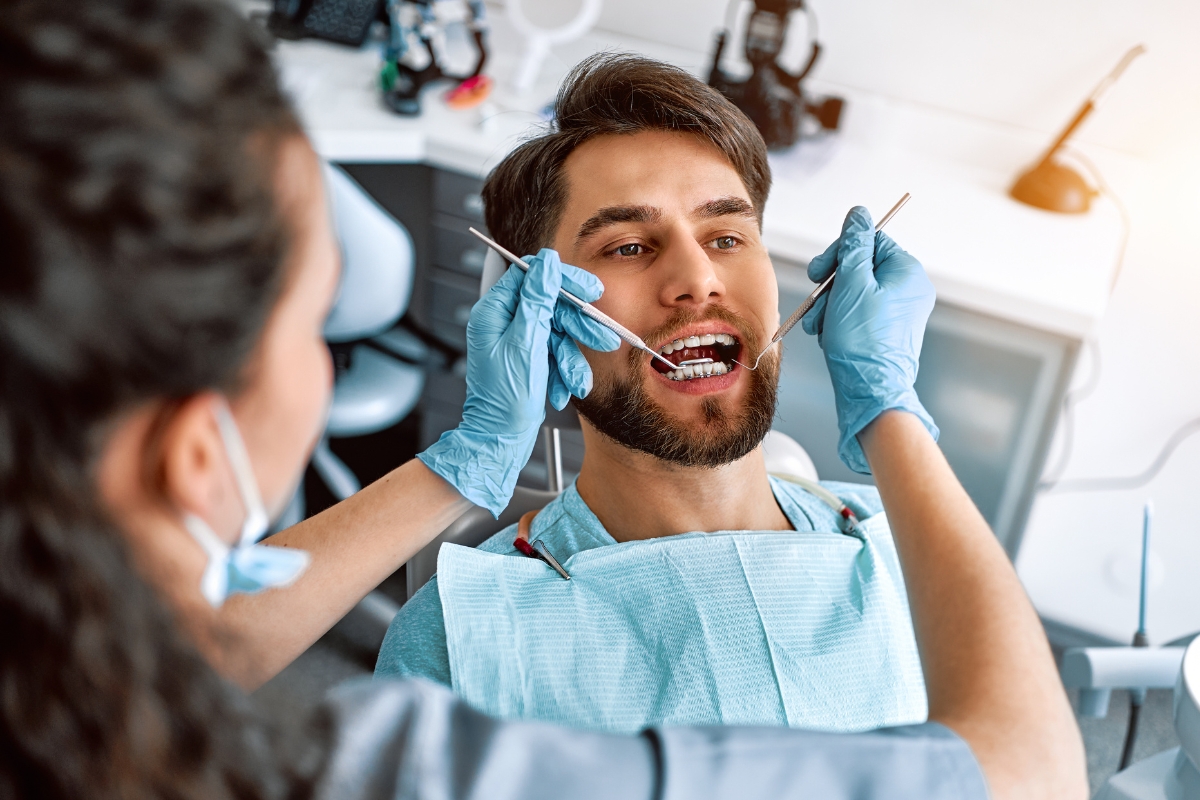


Your tongue, a remarkably versatile organ responsible for speech, taste, and the initiation of digestion can reveal a lot about your health. While most people are accustomed to the occasional soreness or irritation, the presence of dark spots on the tongue can cause concern. This mysterious occurrence can trigger worry and curiosity, as it’s not something we often discuss. But fret not; in this comprehensive guide, we’ll delve into the intriguing world of dark spots on the tongue. We will explore their potential causes, their significance, and when it’s time to seek medical attention. By the end of this journey, you’ll be better equipped to understand and manage this peculiar aspect of oral health.
Understanding The Tongue’s Anatomy
Before we dive into the causes of dark spots on the tongue, let’s begin by understanding the tongue’s anatomy. The tongue is a muscular organ primarily composed of four types of papillae: filiform, fungiform, circumvallate, and foliate—these papillae house taste buds, which are responsible for the sense of taste. The tongue’s colour is usually a healthy pink, but any deviation from this norm can raise questions.
Common Causes Of Dark Spots On The Tongue
Harmless Pigmentation
One of the most common causes of dark spots on the tongue is simply pigmentation. People have varying skin tones, but the same applies to the tongue. Some naturally have darker pigmentation on their tongues, which is entirely benign.
Oral Hygiene
Poor oral hygiene can accumulate bacteria, food particles, and dead cells on the tongue’s surface. This can result in discolouration, appearing as dark spots. Proper oral hygiene practices, such as regular brushing and tongue scraping, can often resolve this issue.
Medication Side Effects
Some medications can cause changes in tongue pigmentation as a side effect. For example, certain antibiotics or antifungal medications may lead to tongue discolouration. It’s essential to consult your healthcare provider if you suspect your medication is the culprit.
Smoking and Tobacco Use
Smoking and chewing tobacco can harm your oral health, including dark spots on the tongue. The chemicals in tobacco products can cause irritation and pigmentation changes. Quitting tobacco use can help improve the condition of your tongue and overall oral health.
Oral Injuries and Irritation
Accidental biting, burns from hot foods, or rough food textures can cause temporary dark spots on the tongue. These injuries usually heal independently, but it’s crucial to be mindful of your eating habits to prevent future incidents.
Fungal Infections
Candida, a type of fungus, can lead to oral thrush. It appears as white patches on the tongue, but if left untreated, it can develop into dark, velvety spots. Maintaining good oral hygiene and treating fungal infections promptly is vital.
Oral Lichen Planus
This chronic inflammatory condition can affect the tongue and other oral tissues. It often manifests as white lines or dark, irregularly shaped spots on the tongue. Diagnosis and management require consultation with a healthcare professional.
Oral Cancer
While it’s essential to avoid jumping to conclusions, dark spots on the tongue can, in rare cases, indicate oral cancer. If you have persistent, unexplained dark spots accompanied by other concerning symptoms like pain, bleeding, or lumps, it’s crucial to consult a healthcare provider for a proper evaluation.
When To Seek Medical Attention
In most cases, dark spots on the tongue are harmless and can be managed with improved oral hygiene or lifestyle changes. However, certain signs should prompt you to seek immediate medical attention:
Persistent Dark Spots: If the dark spots don’t resolve within a reasonable timeframe or if they continue to worsen, consult a healthcare professional.
Pain and Discomfort: Any pain, discomfort, or bleeding associated with the dark spots shouldn’t be ignored. These can be signs of an underlying issue that requires medical evaluation.
Family History of Oral Cancer: If you have a history of oral cancer or other risk factors such as heavy tobacco or alcohol use, it’s wise to be more vigilant and consult a healthcare provider for regular check-ups.
Rapidly Changing Spots: Spots that change quickly in size, shape, or colour should be examined promptly.
Difficulty in Swallowing or Speaking: If the dark spots interfere with your ability to swallow or speak, seek immediate medical attention.
Preventing And Managing Dark Spots On The Tongue
Preventing dark spots on the tongue primarily involves maintaining good oral hygiene and making healthy lifestyle choices:
- Oral Hygiene: Regular brushing of your teeth and tongue and tongue scraping can prevent the buildup of bacteria and debris that can lead to dark spots.
- Avoiding Tobacco: If you smoke or use other tobacco products, consider quitting to improve your oral health and reduce the risk of tongue discolouration.
- Limit Alcohol: Excessive alcohol consumption can contribute to oral health problems. Reducing alcohol intake can benefit both your oral health and overall well-being.
- Healthy Diet: Eating a balanced diet with plenty of fruits and vegetables can promote oral health. Avoid excessively hot or spicy foods that may cause tongue irritation.
- Stay Hydrated: Drinking plenty of water can help maintain your mouth’s natural moisture and balance.
- Regular Dental Check-ups: Make sure to visit your dentist regularly for check-ups and cleanings. They can detect issues early and guide oral care.
Dark spots on the tongue can be a source of concern, but understanding their causes and when to seek medical attention is vital for maintaining oral health. While most cases of dark spots are benign and can be managed with improved oral hygiene, it’s crucial not to dismiss potential warning signs. Remember that your oral health reflects your overall well-being, so taking care of your tongue is a significant step towards a healthier you. If you are troubled by persistent or changing dark spots on your tongue, don’t hesitate to contact a healthcare professional. Your tongue, after all, is more than a speech and taste organ; it’s a mirror reflecting your inner health.