
Have you tried multiple whitening treatments, yet your teeth still seem dull or yellow? If so, you’re not alone. Many people struggle with achieving that perfect, bright smile despite investing in over-the-counter products and at-home remedies. The reality is, teeth whitening isn’t always as straightforward as we hope it to be.
Teeth whitening can be a frustrating process, and there are several reasons why traditional treatments may not work as expected. Whether it’s due to the natural aging process, lifestyle habits, or underlying dental issues, achieving a brighter smile isn’t always as simple as using a whitening toothpaste. That’s where a cosmetic dentist comes in.
In this post, we’ll explore why your teeth might not be whitening as expected and discuss what a cosmetic dentist can do to give you the brighter smile you desire.
Common Reasons Your Teeth Won’t Whiten
There are several factors that can prevent your teeth from achieving the desired level of whiteness. Understanding the root causes of discoloration can help you determine the best approach for brighter teeth. Let’s dive into the most common reasons why teeth whitening may not work as expected.
Intrinsic Stains
Intrinsic stains occur within the tooth, often as a result of aging, medications, or injury. Unlike extrinsic stains that sit on the surface of the teeth, intrinsic stains are absorbed into the enamel and deeper layers of the tooth. These stains are often more difficult to remove and may require more specialized treatments to lighten.
Certain medications, such as tetracycline antibiotics, can cause permanent staining. Additionally, as we age, the enamel on our teeth naturally wears down, exposing more of the yellowish dentin beneath. While some whitening products can address extrinsic stains, they are not always effective against intrinsic stains.
Enamel Thickness and Composition
The thickness and composition of your tooth enamel can also affect how well whitening products work. Enamel is the protective outer layer of your teeth, and its thickness varies from person to person. Some individuals naturally have thinner enamel, making their teeth more susceptible to staining and discoloration.
In cases of thinner enamel, even professional whitening treatments may not produce the same dramatic results as they would for someone with thicker enamel. Additionally, if your enamel is worn down, the underlying dentin may become more visible, causing your teeth to appear darker despite whitening treatments.
Genetics
Genetics plays a significant role in the natural color of your teeth. Just like the color of your eyes or hair, your tooth color is largely determined by your genetic makeup. Some people naturally have whiter teeth, while others may have teeth that are more yellow or gray.
While whitening treatments can help lighten your teeth, they can only do so much if your natural tooth color is darker. In these cases, even professional treatments may only produce limited results, and more advanced procedures like veneers may be necessary to achieve the desired appearance.
Diet and Lifestyle
What you eat and drink plays a major role in the color of your teeth. Foods and beverages like coffee, tea, red wine, berries, and dark sauces can stain your teeth over time. Smoking or using tobacco products can also lead to significant staining and yellowing of the teeth.
While regular brushing and flossing can help minimize the effects of staining foods, they may not be enough to prevent discoloration in the long run. If you’re a regular consumer of stain-causing substances, it might be time to consider professional whitening options that can address deep stains more effectively.
Poor Oral Hygiene
Maintaining good oral hygiene is essential not only for the health of your teeth and gums but also for the appearance of your smile. Plaque and tartar buildup can cause your teeth to appear yellow, dull, or stained. When plaque accumulates, it can contribute to discoloration, especially in areas that are difficult to reach with regular brushing.
Even with the best whitening products, plaque buildup can prevent the whitening solution from effectively reaching the enamel. Regular dental cleanings can help remove tartar and restore a brighter appearance to your teeth, creating the perfect canvas for whitening treatments.
What a Cosmetic Dentist Can Do
If over-the-counter products or at-home remedies aren’t providing the results you want, a cosmetic dentist offers more effective, personalized solutions to brighten your smile. Here’s how a cosmetic dentist in Chicago can help.
Professional Whitening Treatments
Professional whitening treatments, like Zoom Whitening or laser whitening, can deliver faster and more noticeable results than over-the-counter products. These treatments use higher concentrations of whitening agents, which can penetrate the enamel more effectively, targeting deep stains that home products may miss.
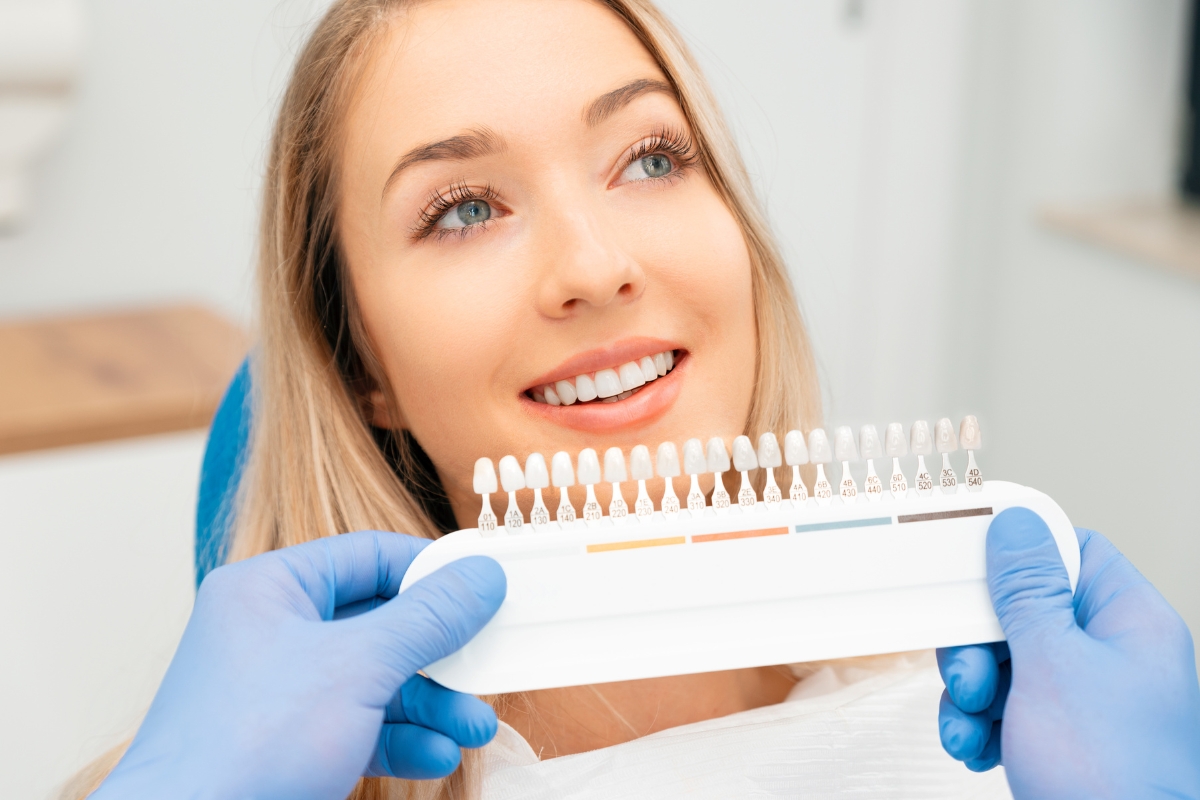
Zoom Whitening, for example, is a popular in-office treatment that uses a special light to enhance the whitening process. Within about an hour, you can see your teeth several shades lighter. A cosmetic dentist can evaluate your teeth to determine which professional treatment will be the most effective for your specific needs.
Customized Treatment Plans
Everyone’s teeth are unique, which is why a cosmetic dentist offers customized whitening plans. Whether your stains are superficial or more deeply ingrained, a cosmetic dentist can create a tailored approach to suit your needs.
Some individuals may benefit from a combination of in-office whitening and take-home whitening trays, while others may need additional treatments like veneers or bonding. A dentist can evaluate the root cause of your discoloration and recommend the best method for achieving the bright smile you desire.
Bonding and Veneers
For patients who cannot achieve the desired whitening results with traditional methods, bonding or veneers might be the solution. Dental bonding involves applying a tooth-colored resin to the surface of the teeth to mask stains or imperfections. Veneers, on the other hand, are thin shells that cover the front of the teeth, providing a more dramatic transformation.
Both bonding and veneers can improve the appearance of your smile if whitening treatments are not yielding the desired results. A cosmetic dentist can help you decide which option is best for your smile.
Addressing Underlying Issues
Sometimes, the reason your teeth won’t whiten is due to underlying dental problems. Cavities, gum disease, or enamel erosion can all interfere with whitening treatments and prevent them from achieving the best results.
A cosmetic dentist can identify and address these issues before beginning any whitening treatment. Whether it’s treating cavities, repairing enamel, or providing a more thorough cleaning, taking care of any underlying concerns can help ensure your whitening treatments are successful.
Long-Term Results
One of the greatest advantages of seeing a cosmetic dentist is the ability to achieve long-lasting results. Unlike at-home products that may only offer temporary whitening, professional treatments performed by a dentist are designed to deliver more permanent results.
With proper aftercare and maintenance, your teeth can stay whiter for longer. A cosmetic dentist will also provide advice on how to maintain your results, including recommending touch-up treatments and helping you maintain good oral hygiene.
The Benefits of Seeing a Cosmetic Dentist for Teeth Whitening
Personalized Care
When you work with a cosmetic dentist in Chicago, you receive personalized care that takes into account your unique smile and whitening goals. Unlike over-the-counter products, a dentist can tailor the treatment to your specific needs, ensuring the best results.
Faster and More Effective Results
In-office treatments, like Zoom Whitening, offer faster and more dramatic results compared to over-the-counter products. You can leave the dentist’s office with noticeably whiter teeth in just one visit, a convenience that at-home treatments simply can’t match.
Safety and Comfort
Whitening treatments performed by a cosmetic dentist are safe and comfortable. The dentist will ensure that the whitening process doesn’t harm your gums or enamel, and they will monitor your progress to ensure the procedure is effective and comfortable.
If your teeth won’t whiten despite trying various treatments, it may be time to consult with a cosmetic dentist. Many factors can affect your whitening results, including intrinsic stains, enamel thickness, and lifestyle habits. Fortunately, a cosmetic dentist can help you address these issues with professional treatments that deliver more effective, long-lasting results.
If you’re ready to achieve the bright, beautiful smile you’ve always wanted, contact Wicker Park Dental Group today to schedule a consultation with our experienced team. Let us help you find the perfect solution for your smile!
People Also Ask
How long does professional teeth whitening last?
Professional whitening treatments can last anywhere from several months to a few years, depending on your lifestyle habits and maintenance.
Is teeth whitening safe for everyone?
While teeth whitening is generally safe, some individuals with sensitive teeth or dental issues may need tailored solutions. A cosmetic dentist can evaluate your suitability.
How can I maintain my teeth after whitening treatments?
Maintain your results by practicing good oral hygiene, avoiding stain-causing foods, and scheduling touch-up treatments with your dentist when needed.
Can teeth whitening damage my enamel?
When performed by a professional, teeth whitening is safe and won’t damage enamel. However, overuse of at-home products can potentially harm enamel.
How often should I get professional whitening treatments?
Most people can benefit from whitening treatments once a year, though frequency may vary based on individual factors like diet and oral hygiene. Your cosmetic dentist can advise you.