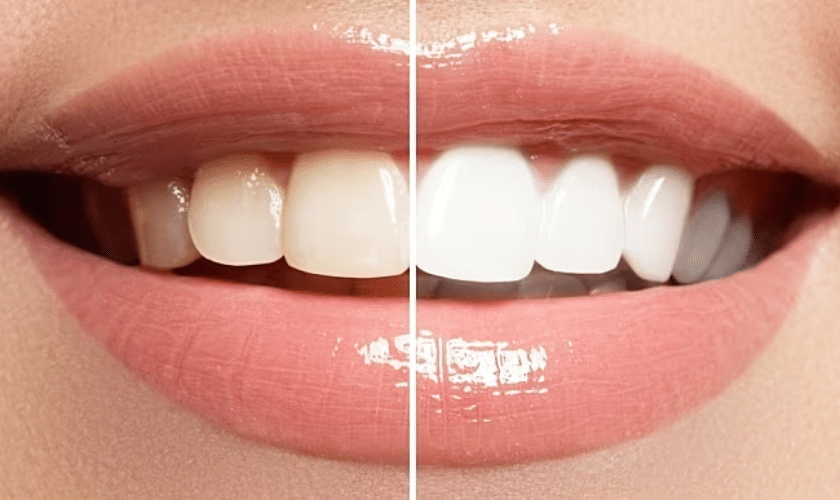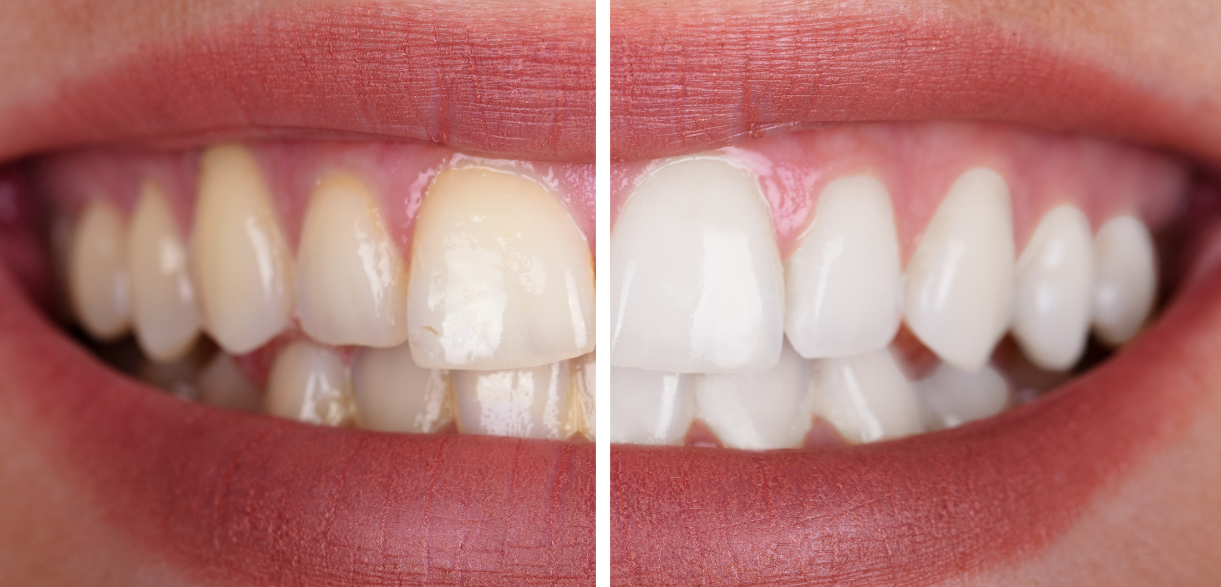

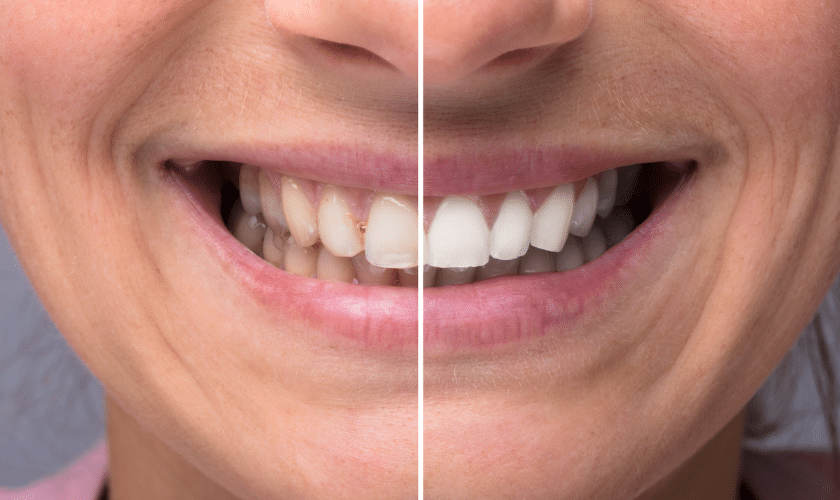
A radiant smile is a universal symbol of confidence and good health. But over time, teeth can become stained from food, drinks, and even smoking, leaving us longing for that pearly white gleam. Thankfully, teeth whitening treatments offer a solution, but the question remains: how often can you safely whiten your teeth?
Understanding Whitening Methods
Before diving into frequency, let’s explore the different whitening methods available:
- In-office whitening: Performed by a dentist, this is a fast and effective option using concentrated bleaching agents. Results are typically seen within one appointment.
- At-home whitening: This includes strips, trays, and gels with lower concentrations of bleaching agents for gradual whitening over several weeks.
- Whitening toothpaste and mouthwash: These contain mild abrasives and chemicals to remove surface stains but don’t offer dramatic whitening.
Frequency Factors: Finding Your Balance
The ideal whitening frequency depends on several factors:
- Whitening method: In-office treatments typically require less frequent touch-ups (every few years) compared to at-home methods (every 3-6 months).
- Desired level of whiteness: If you have slightly yellow teeth, you might need fewer treatments than someone with heavily stained teeth.
- Sensitivity: Whitening can cause temporary tooth sensitivity. Listen to your body and adjust frequency accordingly.
- Lifestyle habits: Smoking, coffee, red wine, and dark berries can stain teeth faster, necessitating more frequent whitening.
- Oral health: Consult your dentist to ensure your teeth and gums are healthy enough for whitening.
General Guidelines: Striking the Right Chord
Here’s a general roadmap for safe and effective whitening:
- In-office whitening: Discuss with your dentist. Follow their recommendations for touch-ups, usually every 1-3 years.
- At-home whitening: Most products recommend use for 1-2 weeks, followed by a break. Consult your dentist for a personalized plan and frequency.
- Whitening toothpaste and mouthwash: Use daily as part of your oral hygiene routine, but don’t expect dramatic whitening.
Maintaining Your Bright Smile: Beyond Whitening
Whitening is just one step in a whiter, healthier smile journey. Here are some additional tips:
- Brushing twice daily and flossing once daily removes plaque and prevents staining.
- Drinking water after consuming staining foods and beverages helps rinse away colorants.
- Regular dental cleanings remove built-up stains and ensure overall oral health.
- Limiting staining foods and beverages like coffee, red wine, and dark berries helps prevent future stains.
- Quitting smoking significantly improves tooth color and overall health.
When to Consult Your Dentist
If you experience any discomfort like prolonged sensitivity, gum irritation, or uneven whitening, stop using the product and see your dentist. They can advise on alternative treatments or identify underlying oral health issues.
Remember: A whiter smile is a healthy smile. By following these tips and consulting your dentist, you can achieve a radiant grin that lasts.
Beyond the Basics: Exploring Alternatives
While whitening treatments are popular, some people explore natural alternatives. While research is ongoing, some methods show promise:
- Brushing with baking soda and hydrogen peroxide (weak solution): This can provide mild whitening but use sparingly to avoid enamel erosion.
- Oil pulling: Swishing with coconut oil may remove surface stains, but more research is needed.
The Final Brushstroke: A Smile with Confidence
A bright smile can boost your confidence and make a positive impression. By understanding teeth whitening methods, frequency, and oral hygiene practices, you can achieve a healthy, radiant smile that shines brightly. Remember, consult your dentist for personalized advice and maintain a good oral hygiene routine to keep your smile sparkling. After all, a confident smile is a powerful accessory you can wear every day!