
Are you one of those people who have undergone a dental procedure to get crowns and bridges? If so, congratulations! You’ve made a wise decision in improving your oral health. Crowns and bridges are essential for restoring the appearance and function of damaged or missing teeth. However, just like any other investment, they require proper care for long-lasting results. In this blog post, we’ll guide you on how to care for your crowns and bridges properly. From cleaning them to maintaining their condition, we’ve got everything covered. So let’s dive right in!
Crowns and Bridges: A Brief History
- Crowns and bridges have been around for a long time, with evidence of their use dating back to ancient times. In the past, people used gold or ivory for crowns and bridges. These materials were popular because they were durable and didn’t corrode easily.
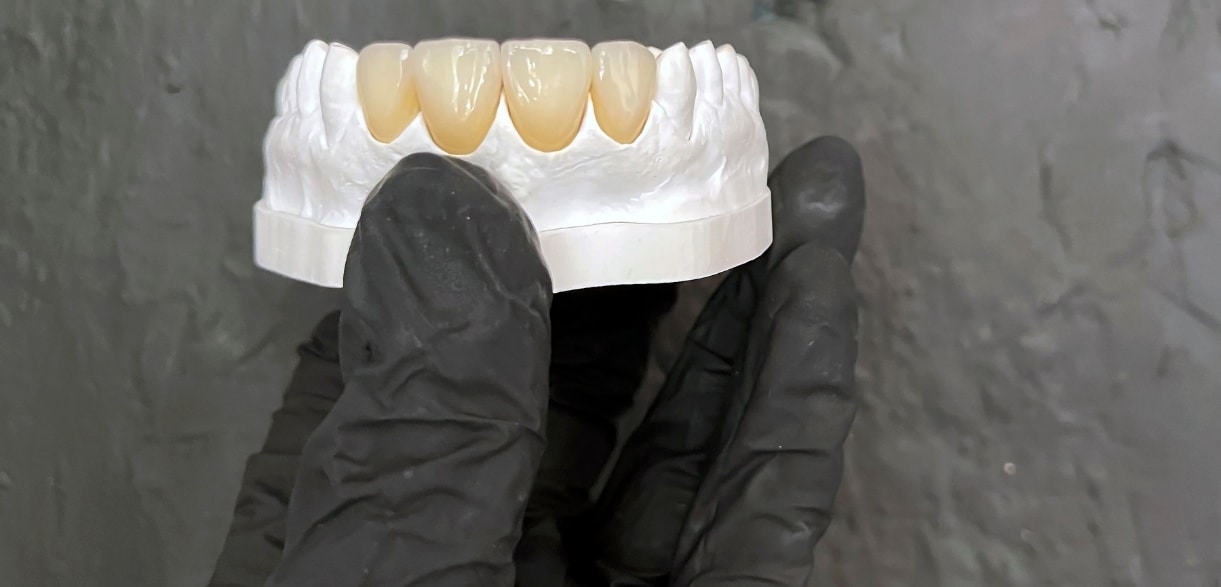
- As dentistry evolved over time, new materials such as porcelain fused to metal (PFM) became more common. PFM crowns are made by fusing a layer of porcelain onto a metal base. They’re known for their strength and natural-looking appearance.
- Nowadays, crowns and bridges are made using different types of dental ceramics that mimic the look of natural teeth while providing excellent durability. Zirconia is one such material that has gained popularity in recent years due to its strength and biocompatibility.
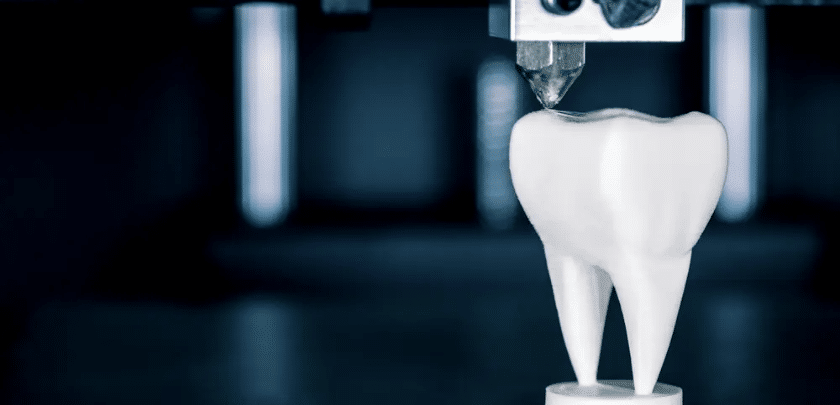
- The evolution of technology has also played an essential role in improving the design process for crowns and bridges. Computer-aided design (CAD) software allows dentists to create precise models of patients’ teeth, making it easier than ever before to customize prosthetics accurately.
- While the materials may have changed over time, the importance of dental restorations like crowns and bridges remains constant: they help improve oral health by restoring damaged or missing teeth!
Types of Crowns and Bridges
- When it comes to crowns and bridges, there are several types available depending on your specific needs. One of the most common materials used for crowns is porcelain because of its durability and natural-looking finish.
- Another type of crown is made out of metal, typically gold or silver. While they are extremely durable, they may not be the best option for front teeth due to their appearance.
- For those who are concerned about aesthetics, ceramic or zirconia crowns offer a more natural look. These materials can also be layered over a metal base for added strength.
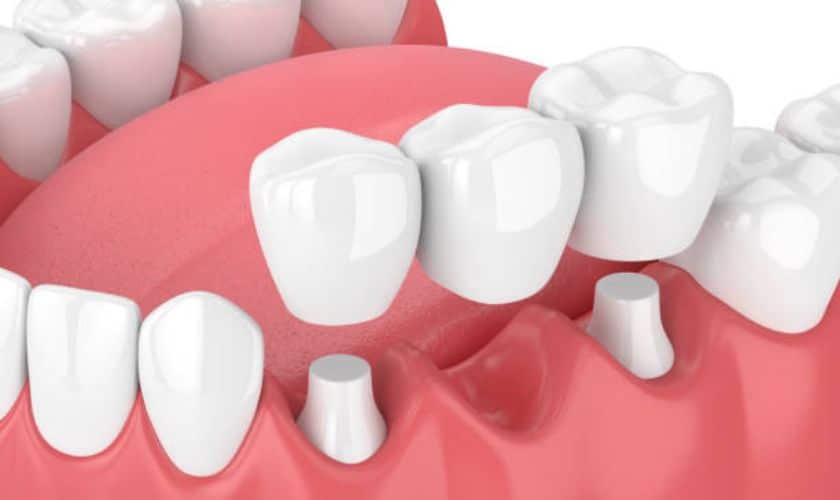
- Bridges also come in different types including traditional bridges that involve placing a false tooth between two caps placed on adjacent teeth. Maryland bridges use a framework bonded to the back of adjacent teeth while cantilever bridges only require one neighboring tooth for support.
- Ultimately, the type of crown or bridge you choose will depend on various factors such as location within your mouth and personal preference. It’s important to discuss all options with your dentist before making a decision.
How to Care for Crowns and Bridges
- Crowns and bridges are common dental restorations used to repair damaged or missing teeth. These treatments can help restore your smile and improve your oral health, but they require proper care to last a long time.
- One of the key ways to care for your crowns and bridges is by practising good oral hygiene habits. This includes brushing twice daily with fluoride toothpaste, flossing at least once a day, and using an antiseptic mouthwash regularly.
- It’s also important to avoid biting down on hard objects like ice or hard candy, as this can damage the restoration. If you grind your teeth at night, talk to your dentist about getting a custom-fitted mouthguard to protect both your natural teeth and any dental restorations.
- Regular dental checkups are also essential for maintaining the health of your crowns and bridges. During these appointments, the dentist can examine your restoration for any signs of wear or damage that may need repairs.
- If you experience any pain or discomfort around the crown or bridge area, schedule an appointment with your dentist right away. Early intervention can prevent further damage from occurring and ensure that you get prompt treatment when needed.
How to Clean and Store Crowns and Bridges
- Proper cleaning and storage of crowns and bridges is crucial to ensure their longevity. Regular cleaning can prevent plaque buildup, which can lead to decay or gum disease.
- To clean your crowns and bridges, use a soft-bristled toothbrush with non-abrasive toothpaste. Avoid using harsh chemicals or abrasive materials, as they may damage the surface of your dental work. Additionally, refrain from biting down on hard foods or objects that could potentially chip or break your crown or bridge.
- After cleaning your crowns and bridges thoroughly, make sure to rinse them well under running water. You can also soak them in a denture cleaner solution for added cleanliness. However, be sure not to leave them in the solution for too long as it may cause discolouration over time.
- When storing your crowns and bridges overnight or during travel, always keep them in a protective case to avoid potential damage. Be careful not to misplace or accidentally throw away the case either.
- By following these simple steps for proper care and maintenance of your dental work, you will be able to enjoy its benefits for years to come without any issues!
Tips for Proper Crowns and Bridges Wear
- Proper wear of crowns and bridges is crucial for their longevity. Here are some tips to ensure that your dental restorations last as long as possible.
- Firstly, avoid biting down on hard objects such as ice, hard candies or pens. Doing so can damage the crown or bridge and even cause it to detach from its underlying tooth.
- Secondly, try not to grind your teeth at night by using a mouthguard. Grinding puts extra pressure on the restoration which can lead to cracks and chips over time.
- Thirdly, maintain good oral hygiene habits including brushing twice daily with fluoride toothpaste and flossing once a day. This will help prevent decay at the margins where the crown or bridge meets your natural tooth.
- Fourthly, avoid eating sticky foods like caramel or taffy which can pull off your restoration when you chew them.
- Make sure you attend regular check-ups with your dentist so they can assess the condition of your crown or bridge and identify any potential issues early on before they become more serious problems.
How to Maintain Crowns and Bridges
By following the steps outlined in this article, you can ensure that your crowns and bridges will last for many years to come. Remember to brush and floss regularly, avoid hard or sticky foods, wear a mouthguard when necessary, and visit your dentist for regular check-ups. With proper care and maintenance, your crowns and bridges will continue to provide you with a beautiful smile that you can be proud of!