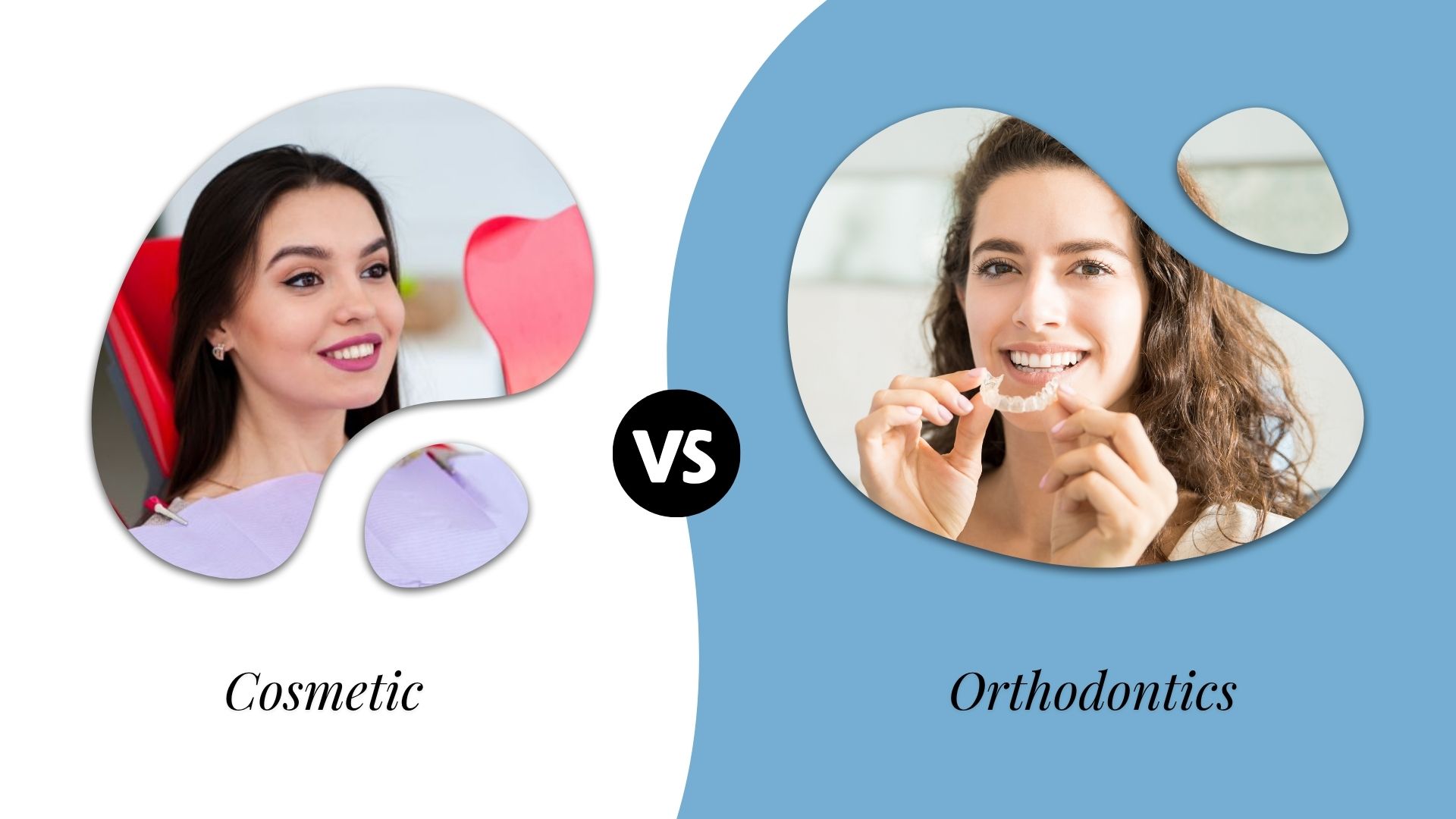

Quick Summary:
This blog explains the real differences between Invisalign and traditional braces, including how they work, what daily life feels like with each option, and what kind of results you can expect. It also covers comfort, appearance, maintenance, and how your lifestyle in a busy city like Chicago can influence your choice. If you are trying to decide which option fits you better, this guide will help you make a clear and practical decision.
Straightening your teeth is not just about looks. It also helps improve how you bite, speak, and keep your teeth clean. Over time, untreated alignment issues can lead to uneven wear, jaw discomfort, and difficulty maintaining oral hygiene.
Today, patients have more than one option. Traditional braces have been around for years, while Invisalign offers a newer approach that fits into modern lifestyles more easily.
What Are Traditional Braces?
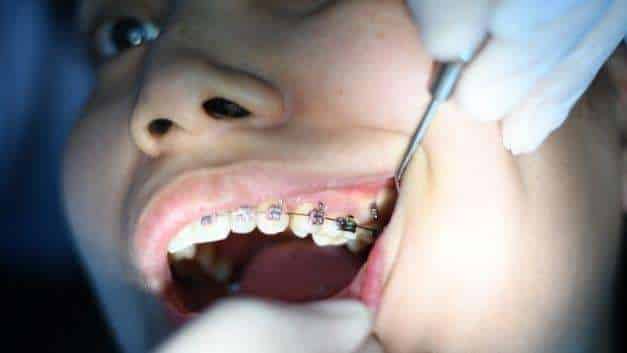
Braces use metal brackets and wires that are fixed to your teeth. Over time, they apply steady pressure to move teeth into the right position.
They are known for handling complex alignment issues. Because they are fixed, they work continuously without needing patient involvement beyond basic care.
For many people, braces are still a reliable choice, especially when significant correction is needed.
What Is Invisalign and Why So Many Patients Prefer It
Invisalign uses a series of clear, removable aligners that gradually move your teeth. Each set is worn for about one to two weeks before switching to the next.
One reason Invisalign stands out is how subtle it looks. The aligners are clear, so most people will not notice you are wearing them. This is especially helpful for adults and working professionals who want a more natural appearance during treatment.
In a city like Chicago, where people are often attending meetings, social events, or dining out, this can make a big difference in daily confidence.
Appearance and Confidence During Treatment
One of the biggest differences between Invisalign and braces is how they look.
Braces are visible. While some people are comfortable with that, others may feel self-conscious, especially in professional or social settings.
Invisalign aligners are clear and fit closely to your teeth. This allows you to smile, speak, and interact without drawing attention to your treatment. Many patients say this makes them feel more confident throughout the process.
Comfort and Daily Experience
Braces can sometimes cause irritation, especially when wires or brackets rub against the inside of your mouth. Adjustments may also lead to temporary discomfort.
Invisalign aligners are smooth and custom-made. While you may feel slight pressure when switching to a new set, there are no wires or sharp edges.
Another key difference is flexibility. Invisalign aligners can be removed when eating, brushing, or for special occasions. Braces, on the other hand, stay in place at all times.
Went in today for Invisalign consultation and had a great experience! The doctor explained all my options to me clearly and came up with a good treatment program for me to get the results I was looking for. Dental assistant Courtney was a blast to be around and I look forward to working with this dental group in the future! – H Hippo
If you are unsure, you can take some time to read our real patient reviews on Google and understand what others say about our services.
Eating Habits and Lifestyle
With braces, certain foods need to be avoided. Sticky, hard, or crunchy foods can damage brackets or wires. This can feel limiting, especially when you are out enjoying food with friends or family.
Invisalign gives you more freedom. Since the aligners are removable, you can eat your usual meals without restriction. You just need to take them out before eating and put them back in after cleaning your teeth.
For people in Chicago who enjoy trying different foods across neighborhoods, this flexibility fits naturally into daily life.
Oral Hygiene and Maintenance
Keeping your teeth clean with braces can take more effort. Food can get stuck around brackets and wires, making brushing and flossing more time-consuming.
With Invisalign, you remove the aligners before brushing and flossing. This allows you to clean your teeth as you normally would. However, it also requires discipline. You need to wear the aligners for the recommended 20 to 22 hours a day for them to work properly.
Treatment Time and Effectiveness
Both Invisalign and braces are effective, but the timeline depends on your specific case.
Braces are often recommended for more complex issues, such as severe crowding or bite problems.
Invisalign works well for mild to moderate alignment concerns. With consistent wear, many patients see results in a similar timeframe to braces.
In the middle of your decision process, many patients who want a more flexible and less noticeable option choose Invisalign treatment because it fits better with their daily routine while still delivering noticeable results.
Cost and Long-Term Value
The cost of Invisalign and braces can be similar, depending on the complexity of your case. What matters more is the value you get from the treatment.
Think about your comfort, your daily routine, and how committed you are to following instructions. Invisalign requires responsibility, while braces work continuously without needing to be removed or managed.
What Many Patients Don’t Realize
One thing people often overlook is how lifestyle affects treatment success.
With Invisalign, your results depend on how consistently you wear the aligners. Skipping hours can delay progress.
With braces, while you do not have to worry about wearing them, you still need to be careful with food and hygiene.
Another important point is follow-up care. Retainers are usually needed after both treatments to maintain results. This step is just as important as the treatment itself.
A Local Option to Consider
If you are exploring ways to straighten your teeth and want a solution that fits into your daily routine, Wicker Park Dental Group offers options for patients in Chicago who are considering Invisalign as a more flexible and discreet orthodontic choice.
Final Thoughts
Choosing between Invisalign and braces depends on your needs, lifestyle, and comfort level.
If you want a treatment that blends into your daily life, offers flexibility, and keeps your appearance natural, Invisalign is often the preferred option. If your case is more complex or you prefer a fixed solution, braces may be more suitable.
The right choice is the one that helps you stay consistent and confident throughout the process. Taking the time to understand your options can make your journey to a better smile much smoother.
FAQs: Invisalign vs Braces
How do I know if Invisalign is right for me?
It depends on your alignment needs and how consistently you can wear the aligners.
Can Invisalign fix all teeth problems?
It works well for many cases, but severe issues may still need braces.
How long do I need to wear Invisalign each day?
Usually 20 to 22 hours daily for effective results.
Is Invisalign more comfortable than braces?
Most patients find it more comfortable because there are no wires or brackets.
Can I switch from braces to Invisalign later?
In some cases, yes. Your dentist can guide you based on your progress.