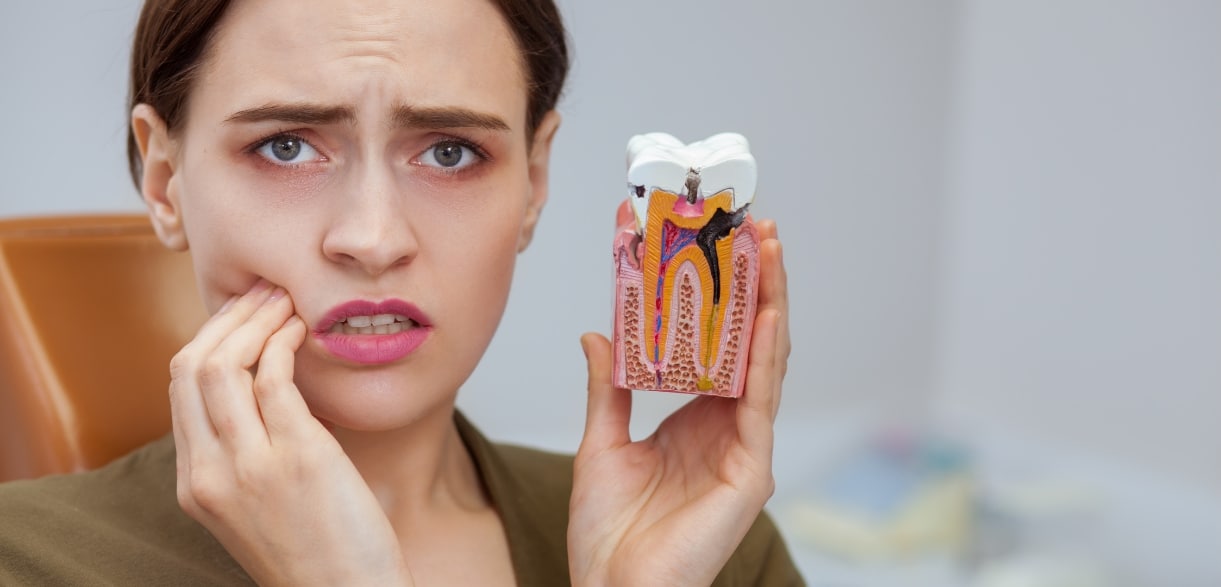

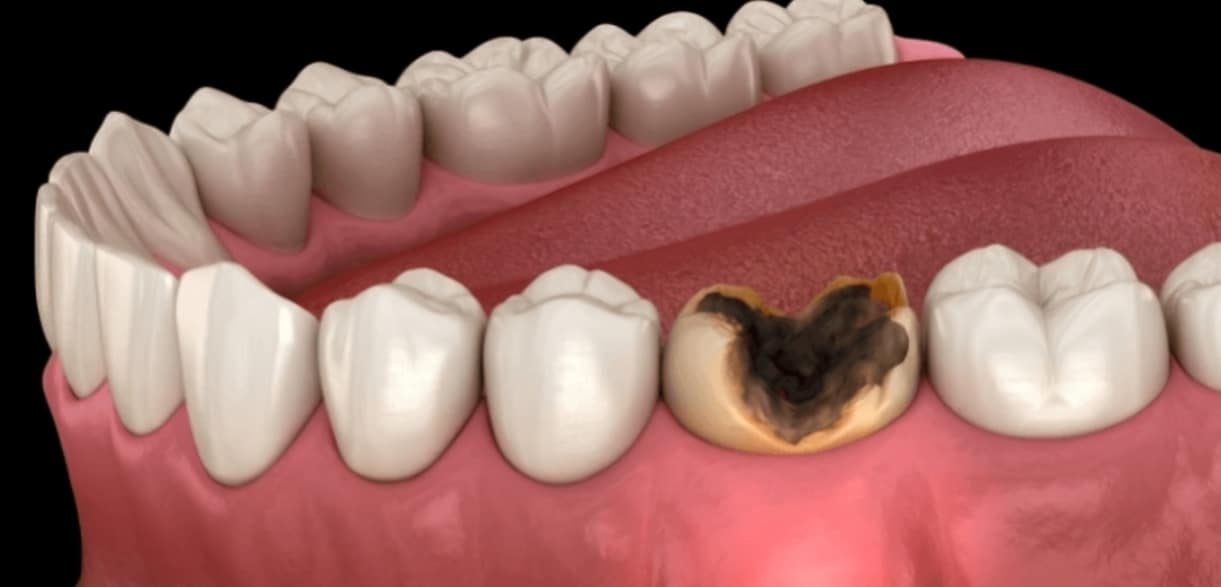
A black tooth can be alarming and may leave you wondering, is a black tooth an emergency? Discoloration often signals an underlying issue that may need attention. While not every case requires immediate care, it’s essential to understand the causes and potential risks. Acting quickly when necessary can prevent further complications. This guide explains why a tooth may turn black, what symptoms to watch for, and the treatment options available to restore your dental health.
What Causes a Tooth to Turn Black?
A black tooth can result from various factors, ranging from surface stains to severe dental problems. Common causes include:
- Tooth Decay: When cavities progress deep into the tooth, they can affect the pulp and darken its appearance.
- Trauma: Injury to the tooth can damage blood vessels, causing the tooth to discolor over time.
- Dead Tooth Nerve: A dead or dying nerve inside the tooth is a common cause of a blackened appearance.
- Tartar Buildup: Hardened plaque can form dark deposits on the tooth surface, especially near the gumline.
- Medications and Staining Foods: Long-term use of certain antibiotics or regular consumption of dark-colored foods and drinks can stain teeth.
Each cause varies in severity, but determining the underlying issue is crucial for deciding whether emergency care is needed.
Is A Black Tooth An Emergency?
Many people ask, is a black tooth an emergency? The answer depends on the symptoms and the cause. Some situations require immediate care, while others can wait for a regular dental appointment.
Signs You Need Immediate Care
- Severe Pain: Constant or throbbing pain suggests infection or deep decay.
- Swelling: Swollen gums, face, or jaw indicate a potential abscess that needs urgent treatment.
- Looseness or Mobility: A black tooth that feels wobbly may indicate advanced damage.
- Signs of Infection: Symptoms like pus, a bad taste in the mouth, or fever point to a serious issue requiring prompt attention.
When Can It Wait?
- No Pain: If the tooth is discolored but pain-free, it may not require immediate care.
- Surface Stains: When discoloration is due to external factors like tartar or diet, it may not be urgent.
- Stable Tooth: A black tooth that isn’t loose or accompanied by swelling may not need emergency treatment.
If unsure, consult an emergency dentist to evaluate the situation and recommend the right course of action.
What Happens If You Ignore a Black Tooth?
Ignoring a black tooth can lead to serious complications. Over time, the condition often worsens, causing additional problems such as:
- Infection Spread: Untreated decay or a dead tooth can allow bacteria to enter the gums, leading to abscesses or systemic infections.
- Tooth Loss: Severe decay or infection may result in the tooth falling out or needing extraction.
- Bone Loss: Prolonged infection can damage the surrounding jawbone.
- Chronic Discomfort: Pain and sensitivity often worsen without treatment.
Prompt attention can help you avoid these risks and preserve your dental health.
Treatment Options for a Black Tooth
The treatment for a black tooth depends on its cause and severity. Common solutions include:
- Professional Cleaning: Surface stains caused by tartar or external factors can be removed during a dental cleaning.
- Fillings or Crowns: For minor to moderate decay, fillings or crowns can restore the tooth’s structure and appearance.
- Root Canal Therapy: If the tooth’s nerve is dead or infected, a root canal can remove damaged tissue and save the tooth.
- Tooth Extraction: Severely damaged teeth that cannot be restored may need removal.
- Teeth Whitening: Discoloration from external staining can often be corrected with whitening treatments.
Your dentist will evaluate the tooth and recommend the best course of action for your situation.
Preventing Black Teeth
Preventing black teeth is easier than treating them. Simple habits can protect your teeth and maintain their natural color:
- Brush twice daily with fluoride toothpaste to prevent decay and staining.
- Floss daily to remove plaque from between teeth.
- Limit sugary foods and drinks that encourage cavities.
- Avoid tobacco, which can stain and damage teeth.
- Wear a mouthguard during contact sports to prevent trauma.
- Schedule regular dental checkups and cleanings to catch problems early.
Adopting these practices helps protect your teeth from discoloration and keeps your smile healthy.
When Should You Be Concerned About a Black Tooth?
It’s natural to feel worried when you notice a black tooth. If you’re wondering is a black tooth an emergency?, pay attention to symptoms like pain, swelling, or signs of infection. While not all cases are urgent, ignoring the problem could lead to bigger issues. Seeking timely care ensures that your dental health remains intact and prevents avoidable complications. Always consult a dentist to determine the cause and the best way forward.