

Quick Summary:
This blog explains what a swollen jaw means and why it happens. It helps you understand the difference between a minor issue and a serious dental emergency. You will learn the common causes, warning signs you should not ignore, what you can do at home for short-term relief, and how dentists treat the problem. It also includes practical insights for people living in Chicago, where busy routines often delay care, and explains when it is important to act quickly.
A swollen jaw can feel uncomfortable at first, but it can quickly become something that affects your whole day. Eating, talking, or even opening your mouth may feel difficult. Many people in Chicago notice this after ignoring a mild toothache, dealing with long work hours, or putting off a dental visit.
It is easy to assume the swelling will go away on its own. But in many cases, it is a sign that your body is dealing with an infection or inflammation that needs attention.
Knowing when to wait and when to act can make a big difference in protecting your oral health.
What Does a Swollen Jaw Usually Mean
Jaw swelling is often your body’s response to irritation or infection. It can happen suddenly or develop slowly over a few days.
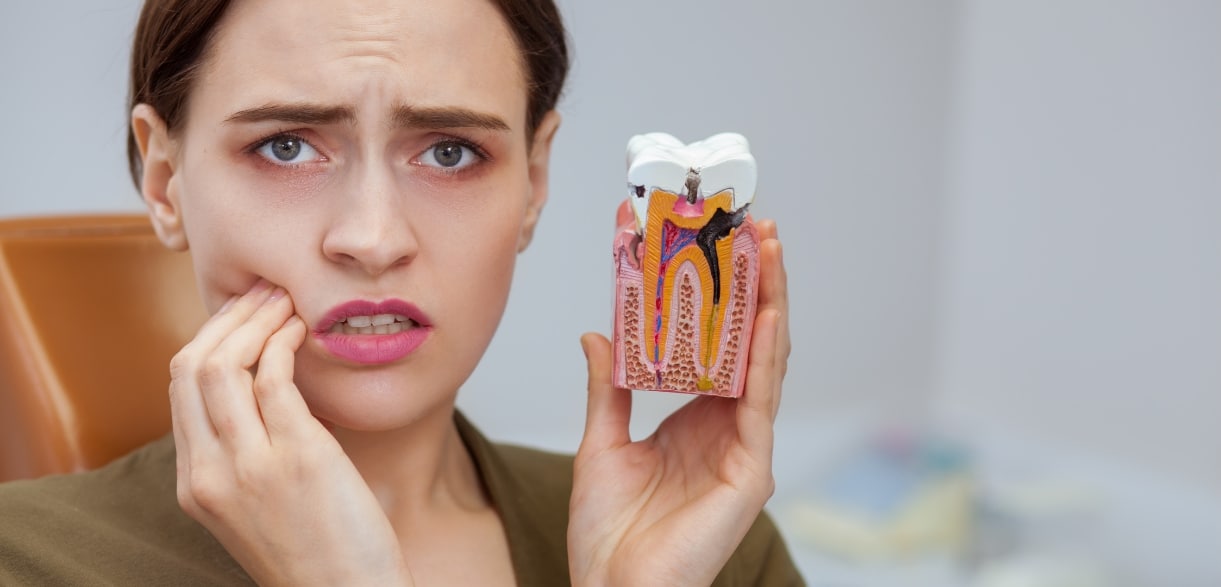
The most common cause is a dental infection. When bacteria enter through a cavity, cracked tooth, or gum pocket, they can spread inside the tooth and into the surrounding tissue. This may lead to an abscess, which causes swelling and pain.
Other possible causes include gum disease, impacted wisdom teeth, or even sinus pressure that affects the jaw area. Sometimes, trauma like biting something hard or an injury can also lead to swelling.
In many cases, the swelling you see on the outside reflects a deeper issue that cannot be solved without proper care.
Signs That Your Swollen Jaw Is a Dental Emergency
Not every swollen jaw needs urgent treatment, but certain symptoms are clear warning signs.
If the swelling is getting worse instead of better, it is time to take it seriously. Pain that spreads to your ear, neck, or head can also indicate a deeper problem.
You should not wait if you notice difficulty opening your mouth or chewing. Swelling that affects breathing or swallowing is especially serious and needs immediate attention.
Fever, a bad taste in your mouth, or pus are also signs of infection. In such cases, it is important to receive emergency dental care rather than waiting for a routine appointment.
Situations That May Not Be Urgent but Still Need Attention
Some jaw swelling may start as a mild issue. For example, you may feel slight swelling after a dental procedure or irritation from food stuck between teeth.
These cases may improve with basic care at home, but they should not be ignored for long. If the swelling does not reduce within a short time or begins to feel painful, it is better to get it checked.
Small problems can turn into bigger ones if left untreated.
What You Can Do at Home Before Seeing a Dentist
If you cannot see a dentist right away, there are a few simple steps that may help manage the situation temporarily.
Rinsing your mouth with warm salt water can help clean the area and reduce irritation. A cold compress on your cheek can help control swelling and provide some relief.
Avoid chewing on the affected side and stay away from very hot, cold, or hard foods. Keeping yourself hydrated also helps your body respond better.
These steps can ease discomfort, but they do not treat the root cause. If the swelling is due to infection, professional care is still needed.
How Dentists Treat a Swollen Jaw
Treatment depends on what is causing the swelling.
If there is an infection, the dentist may need to drain the abscess and remove the source of bacteria. This could involve a root canal if the tooth can be saved, or extraction if the damage is severe.
In some cases, antibiotics are prescribed to control the infection and prevent it from spreading.
If gum disease is the cause, deep cleaning and gum care are used to restore oral health. For impacted wisdom teeth, removal may be recommended to prevent repeated swelling.
The main goal is not just to reduce swelling but to stop the problem from coming back.
Why Delaying Treatment Can Make Things Worse
One of the biggest mistakes people make is waiting too long. In a busy city like Chicago, it is common to delay care because of work, traffic, or daily responsibilities.
But dental infections do not go away on their own. They can spread to nearby areas and lead to more serious health concerns.
What starts as mild swelling can turn into severe pain, facial swelling, or difficulty breathing. Early treatment is always easier and more comfortable than dealing with a bigger issue later.
I don’t go to the dentist as often as I should due to the anxiety it gives me, but I lost a crown and had to go in as an emergency. Wicker Park Dental Group was able to get me in quickly and come up with a care plan. I ended up having to get teeth removed which is a huge fear of mine but they were kind, compassionate, professional, and made the experience a lot less scary than I expected. I highly recommend them and will be continuing to receive dental care here. – B Argento
You can always check our real patient reviews on Google to get a clear idea of the care and service we provide.
How to Lower Your Risk of Jaw Swelling
Preventing jaw swelling starts with simple daily habits.
Regular brushing and flossing help reduce bacteria that cause infections. Paying attention to early signs like tooth sensitivity or gum irritation can help you act before the problem worsens.
Routine dental visits also play an important role. They help detect small issues early and keep your oral health on track.
Avoiding excessive sugary and acidic foods can also protect your teeth from damage that may lead to infection.
A Local Option for Immediate Care
If you are dealing with jaw swelling or sudden dental pain, getting timely care can make a big difference in how quickly the problem is controlled. Wicker Park Dental Group provides emergency dental care for patients in Chicago who need attention without long delays.
Our team understands that dental emergencies do not always happen during convenient hours. Whether it is a sudden infection, swelling, or severe discomfort, we focus on identifying the cause quickly and helping you feel relief as soon as possible. From managing infections and abscesses to treating damaged teeth, the goal is to stop the problem at its source, not just reduce the symptoms.
Patients are also guided through what is happening and what steps are needed next, so they are not left confused during an already stressful situation. This approach helps people feel more at ease, especially when dealing with unexpected dental issues.
For residents in Chicago, having access to a dental office that responds promptly and handles urgent concerns with care can make it easier to take action without hesitation.
Final Thoughts
A swollen jaw is often a sign that something deeper is going on. While some cases may seem mild at first, they can quickly become serious if ignored.
Understanding the warning signs and acting early can protect your health and prevent unnecessary pain. If you are unsure, it is always better to get it checked rather than wait.
Taking the right step at the right time can make all the difference.
FAQs
How do I know if my swollen jaw is serious?
If there is pain, fever, or difficulty opening your mouth, it needs urgent care.
Can a tooth infection cause jaw swelling?
Yes, it is one of the most common reasons for swelling.
What should I do if my jaw swells suddenly?
Rinse with warm salt water and contact a dentist as soon as possible.
How long should I wait before seeing a dentist?
If swelling lasts more than a day or gets worse, do not wait.
Can jaw swelling go away without treatment?
Mild cases might improve, but infections usually need professional care.