

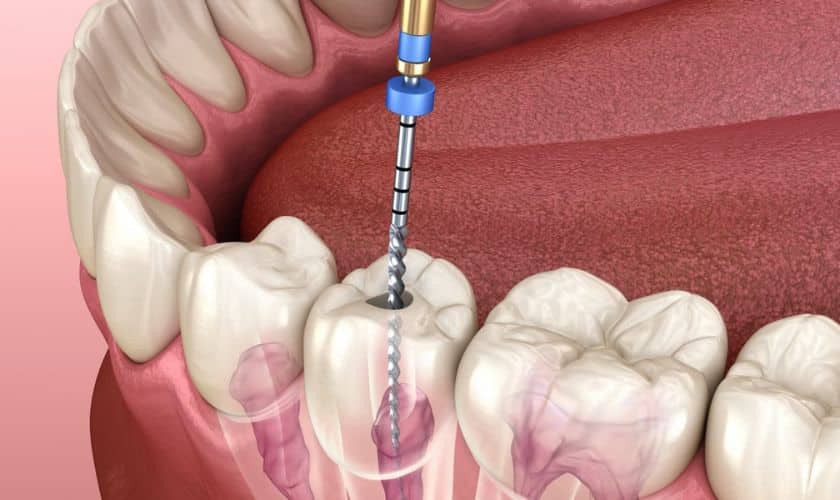
Welcome to “Root Canal Revival: Saving Smiles with Precision Treatment.” This guide delves into root canal treatment, an essential dental procedure that can rescue and rejuvenate your smile. Root canal therapy is a highly effective and precise procedure to save damaged or infected teeth. It involves removing the infected pulp, cleaning and disinfecting the root canal, and sealing it to prevent further infection. Join us as we explore the benefits, myths, and advancements in root canal treatment, empowering you to make informed decisions about your dental health. Get ready to revive your smile and embrace the transformative power of root canal therapy.
What is Root Canal Treatment?
- Root canal or endodontic treatment is a dental procedure performed to save a severely decayed, infected, or damaged tooth. It involves removing the infected or inflamed dental pulp, which is the soft tissue in the tooth’s centre. The pulp contains nerves, blood vessels, and connective tissue.
- During the procedure, the dentist carefully cleans and disinfects the root canals, the small passages inside the tooth roots. Afterwards, the canals are filled with a biocompatible gutta-percha material to seal them and prevent further infection.
- Root canal treatment aims to eliminate pain, prevent the spread of infection, and save the natural tooth from extraction. It is typically performed under local anaesthesia to ensure patient comfort. Once the root canal treatment is completed, a dental crown or filling is placed on the tooth to restore its strength and functionality.
- Root canal treatment is highly successful and can provide long-term relief, allowing patients to retain their natural teeth and maintain a healthy smile.
Types of Root Canal Treatment
1. Conventional Root Canal Treatment: This is the standard method of root canal treatment, where the infected or damaged dental pulp is removed, and the root canals are cleaned, disinfected, and filled with gutta-percha.
2. Single-Visit Root Canal Treatment: A single-visit root canal treatment may be possible in certain cases. This approach aims to complete the entire procedure in a single appointment, reducing the need for multiple visits and saving time for the patient.
3. Pediatric Root Canal Treatment: Root canal treatment can also be performed on primary (baby) teeth. This procedure, known as pulpotomy or pulpectomy, involves removing the infected pulp from the affected baby tooth to relieve pain and prevent further complications.
4. Retreatments: A previously treated tooth may develop new issues or infections. In such instances, a retreatment may be necessary. It involves reopening the tooth, removing the existing filling materials, cleaning the canals, and re-filling them to address the problem.
5. Endodontic Surgery: Endodontic surgery may be performed in certain complex cases where conventional root canal treatment is insufficient. It includes procedures such as apicoectomy (removal of the infected tip of the tooth root) or root-end resection to address persistent infections or complications.
Who is a qualified candidate for Root Canal Treatment?
1. Patients with Severe Tooth Decay: Individuals with deep cavities or extensive tooth decay that has reached the inner pulp may require root canal treatment to save the tooth.
2. Those with Infected Teeth: Root canal treatment is often recommended for teeth infected due to bacteria reaching the pulp, leading to symptoms such as severe pain, swelling, or abscess formation.
3. Individuals with Dental Trauma: Teeth that have experienced trauma, such as fractures or cracks, may require root canal treatment to address damage to the pulp and prevent further complications.
4. Patients with Persistent Tooth Sensitivity: If a tooth is highly sensitive to hot or cold temperatures and the sensitivity lingers even after the stimulus is removed, it may indicate the need for root canal treatment.
5. Those with Deep Dental Fillings: Teeth with deep dental fillings close to the pulp may require root canal treatment if the pulp becomes irritated or infected.
In conclusion, root canal treatment is a highly effective dental procedure that can save damaged or infected teeth, alleviate pain, and restore oral health. By removing the infected pulp, cleaning the canals, and sealing the tooth, root canal treatment enables patients to retain their natural teeth and enjoy a healthier, pain-free smile for years.
FAQs
1. Is root canal treatment painful?
No, root canal treatment is performed under local anesthesia, ensuring the procedure is virtually painless. After the treatment, any discomfort can be managed with over-the-counter pain relievers.
2. How long does a root canal procedure take?
The duration of a root canal treatment can vary depending on the case’s complexity. Generally, it can be completed in one to three visits, with each appointment lasting around 60-90 minutes.
3. Will I need a dental crown after a root canal?
In most cases, a dental crown is recommended after a root canal to provide protection and restore the strength and functionality of the treated tooth. The crown helps prevent further damage or fractures.
4. Are there any risks or side effects associated with root canal treatment?
Root canal treatment is a safe procedure with minimal risks. However, some patients may experience temporary sensitivity, mild discomfort, or swelling, which can be managed with proper post-treatment care and medications.
5. Can a tooth that has undergone root canal treatment get reinfected?
While rare, a tooth with a root canal can get reinfected. It can occur if there is a new infection, cracks in the tooth, or inadequate sealing of the canals. Regular dental check-ups and proper oral hygiene can help prevent reinfection.