

Dental crowns are an important and versatile restorative dentistry treatment. They can improve both aesthetics and oral function, and they are an essential part of root canal therapy. But, unless you have had a crown placed before, you likely have no idea what to expect.
At Wicker Park Dental Group, we want you to feel fully at ease during treatment. That is why we are happy to explain every step before we perform any procedure. We will take all the time you need to answer questions and help you feel confident about your upcoming care.
Read on to learn exactly what you can expect during your crown placement. Still have further questions? Contact our office to speak to a member of our team.
Determining Candidacy for Dental Crowns
Of course, the first step in placing a crown is to determine whether that is the most appropriate treatment for you. In any of the following situations, a crown is likely a good option:
- Severe decay that has spread too far for a filling
- Severely worn or eroded tooth
- A cracked or chipped tooth
- A tooth with severe internal staining
- A weak tooth
- Following root canal therapy
Because of the versatility of dental crowns, they are very common. In one study, more than 40% of patients above age 55 had at least one crown.
Preparing Your Tooth
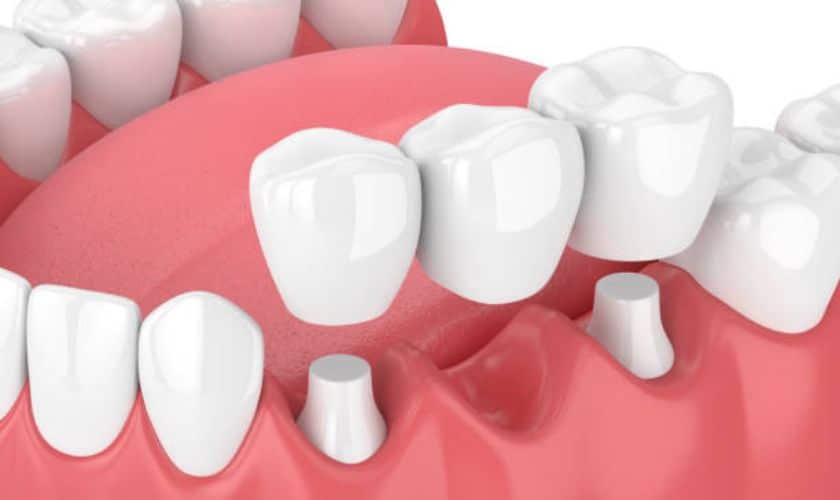
Most often, you will receive a crown over the course of two appointments. At the first one, your dentist will prep your tooth. He will remove any damaged tissue and trim the tooth. This will make room for the crown, ensuring a durable and stable restoration.
Although he will remove a significant amount of tissue, your tooth will be numb during treatment, so you should experience minimal discomfort. If you are feeling anxious, we can also provide nitrous oxide (laughing gas).
Designing Dental Crowns
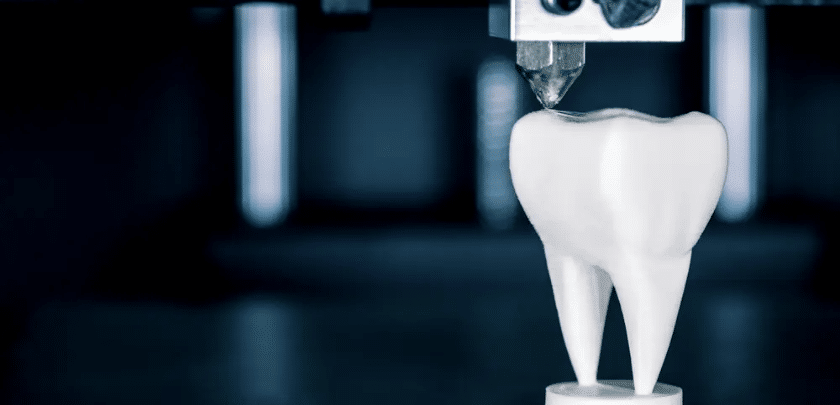
After reshaping your tooth, your dentist will take digital impressions. Scanning your tooth not only eliminates messy, uncomfortable molds. It also creates far more accurate impressions for the most lifelike crown possible. Your dentist can upload these images directly to a computer, where he will digitally design your custom restoration.
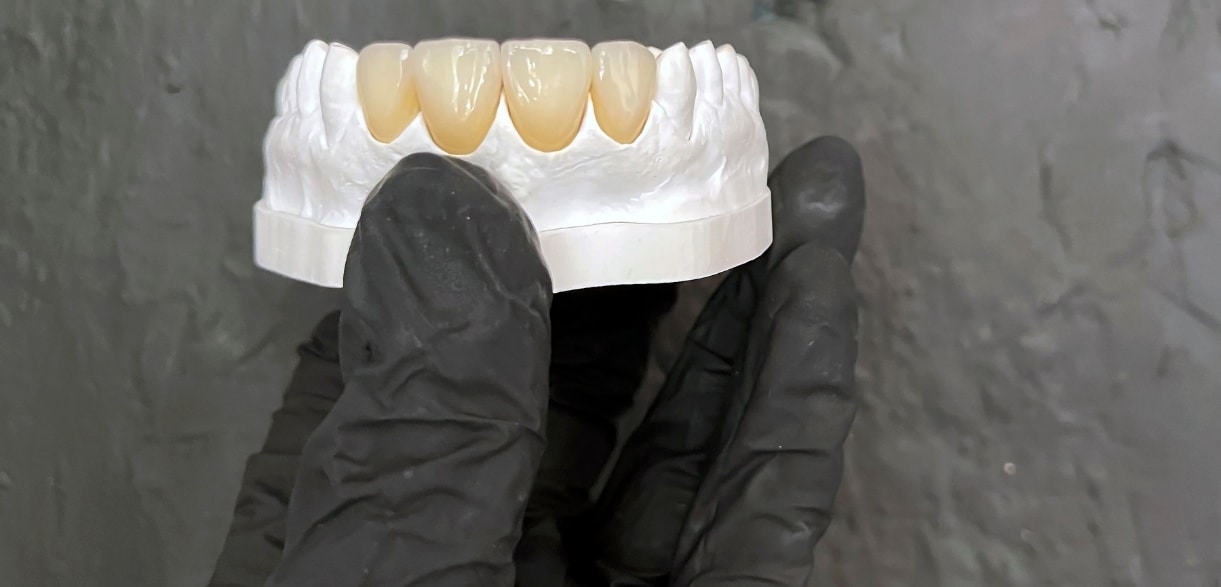
In addition to considering the shape and size, your dentist will also help you choose the right material for your crown. In the past, all dental crowns were made of metal. Today, patients can choose from far more realistic materials, including porcelain, porcelain-fused-to-metal, and zirconia.
Attaching Your Restoration
It usually takes several weeks for a dental lab to create a crown. In the interim, your practitioner will place a temporary crown. You will need to exercise caution while you are wearing this prosthetic. Hard foods or vigorous chewing can loosen the crown and cause dental sensitivity.
Once the final restoration is complete, you will return for placement. Your dentist will make sure that it fits correctly before attaching it with composite. Once the final dental crown is in place, you will be able to eat normally. Best of all, you will enjoy a beautifully restored and natural-looking smile.
Schedule an Appointment Today
Ready to schedule your restorative care?
Book an appointment online or call our Chicago, IL, office at (773) 276-5566.
Related Services: Crowns & Bridges