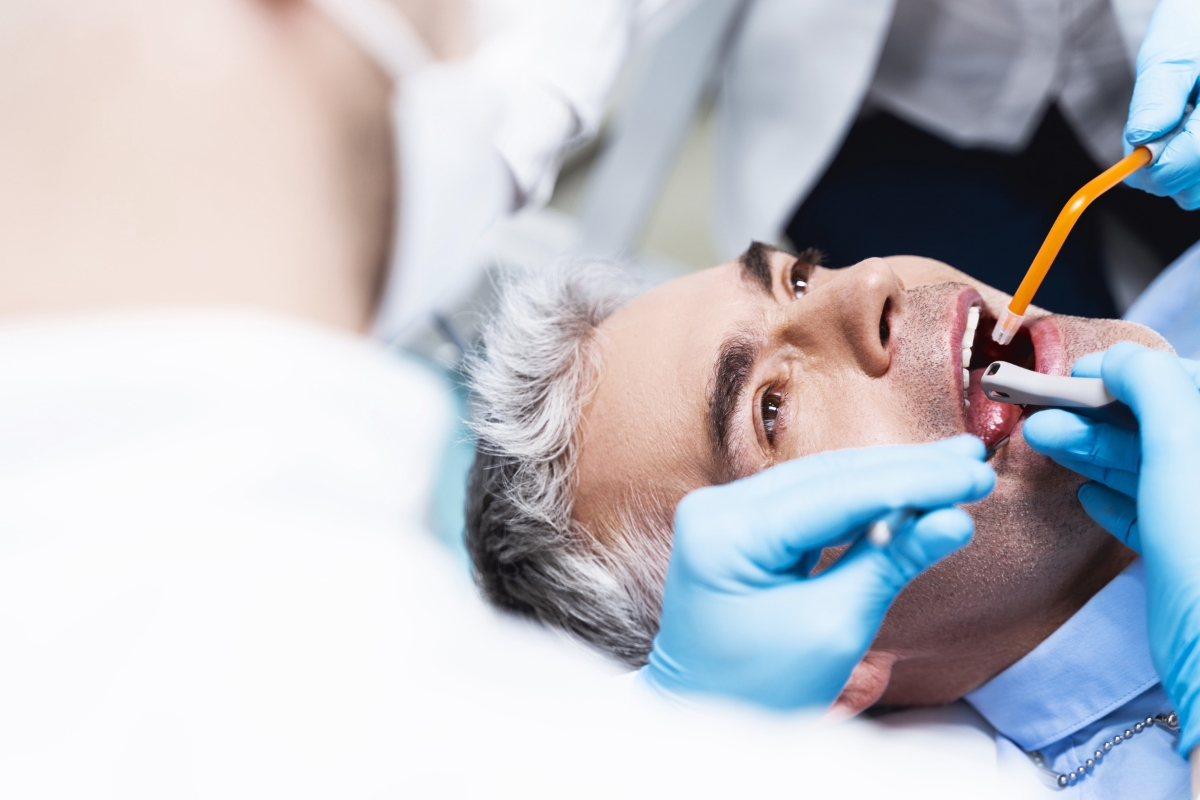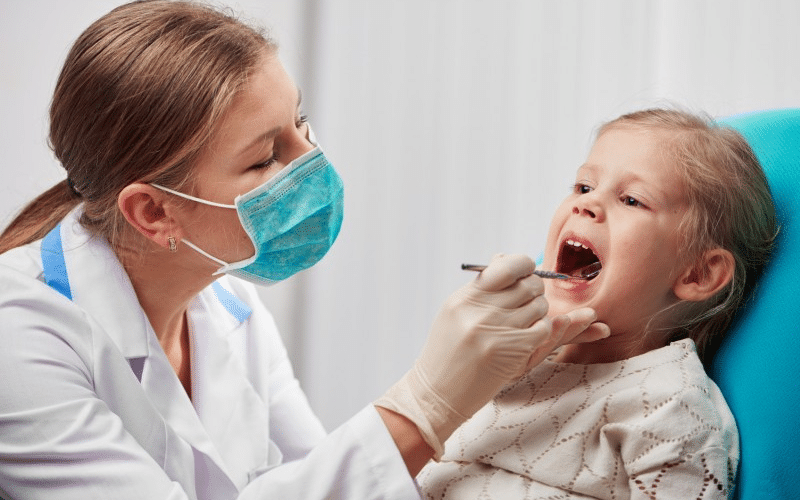

Root canals, though common, can be daunting procedures. They are often essential to save a tooth that has been severely infected or damaged. However, the success of a root canal doesn’t solely depend on the procedure itself; proper aftercare is crucial to ensure long-term oral health. As we step into 2024, advancements in dental care and a better understanding of aftercare practices can make recovery smoother and more effective. This blog delves into the importance of root canal aftercare and provides up-to-date tips for maintaining optimal oral health post-procedure.
Understanding Root Canal Therapy
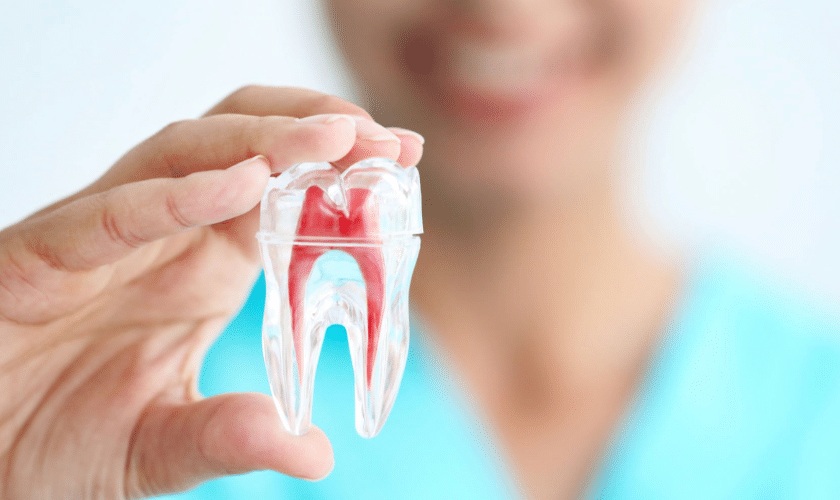
A root canal therapy is performed to remove the infected or inflamed pulp from the inside of a tooth. This procedure helps alleviate pain, eliminate infection, and prevent further dental complications. Despite its reputation, a root canal is relatively straightforward and often less painful than anticipated, especially with modern dental technologies and anesthetics.
Why Root Canal Aftercare is Crucial
- Preventing Infection: After a root canal, the area inside the tooth can be susceptible to infection until it is fully healed. Proper aftercare minimizes this risk by promoting a sterile environment within the mouth.
- Ensuring Proper Healing: Adequate aftercare practices aid in the healing process, ensuring that the tissues surrounding the treated tooth recover efficiently. This can prevent complications such as reinfection or the development of abscesses.
- Prolonging Tooth Longevity: Post-procedure care can significantly impact the longevity of the treated tooth. By following aftercare guidelines, patients can ensure that their restored tooth remains functional and healthy for years to come.
- Pain Management: Effective aftercare helps manage and reduce pain and discomfort following the procedure. This includes both immediate pain relief and long-term comfort.
Essential Tips for Root Canal Aftercare in 2024
1. Follow Your Dentist’s Instructions
The most critical aspect of aftercare is adhering to your dentist’s specific recommendations. They will provide guidelines tailored to your particular situation, including medications, diet, and activities to avoid. Follow these instructions diligently to ensure optimal healing.
2. Maintain Good Oral Hygiene
Proper oral hygiene is crucial after a root canal to prevent infection and ensure long-term dental health. Brush your teeth gently twice a day with a soft-bristled toothbrush and use fluoride toothpaste. Floss daily to remove any food particles that may be trapped between your teeth, but be gentle around the treated area to avoid irritation.
3. Use Antibacterial Mouthwash
Incorporating an antibacterial mouthwash into your daily routine can help keep harmful bacteria at bay. This reduces the risk of infection and promotes a clean oral environment conducive to healing.
4. Watch Your Diet
Immediately after the procedure, stick to a soft diet to avoid putting undue pressure on the treated tooth. Foods such as yogurt, mashed potatoes, and smoothies are good options. Avoid hard, crunchy, or sticky foods that can damage the temporary filling or cause discomfort. As healing progresses, you can gradually reintroduce other foods into your diet.
5. Manage Pain and Discomfort
It’s normal to experience some discomfort after a root canal. Over-the-counter pain relievers like ibuprofen or acetaminophen can help manage this pain. If your dentist prescribes medication, take it as directed. Applying a cold compress to the outside of your cheek near the treated area can also reduce swelling and alleviate pain.
6. Avoid Tobacco and Alcohol
Smoking and alcohol can hinder the healing process and increase the risk of infection. It’s advisable to avoid these substances for at least a few days after your root canal procedure. Long-term, reducing or quitting smoking and limiting alcohol consumption can greatly benefit your overall oral health.
7. Schedule Follow-Up Appointments
Attending follow-up appointments with your dentist is essential to monitor the healing process and address any issues promptly. Your dentist will check the treated tooth and surrounding tissues to ensure there are no signs of infection or complications.
8. Protect the Treated Tooth
Be mindful of the treated tooth and avoid using it to bite or chew hard objects like ice or pens. If you engage in sports or activities where there’s a risk of injury to your mouth, consider wearing a mouthguard to protect your teeth.
9. Consider a Permanent Restoration
After the initial healing phase, your dentist may recommend placing a crown on the treated tooth to restore its strength and functionality. A crown can protect the tooth from further damage and ensure it lasts for many years. Discuss the options with your dentist to determine the best course of action for your situation.
10. Stay Informed and Proactive
Dental technology and aftercare recommendations are constantly evolving. Stay informed about the latest developments and proactive in your oral health care. Regular dental check-ups and cleanings are vital to maintaining your overall dental health and catching any potential issues early.
Looking Ahead: The Future of Root Canal Aftercare
As we move further into 2024, advancements in dental technology and practices continue to enhance root canal procedures and aftercare. Innovations such as regenerative endodontics, which aims to regenerate the damaged pulp tissue, are on the horizon, potentially transforming how we approach root canal therapy and aftercare.
Moreover, the integration of artificial intelligence and digital monitoring in dental care allows for more personalized and precise aftercare plans. Patients can benefit from tailored recommendations and real-time monitoring of their recovery process, leading to improved outcomes and reduced risk of complications.
Root canal aftercare is a critical component of the healing process and the long-term success of the procedure. By following the tips outlined above and staying abreast of new developments in dental care, patients can ensure a smooth recovery and maintain optimal oral health. Remember, a proactive approach to aftercare not only protects your treated tooth but also contributes to your overall well-being. As we embrace the innovations and advancements of 2024, the future of dental care looks promising, paving the way for healthier smiles and more effective treatments.