
Quick Summary:
This blog explains how long dental implants can last, what parts last the longest, and what can shorten or extend their lifespan. It also covers daily habits, health factors, and lifestyle choices that play a role in keeping implants strong for years. If you are thinking about implants or already have them, this guide helps you understand how to take care of them and what to expect over time.
Dental implants are designed to be a long-term solution for missing teeth. Many people are surprised to learn that the implant itself, which is placed in the jawbone, can last for decades. In some cases, it can last a lifetime with proper care.
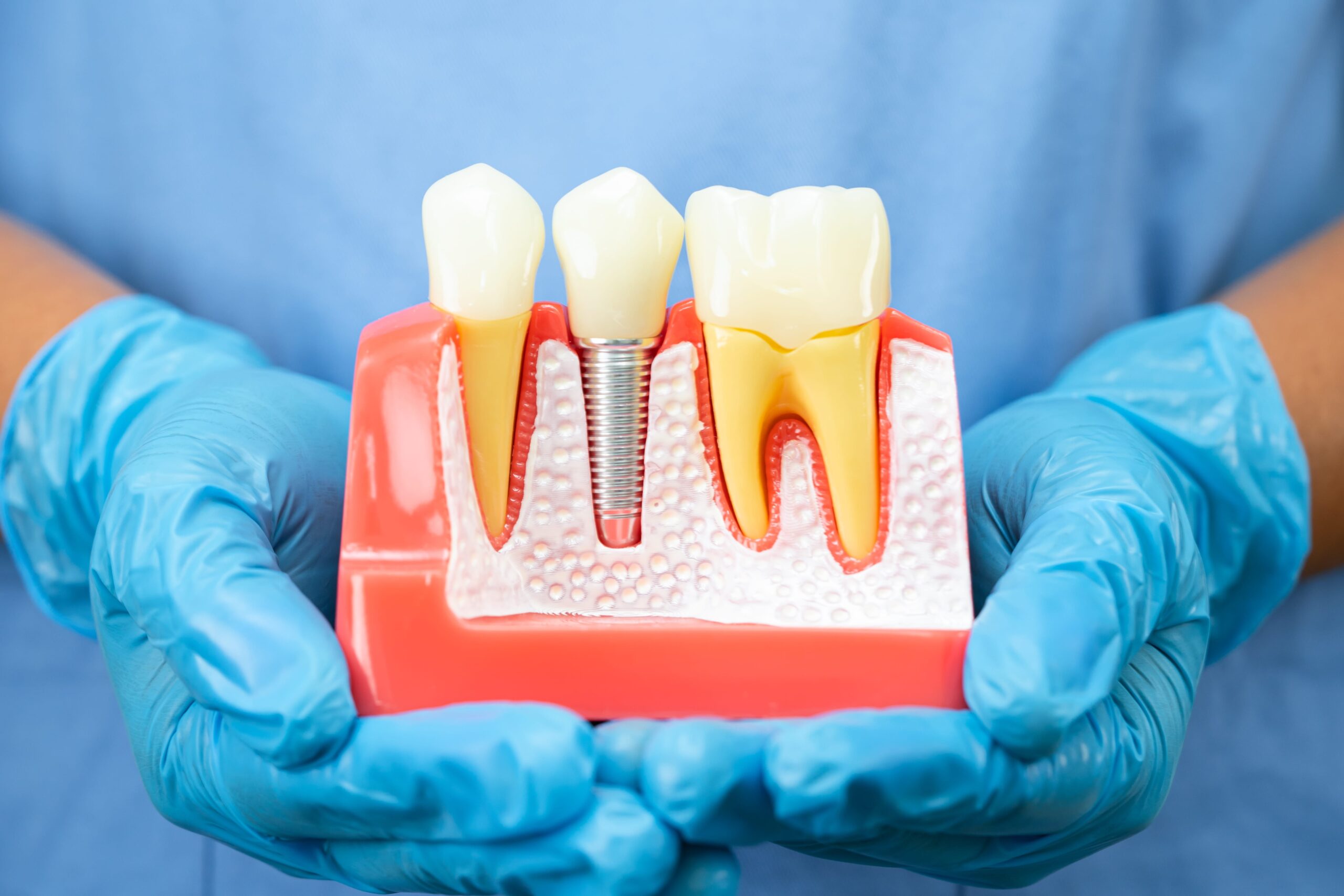
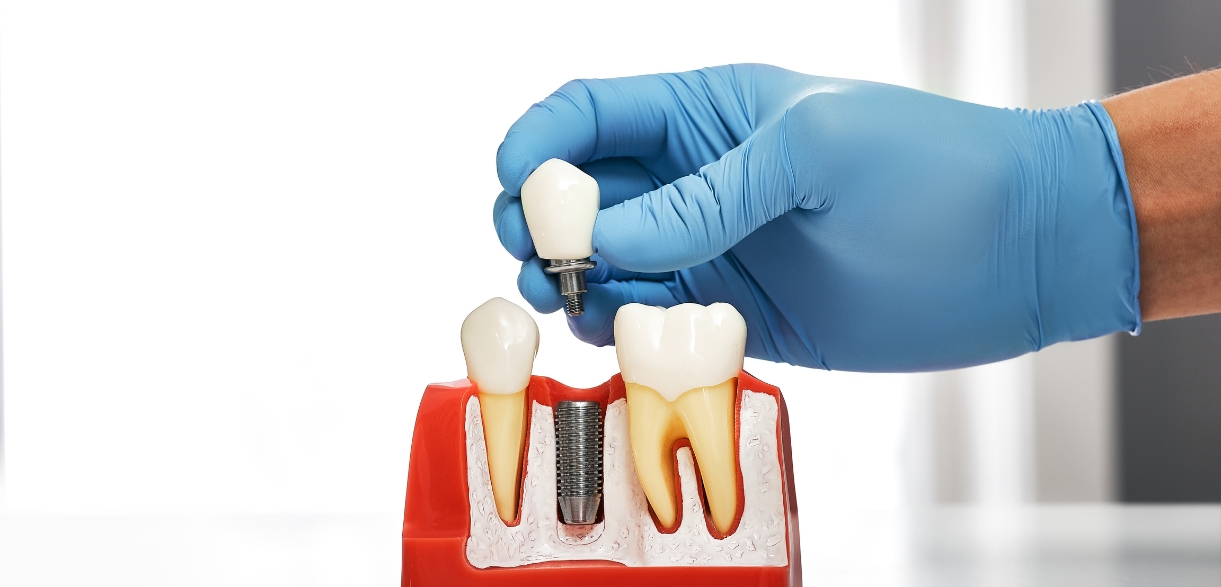
However, a dental implant has different parts. The titanium post that goes into the bone is the most durable part. The crown, which is the visible tooth on top, may need replacement after 10 to 15 years due to normal wear.
So when people ask how long dental implants last, the answer depends on which part you are talking about and how well it is maintained over time.
Why Dental Implants Last So Long
Dental implants are different from other tooth replacement options because they are placed directly into the jawbone. Over time, the bone grows around the implant in a process called osseointegration. This creates a strong and stable base.
This connection helps the implant function like a natural tooth. It also prevents bone loss, which is a common issue with missing teeth.
Because of this stability, implants are known for lasting much longer compared to dentures or bridges.
What Affects the Lifespan of Dental Implants
Even though implants are built to last, their lifespan is not the same for everyone. Several factors can influence how long they stay in place and function properly.
Daily Oral Care Habits
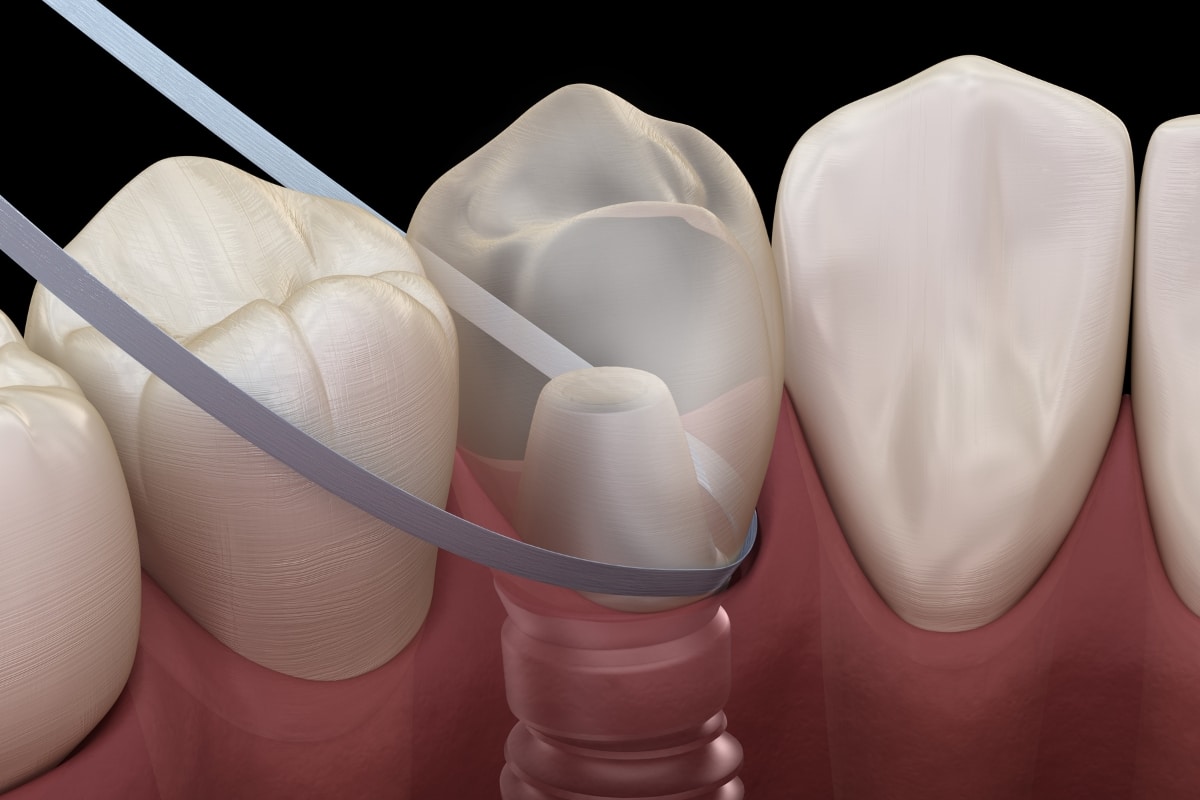
Brushing and flossing are just as important for implants as they are for natural teeth. Plaque buildup around the implant can lead to gum problems, which may affect the support structure.
Keeping your mouth clean helps protect both the implant and the surrounding gums.
Gum Health
Healthy gums are essential for implant success. Conditions like gum disease can weaken the tissue around the implant and lead to complications.
Regular dental checkups help catch early signs of gum issues before they become serious.
Lifestyle Choices
Habits like smoking can slow down healing and increase the risk of implant failure. Smoking affects blood flow to the gums, which is important for maintaining healthy tissue.
Diet also plays a role. Eating hard foods frequently or using your teeth to open packages can put extra stress on the implant.
Bite Pressure and Teeth Grinding
Some people naturally put more pressure on their teeth when they bite or grind their teeth at night. This can wear down the crown faster or put stress on the implant.
In such cases, a night guard may be recommended to protect the implant.
Overall Health Conditions
Certain medical conditions, such as diabetes, can affect healing and long-term success. Medications and immune system conditions may also play a role.
That does not mean implants are not possible, but it means extra care and monitoring may be needed.
How Chicago Lifestyle Can Influence Implant Longevity
Living in a city like Chicago comes with a fast-paced routine. Between work, commuting, and social activities, it is easy to overlook small habits that affect oral health.
Cold weather can sometimes lead to dry mouth, especially during winter months when indoor heating is used. Dry mouth reduces saliva, which normally helps protect teeth and gums.
Frequent coffee breaks, which are common in Chicago’s busy work culture, can also affect oral health if not balanced with proper cleaning habits.
These small lifestyle factors may not seem important at first, but over time they can influence how well your dental implants hold up.
What You Can Do to Make Your Implants Last Longer
Taking care of dental implants does not require complicated steps, but consistency matters.
Regular dental visits help monitor the condition of the implant and surrounding gums. Professional cleanings remove buildup that daily brushing may miss.
Using a soft-bristle toothbrush and cleaning between teeth helps prevent irritation around the implant area. Paying attention to any discomfort or changes can also help you act early if something feels off.
In the middle of your dental care journey, if you are planning to replace missing teeth or looking for long-term solutions, many patients in Chicago choose clinics that specialize in dental implant placement to ensure proper planning, placement, and follow-up care.
Common Misunderstandings About Implant Lifespan
One common belief is that implants never need any maintenance. While the implant itself is strong, the crown and surrounding tissues still need care.
Another misunderstanding is that once an implant is placed, you do not need regular dental visits. In reality, checkups are important to make sure everything remains stable.
Some people also think implants can fail easily, but with proper care, the success rate is very high.
I feel totally at ease with the services provided at Wicker Park Dental Group. Dr Gopisetty is caring and meticulous and leaves me feeling confident that I am in very good hands. He was very open about my dental implant explaining the procedure and pricing which all went according to plan leaving me with a really strong new tooth. This dental practice isn’t the newest on the block, but there is good reason why they have been around for a while. – P Bradica
Before you decide, we kindly ask you to check our real patient reviews on Google to see honest experiences shared by people who have visited us.
When Implants May Need Attention
Even long-lasting implants may need adjustments over time. The crown may wear down, or minor issues with the surrounding gum may need treatment.
Signs like discomfort, swelling, or changes in how your bite feels should not be ignored. Addressing small concerns early can prevent bigger problems later.
A Local Option to Consider
For those thinking about dental implants or looking to maintain their current ones, Wicker Park Dental Group provides care for patients in Chicago with a focus on long-term results and overall oral health, especially for those planning or maintaining implant treatments.
Final Thoughts
Dental implants are one of the most reliable ways to replace missing teeth. While the implant itself can last many years, its lifespan depends on how well it is cared for and the habits you maintain every day.
From brushing and flossing to regular dental visits and lifestyle choices, small actions can make a big difference. Understanding what affects implant longevity helps you protect your investment and keep your smile strong for years.
FAQs: Dental Implant Lifespan
How long do dental implants usually last?
The implant can last decades, while the crown may need replacement after 10 to 15 years.
What can shorten the life of a dental implant?
Poor oral hygiene, smoking, gum disease, and heavy biting pressure can affect its lifespan.
How can I make my dental implants last longer?
Brush, floss, attend regular dental visits, and avoid habits that put stress on your teeth.
Do dental implants need special cleaning?
They need regular brushing and flossing, similar to natural teeth, with extra care around the gums.
Can dental implants fail after many years?
Yes, but it is rare. Most issues are linked to gum health or lack of proper care.