

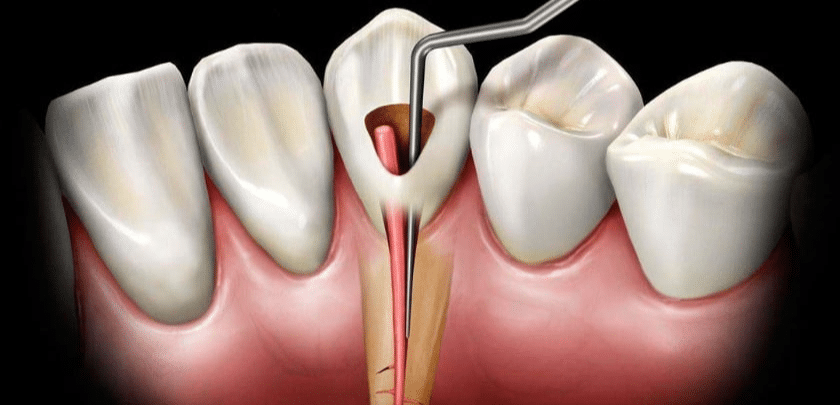
Root canal treatment, often referred to simply as a root canal, is a dental procedure used to treat infections or damage deep within the tooth. Despite its reputation for being painful, modern root canal procedures are typically not as uncomfortable as they once were, thanks to advancements in technology and anesthesia. However, some patients may experience increased tooth pain in the days following the procedure, which can be concerning and may prompt questions about whether this is normal or a cause for alarm.
To understand why tooth pain may increase after a root canal treatment, it’s important to first grasp the basics of what a root canal involves. During a root canal procedure, the dentist or endodontist (a dentist who specializes in root canal therapy) removes the infected or damaged pulp from inside the tooth. The pulp contains nerves, blood vessels, and connective tissue, and when it becomes infected or inflamed, it can cause severe pain and other symptoms.
The procedure typically involves several steps:
- Numbing the tooth and surrounding area with local anesthesia to ensure the patient feels little to no pain during the procedure.
- Creating an opening in the crown of the tooth to access the pulp chamber.
- Removing the infected or damaged pulp using specialized instruments, such as files and irrigating solutions.
- Cleaning and shaping the root canals to remove any remaining bacteria and debris.
- Filling the root canals with a biocompatible material, usually gutta-percha, to seal them and prevent reinfection.
- Sealing the opening in the tooth with a temporary or permanent filling.
While the goal of a root canal is to eliminate the source of infection and alleviate pain, it’s not uncommon for patients to experience some discomfort afterward. This discomfort may manifest as mild to moderate pain, sensitivity to hot or cold temperatures, swelling, or tenderness in the area surrounding the treated tooth. In most cases, these symptoms gradually improve over a few days as the tooth heals.
However, there are instances where the pain may increase or persist beyond the expected recovery period. Several factors could contribute to this:
- Inflammation: The root canal procedure itself can cause inflammation in the surrounding tissues, which may lead to temporary discomfort. Inflammation is a natural part of the healing process, but it can also contribute to pain and swelling in the days following the procedure.
- Post-operative infection: While root canal therapy is designed to eliminate infection from within the tooth, there is a small risk of bacteria remaining or re-entering the tooth after the procedure. If this occurs, it can lead to a persistent or recurrent infection that causes increased pain and other symptoms.
- Failure to remove all infected tissue: In some cases, it may be challenging to completely remove all of the infected or damaged tissue from inside the tooth, especially if the infection is extensive or if the tooth has complex anatomy. If any infected tissue is left behind, it can continue to cause pain and inflammation.
- Complications with the restoration: After a root canal, the tooth typically requires a permanent restoration, such as a crown, to protect it and restore its function. If there are complications with the placement of the restoration, such as improper fit or excess pressure on the tooth, it can cause pain and discomfort.
- Trauma or injury: In rare cases, trauma or injury to the treated tooth or surrounding tissues following a root canal procedure can cause increased pain and delayed healing. This could occur due to accidental biting or chewing on the tooth, or from external trauma to the face or mouth.
If a patient experiences increased or persistent pain after a root canal treatment, it’s essential to contact their dentist or endodontist promptly for further evaluation. Depending on the underlying cause of the pain, additional treatment may be necessary to address the issue and alleviate discomfort. This could include prescribing antibiotics to treat an infection, performing a retreatment of the root canal to remove any remaining infected tissue, or adjusting the restoration to improve the fit and relieve pressure on the tooth.
In summary, while it’s normal to experience some discomfort after a root canal procedure, particularly in the first few days as the tooth heals, a significant increase in pain or persistent symptoms may indicate a problem that requires attention. By understanding the potential reasons for increased tooth pain after a root canal and seeking prompt dental care when needed, patients can ensure the best possible outcome and minimize any unnecessary discomfort or complications.