

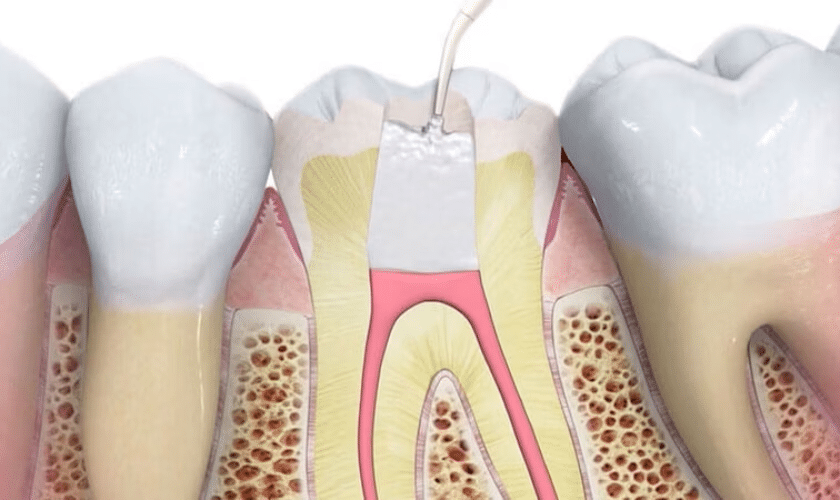
Dealing with an infected root canal can be distressing and uncomfortable. It’s essential to understand the signs, actions to take, and treatment options available. This blog aims to provide you with comprehensive guidance on handling an infected root canal, ensuring you know what steps to take and when to seek professional dental care.
Identifying an Infected Root Canal
When it comes to recognizing an infected root canal, paying attention to specific signs can make a big difference in seeking timely treatment. These indicators often point toward underlying issues within the tooth. Here are some key aspects to consider:
Persistent Pain
If you experience continuous discomfort or sharp pain around a specific tooth while eating or applying pressure, it might signify an infected root canal. This pain could range from mild to intense and might be accompanied by throbbing sensations.
Sensitivity to Temperature
Feeling heightened sensitivity to hot or cold substances when consuming food or drinks can be a potential red flag. If you notice discomfort lingering after exposure to temperature changes, it could indicate an infection within the tooth.
Swelling and Discomfort
Swelling around the affected tooth or in the surrounding gums can be a visible sign of an infected root canal. Sometimes, the area might feel tender or painful when touched or pressed.
Pimple-like bumps or Drainage
Small pimple-like bumps or blemishes on the gums near the affected tooth might indicate an infection. These bumps can discharge pus or fluid, indicating an abscess, a severe form of infection requiring immediate attention.
Unpleasant Taste or Bad Breath
An infected root canal can cause a foul taste in the mouth or persistent bad breath, even after regular brushing and flossing. This unpleasant taste often accompanies dental infections and warrants evaluation by a dentist.
What to Do If You Suspect an Infection
Here’s a detailed guide on what steps to take if you suspect such an issue:
Contact Your Dentist: Immediately reach out to your dentist when you suspect an infected root canal. Dentists are trained to handle such situations and can provide appropriate guidance. Schedule an appointment at your earliest convenience to address the problem.
Rinsing with Saltwater: While waiting for your dental appointment, rinsing your mouth with a saltwater solution can help reduce discomfort. Mix a teaspoon of salt in a glass of warm water and swish it around your mouth for about 30 seconds before spitting it out. This can temporarily alleviate pain and reduce bacterial activity.
Over-the-counter Pain Relief: Over-the-counter pain medications, such as ibuprofen or acetaminophen, can help manage pain and inflammation. Follow the recommended dosage instructions on the packaging and use them as directed until you see your dentist.
Avoid Self-Treatment: Refrain from attempting home remedies or applying any substances directly to the affected area without consulting your dentist first. Some DIY solutions exacerbate the issue or interfere with subsequent dental treatments.
Handling Discomfort: If experiencing discomfort, avoid putting pressure on the affected tooth while eating. Opt for softer foods that are easier to chew and won’t exacerbate the pain.
Emergency Dental Care: Some dental clinics offer emergency services for severe cases. If the pain becomes unbearable or if you notice signs of spreading infection like fever or swelling, consider seeking emergency dental care without delay.
Understanding the Treatment Process
When dealing with an infected root canal, understanding the treatment procedure is crucial for a successful resolution. Here’s a breakdown of the treatment process:
Dental Examination: Your dentist will start by examining the affected tooth and surrounding area. X-rays might be taken to assess the extent of the infection and determine the best course of action.
Local Anesthesia: Before commencing the procedure, local anesthesia will be administered to numb the area around the infected tooth. This ensures you remain comfortable throughout the treatment.
Accessing the Pulp: The dentist creates a small opening in the tooth to access the infected pulp and remove the damaged tissue. This step aims to eliminate bacteria and prevent further infection spread.
Cleaning and Shaping: Specialized tools are used to clean and shape the root canals, removing any remaining infected tissue and debris. This step is crucial to ensure the canals are thoroughly disinfected.
Filling the Canals: Once cleaned, the canals are filled with a biocompatible material called gutta-percha to seal the space and prevent bacteria from re-entering. This seals off the roots, reducing the risk of reinfection.
Restoration: After the root canal procedure, the tooth’s access opening is filled to restore its structure and prevent any further contamination. In some cases, a crown may be recommended to strengthen and protect the treated tooth.
Possible Complications and Prevention Measures
Understanding potential complications and adopting preventive measures are crucial aspects when dealing with an infected root canal. Here’s an expanded explanation:
Potential Complications
If left untreated, an infected root canal can lead to various complications, such as:
- Abscess Formation: A severe infection may cause the formation of an abscess, a pocket of pus around the tooth root. This can result in intense pain and swelling and, if not addressed promptly, can spread to other areas.
- Spread of Infection: Untreated infections can spread to nearby teeth, gums, or even into the jawbone, leading to more extensive dental issues and potential systemic health problems.
Prevention Measures
To prevent complications associated with an infected root canal, consider these preventive measures:
- Early Intervention: Seeking prompt dental care upon noticing symptoms can prevent the infection from worsening and minimize the risk of complications.
- Regular Dental Check-Ups: Attending routine dental check-ups enables early detection of dental problems, allowing for timely intervention before they escalate.
- Good Oral Hygiene: Maintaining proper oral hygiene by brushing twice a day and flossing regularly helps prevent bacterial buildup, reducing the risk of infections.
- Healthy Lifestyle: Consuming a balanced diet and minimizing sugary foods and beverages can support overall dental health. As a result, it reduces the likelihood of dental issues.
Alternative Solutions
When a root canal treatment isn’t feasible due to specific circumstances, alternative solutions may be considered to address the issue. Here’s a closer look at alternative options:
Tooth Extraction
In situations where the infected root canal cannot be effectively treated or the tooth’s structural integrity is compromised, the dentist might recommend a tooth extraction. This involves removing the affected tooth from its socket.
Replacement Options
Following a tooth extraction, it’s essential to consider replacement options to restore function and aesthetics. These options may include:
- Dental Implants: Surgically placed in the jawbone, dental implants act as artificial tooth roots on which a prosthetic tooth is placed. They provide stability and mimic natural teeth.
- Dental Bridges: Bridges consist of artificial teeth anchored to adjacent healthy teeth, filling the gap left by the extracted tooth. They restore chewing function and prevent neighboring teeth from shifting.
An infected root canal therapy requires timely intervention and professional care. Recognizing the signs, seeking prompt treatment, and following through with post-procedure care are crucial steps toward recovery. Remember, maintaining good oral hygiene and attending regular dental check-ups are key to preventing dental issues. By taking proactive measures and working closely with your dentist, you can address an infected root canal effectively and restore your dental health.