
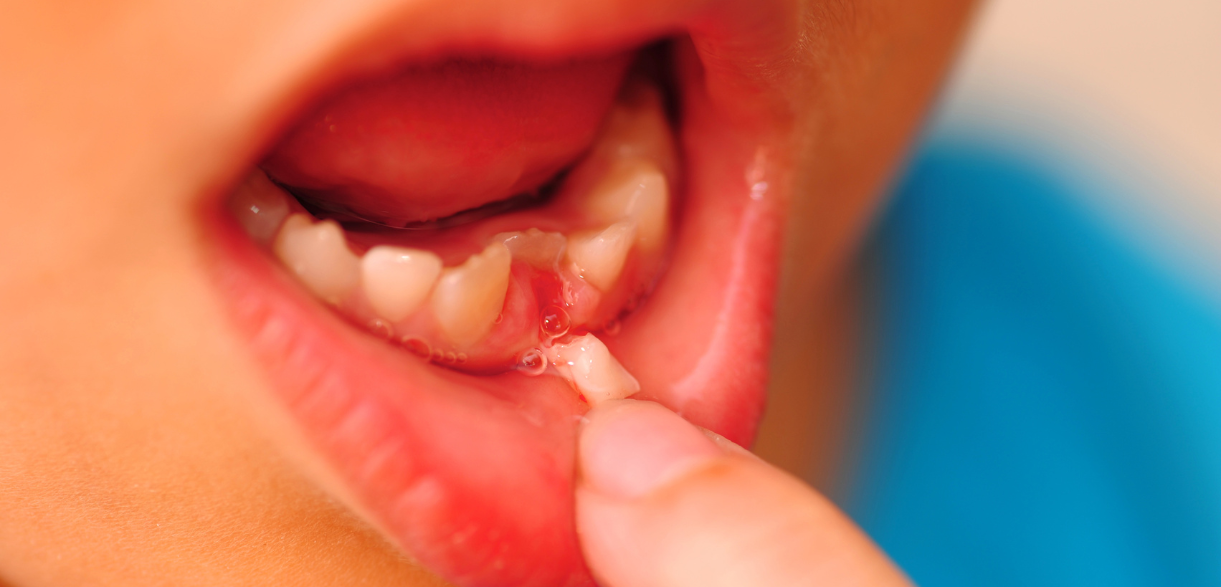
A tooth that is half out can be painful and distressing. Whether the tooth has been knocked loose due to injury or is coming out because of an infection, it’s crucial to take immediate action. If you find yourself in this situation, knowing what to do can help save the tooth and prevent further damage. In this blog, we’ll guide you through the steps to take if your tooth is half out and why contacting an emergency dentist is essential.
Stay Calm and Assess the Situation
When you notice that your tooth is half out, stay calm. Panicking won’t help, and staying composed allows you to assess the situation. Look in the mirror to evaluate how much of the tooth is still attached and if there is any bleeding or swelling.
If the tooth is still partially attached, avoid touching it too much. Excessive movement could make the situation worse. However, if the tooth is loose but still hanging on by a thread, quick intervention by an emergency dentist in Chicago may be necessary to save it.
Control Any Bleeding
If your tooth is half out, there’s a good chance of some bleeding. Use a clean piece of gauze or a cloth to press against the area to control bleeding gently. Bite down gently to help stop the bleeding. Keep pressure on the area for 10-15 minutes or until the bleeding slows.
If bleeding continues for more than 30 minutes, seeing an emergency dentist is essential. Prolonged bleeding could indicate a more severe injury or damage to the gums or surrounding tissue.
Preserve the Tooth
If the tooth is entirely out of its socket or nearly falling out, preserving it for potential reattachment is crucial. Avoid touching the root of the tooth. Instead, handle the tooth by the crown (the part visible above the gum line). This helps reduce the risk of damaging delicate tissue.
If possible, rinse the tooth gently with water. Do not scrub or use soap, alcohol, or disinfectant, as this could damage the tooth. After rinsing, try to place the tooth back into its socket. Bite down gently to hold it in place while seeking help from an emergency dentist. If you cannot reinsert the tooth, store it in a clean container with milk or saline solution. This helps keep the tooth viable until it can be reimplanted.
Contact an Emergency Dentist Immediately
After controlling bleeding and preserving the tooth, contact an emergency dentist as soon as possible. Time is of the essence when dealing with a partially or fully dislodged tooth. An emergency dentist can evaluate the injury and determine the best action. The sooner you get professional care, the better your chances of saving the tooth.
If the tooth can be reimplanted, an emergency dentist will numb the area, reposition it, and secure it. The dentist may place a splint to stabilize the tooth while it heals. Sometimes, if the tooth cannot be saved, the dentist will discuss alternative treatments, such as dental implants or bridges.
Follow the Dentist’s Instructions for Aftercare
Once the emergency dentist has treated your tooth, they will provide instructions for proper aftercare. It’s essential to follow these guidelines to ensure a smooth recovery. Avoid eating hard foods or chewing on the treated area until the tooth has stabilized. You may need to attend follow-up appointments to monitor healing and ensure that the tooth remains in place.
In addition to following your dentist’s instructions, practice good oral hygiene, but be gentle around the injured tooth. Avoid brushing too hard on the affected area, and use a soft-bristled toothbrush to avoid irritation.
Quick Action Can Save Your Tooth
Having a tooth half out can be alarming, but taking immediate action can help save the tooth and reduce the risk of further complications. Stay calm, control bleeding, and preserve the tooth until you can visit an emergency dentist. Time is critical in these situations, so contact an emergency dentist as soon as possible. With quick intervention and proper care, you can increase the chances of saving your tooth and restoring your smile.