

Blog Summary:
Dental crowns are often recommended when a tooth is too weak, damaged, or worn down to function on its own. In this blog, you will learn what a dental crown does, the common situations where dentists suggest one, how the process works, and what Chicago residents should know before treatment. If you have a cracked tooth, large filling, or recently had a root canal, this guide will help you understand when a crown may be necessary.
Life in Chicago moves fast. From early morning commutes on the CTA to weekend walks along the Lakefront Trail, your schedule can stay full year-round. Between grabbing coffee in Wicker Park, enjoying deep-dish pizza with friends, or cheering on your favorite team downtown, your teeth handle a lot every day.
But what happens when a tooth becomes weak, cracked, or heavily filled? You may not always feel pain right away, yet the damage can still grow worse over time. That is when dentists often recommend a dental crown.
In this blog, we will explain when dental crowns are needed, how they protect your teeth, and what Chicago residents should know before moving forward with treatment. If you have ever wondered whether a crown is truly necessary, this guide will help you understand the reasons behind your dentist’s recommendation.
Ready to Protect Your Smile? Schedule Your Visit Today

Thank you for taking the time to learn more about when dental crowns are recommended and how they help protect weak or damaged teeth. We hope this guide has given you clarity and confidence about your treatment options.
If you have a cracked tooth, a large filling, or recently completed a root canal, now is the perfect time to take the next step. A custom fitted crown that matches your existing teeth can restore your comfort, strength, and peace of mind.
At Wicker Park Dental Group, your care is in experienced hands with Dr. Krishna Gopisetty, DDS and Dr. Brandon Siaj, DMD. They are committed to providing personalized restorative solutions that protect your long term oral health while keeping your smile looking natural.
Whether you live in Wicker Park, Bucktown, or nearby Chicago neighborhoods, our team is here to help you feel comfortable and confident every step of the way. Call today to schedule your appointment and let us help you keep your smile strong for years to come.
What Is a Dental Crown?
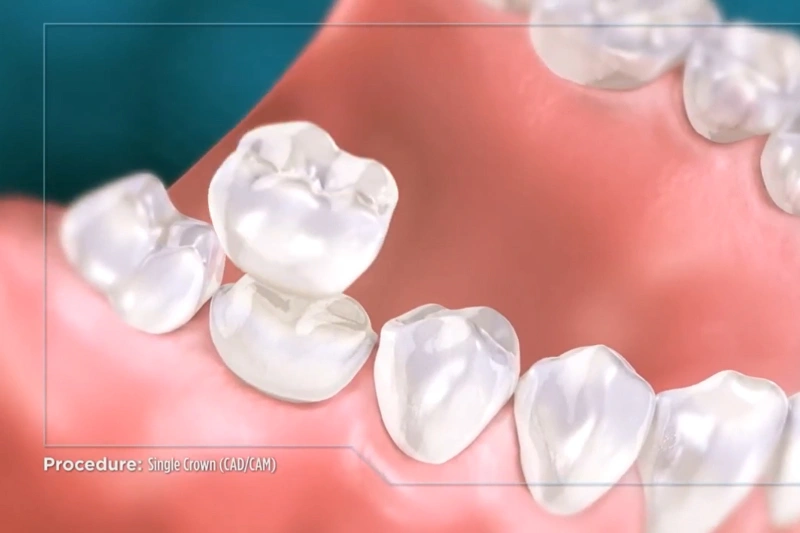
A dental crown is a cap that covers a damaged tooth. It restores the tooth’s shape, strength, and appearance. Once placed, it works like a protective shell, allowing you to chew and speak comfortably.
Crowns can be made from porcelain, ceramic, metal, or a combination of materials. Many people prefer tooth-colored crowns because they blend naturally with surrounding teeth.
In a busy city like Chicago, where daily life may include grabbing deep-dish pizza in River North or commuting through the Loop, strong teeth matter. A crown helps protect your smile so you can eat and talk without discomfort.
When Is a Dental Crown Recommended?
Dentists recommend crowns in several situations. Understanding these can help you know what to expect during your visit.
After a Root Canal
A root canal removes infected tissue from inside the tooth. While it relieves pain, it also leaves the tooth more fragile. A crown is often placed afterward to prevent cracking and restore strength.
Without a crown, a treated tooth may break under pressure.
For a Large Filling
If a tooth has a very large filling and little natural structure left, it may not be strong enough to handle daily use. In this case, a crown provides full coverage and support.
Large fillings can weaken the remaining tooth over time, especially on back molars that handle most chewing.
Cracked or Broken Teeth
Teeth can crack from accidents, sports injuries, or biting down on something hard. Chicago winters bring icy sidewalks, and falls sometimes lead to dental injuries. A crown can hold a cracked tooth together and prevent further damage.
If the crack is deep, early treatment can save the tooth.
Severe Tooth Wear
Grinding your teeth, also called bruxism, can wear them down. Over time, teeth may become shorter, sensitive, or uneven. Crowns can rebuild the natural shape and protect the tooth from more wear.
Cosmetic Reasons
Sometimes crowns are used to improve the look of a tooth that is discolored or misshapen. While veneers are another option, a crown may be suggested if the tooth also needs structural support.
As one satisfied patient shared-
Dr Siaj and team were great. I’m completely terrified of going to the dentist. I went in with a broken molar that needed a root canal and crown. They were very accommodating, explained everything and made the experience better than I could have imagined. I feel lucky that they’re in the neighborhood and will definitely be going back. – A Sherman
We invite you to explore our Google reviews and hear directly from the patients we serve.
How the Crown Process Works
The process usually takes two visits. During the first visit, the dentist reshapes the tooth and takes impressions. A temporary crown is placed while the permanent one is made.
At the second visit, the final crown is cemented in place. It is designed to fit your bite comfortably and blend with nearby teeth.
For patients looking for a custom-fitted crown that matches your existing teeth, discussing material choices and shade matching with your dentist is important. A well-made crown should feel natural and not interfere with chewing.
What should you do if your dental crown breaks unexpectedly? Visit our guide on what to do if your dental crown breaks to learn the right steps to protect your tooth and avoid further complications.
Why Early Treatment Matters
Many people delay treatment because the tooth does not hurt right away. However, small cracks or weak spots can worsen over time. Waiting too long may lead to infection or the need for extraction.
Regular dental exams help catch these problems early. In Chicago, with its fast-paced lifestyle, it is easy to put dental care aside. But protecting a damaged tooth now can prevent more complex treatment later.
Caring for a Dental Crown
A crown does not require special care, but it still needs daily brushing and flossing. Gum health around the crown is important. Avoid chewing on ice or very hard foods, which can damage both natural teeth and restorations.
Routine dental visits allow your dentist to check the crown’s fit and condition.
Dental Crown Solutions for Chicago Neighborhoods
If you have been told you may need a crown, asking questions about the material, process, and long-term care can help you feel more confident.
For those in Chicago seeking crown and bridge services, Wicker Park Dental Group offers restorative options designed to strengthen damaged teeth and restore function. Whether you live in Wicker Park, Bucktown, or nearby neighborhoods, timely care can protect your smile for years to come.
Dental crowns are recommended when a tooth needs more than a simple filling. They provide protection, restore strength, and improve appearance. If your dentist suggests one, it is usually to prevent a larger problem and keep your smile healthy and strong.
Stronger Smiles Start at Wicker Park Dental Group
If your tooth is weak, cracked, or heavily restored, a dental crown is often the most reliable way to protect it and restore full function. Acting early can help you avoid more complex treatment later and keep your natural smile intact.
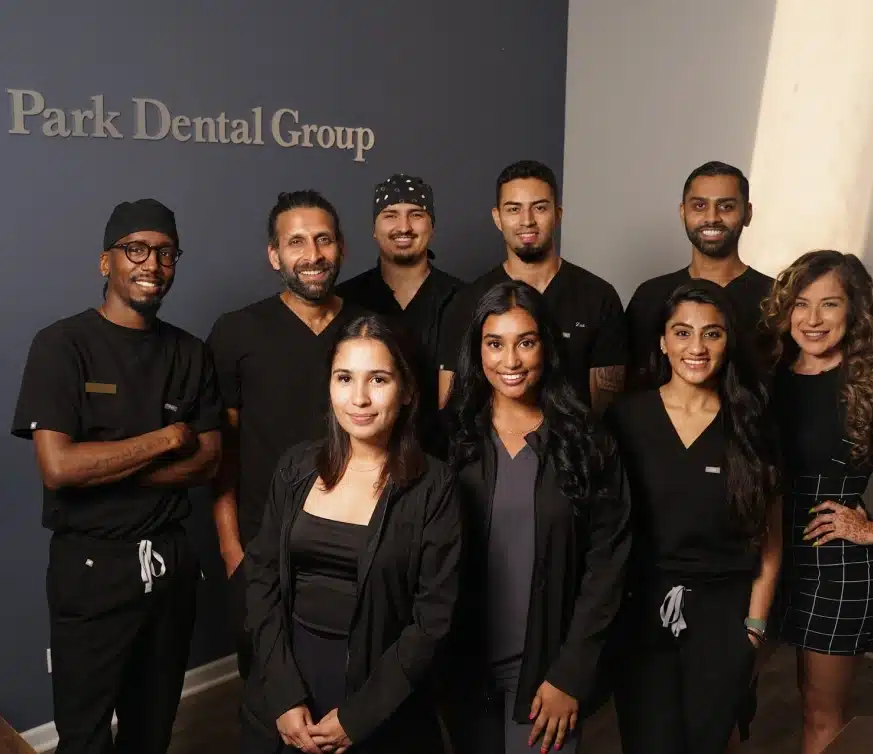
At Wicker Park Dental Group, our team provides custom crafted crowns and bridges designed to look natural and feel comfortable. Each restoration is carefully made to match your existing teeth so you can chew, speak, and smile with confidence.
Whether you live in Wicker Park, Bucktown, or anywhere in Chicago, we are here to help you make the best decision for your oral health. If you have been told you may need a crown, or you are experiencing discomfort in a damaged tooth, schedule a visit with our team. We look forward to helping you restore and protect your smile for years to come.
Frequently Asked Questions
How do I know if I really need a dental crown?
You may need a dental crown if your tooth is cracked, has a very large filling, or has recently had a root canal. Sometimes there is pain, but not always. Your dentist will check how much healthy tooth structure remains and decide if a crown is needed to protect it from breaking.
What is the difference between a crown and a bridge?
A crown covers and protects a single damaged tooth. A bridge is used when one or more teeth are missing. It fills the gap by anchoring to nearby teeth or implants. Both options help restore chewing function and keep your bite aligned.
Will my dental crown look natural?
Yes. Modern crowns are made to match the color and shape of your surrounding teeth. Tooth colored materials like porcelain or ceramic are commonly used so the crown blends in with your smile. Most people cannot tell the difference between a crown and a natural tooth.
How long does a dental crown last?
With proper brushing, flossing, and regular dental visits, a crown can last many years. Avoid chewing ice or very hard foods, as that can damage both natural teeth and restorations. Good oral hygiene plays a big role in how long your crown stays in place.
How long does the crown process take?
The process usually takes two visits. During the first visit, the tooth is prepared and impressions are taken. A temporary crown is placed while the permanent one is made. At the second visit, the final crown is cemented securely. Your dentist will make sure it fits comfortably and feels natural when you bite down.