

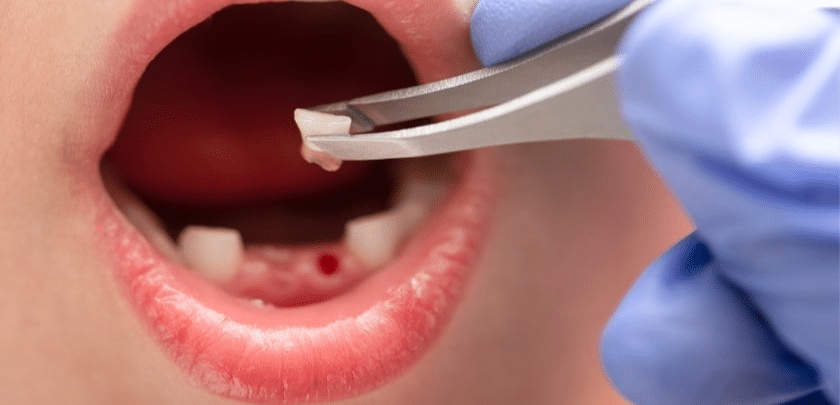
Toothaches – the unwelcome orchestra of throbbing, stabbing pain that can turn the best day upside down. Sometimes, the only way to silence this internal band is through tooth extraction. But the looming question arises: “Which tooth extraction will unleash the pain kraken?”
The truth is, there’s no single answer. Pain is a subjective beast, what feels like a breeze for one person might have another clutching the dentist’s chair. But fret not, fellow adventurer of the oral cavity! We can delve into the factors influencing extraction pain and equip you for a smoother journey.
The Extraction Expedition: Simple vs. Surgical
Imagine your dentist as Indiana Jones, venturing into the uncharted territory of your mouth. Simple extractions are like retrieving the golden idol – the tooth is visible, easily accessible, and pops out with minimal fuss. Surgical extractions, however, are more like retrieving the Sankara Stones – they require gum tissue manipulation, bone removal, or maybe even wrestling with an impacted tooth. Generally, surgical extractions translate to more discomfort due to the increased complexity and manipulation of tissues.
Location, Location, Location: Where Your Tooth Resides Matters
Our jaws aren’t one-size-fits-all. Lower teeth tend to be rooted in denser bone, which can make the extraction process more challenging and potentially lead to more post-operative discomfort. Wisdom teeth, notorious for their dramatic late arrival and tendency to erupt sideways, can also be a pain party waiting to happen. Impacted wisdom teeth that are buried deep or sideways can require more surgical intervention, translating to more potential ouchies.
Feeling the Feels: The Anesthesia Adventure
Thankfully, modern marvels like anesthesia exist to make the experience much more tolerable. Local anesthesia numbs the area around the extraction site, essentially putting your rogue tooth to sleep. However, some people might experience some pressure or tugging during the procedure. In complex cases or for patients with high dental anxiety, dentists might offer sedation or even general anesthesia to ensure maximum comfort.
You Are What You Tolerate: The Pain Threshold Effect
We all have our own built-in pain dials. Some folks are warriors who can handle a toothache like a champ, while others might consider flossing a form of torture. This inherent pain tolerance plays a big role in how you experience an extraction. The good news is that dentists are pain management pros, and they will tailor the anesthesia and post-operative medication plan to your specific needs.
Post-Operative Pain: The Healing Hurdle
The extraction rodeo is over, but the after-effects can linger. Swelling, soreness, and some throbbing pain are all part of the healing process. Following your dentist’s post-operative instructions religiously, including pain medication and proper care of the extraction site, can significantly reduce discomfort and promote faster healing.
Bonus Tip: The Buddy System – Don’t Go It Alone
Having a trusted friend or family member by your side for support, both pre and post-extraction, can make a big difference. They can help you with errands, remind you to take your medication, and most importantly, offer emotional support and a good distraction.
Beyond the Basics: Minimizing Discomfort
While there’s no guarantee a tooth extraction will be a pain-free experience, there are ways to minimize discomfort:
- Pre-extraction TLC: Maintain good oral hygiene leading up to the procedure. This reduces inflammation and the risk of infection, both of which can contribute to post-operative pain.
- Open Communication: Talk to your dentist about your concerns and pain tolerance. This helps them tailor the anesthesia and medication plan accordingly.
- Ice Your Cheeks: Applying ice packs to your cheek near the extraction site can help reduce swelling and discomfort.
- Mind Your Diet: Stick to soft foods like mashed potatoes or yogurt for the first few days after extraction. This minimizes pressure on the extraction site and promotes healing.
- Rest and Relaxation: Your body needs time to heal. Get plenty of rest and avoid strenuous activity for the first few days after the extraction.
Remember: While there’s no way to completely predict your individual pain experience, understanding the factors involved and openly communicating with your dentist can significantly reduce anxiety and help you navigate the healing process with more ease. So, the next time a tooth decides to throw a tantrum, approach the extraction with knowledge and a positive attitude. After all, a little preparation can go a long way in ensuring a smoother journey back to a healthy, happy smile.
Additionally: If you have a specific concern about a particular tooth, consult your dentist. They can assess your individual situation and provide more specific insights into the potential pain level associated with your specific extraction.