
Why Your Whitening Results Fade Fast (And How to Make Them Last)
You finally got that bright, confident smile — then watched it fade within weeks. If you’ve been wondering why your whitening results fade fast and how to make them last in Chicago, you’re not alone. Many patients at Wicker Park Dental Group ask Dr. Brandon Siaj the same question. The good news is that with the right habits and a little guidance, you can significantly extend your results.
How Long Do Teeth Whitening Results Actually Last?
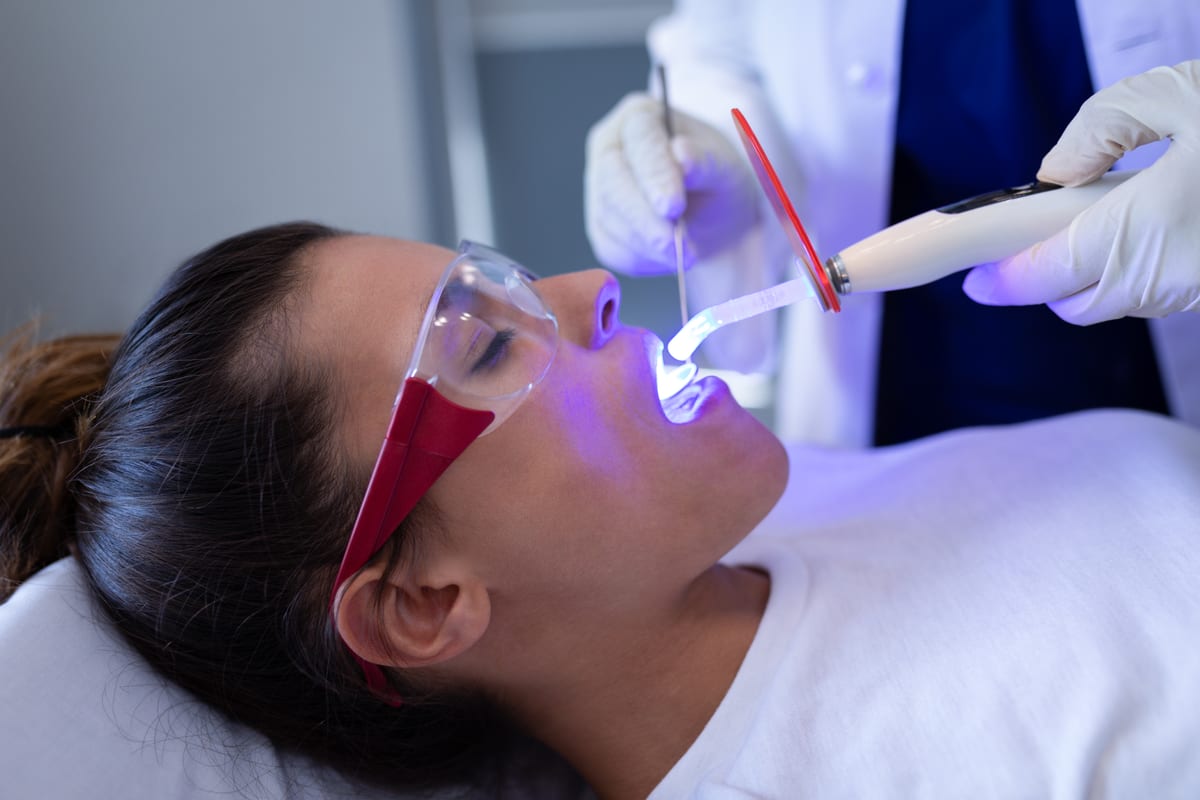
Most professional whitening treatments deliver noticeable results that last anywhere from six months to two years. That wide range depends entirely on your daily habits and lifestyle choices. At-home kits tend to fade faster than in-office treatments. Professional whitening, like what we offer through our Cosmetic Dentistry Chicago services, penetrates deeper for longer-lasting results.
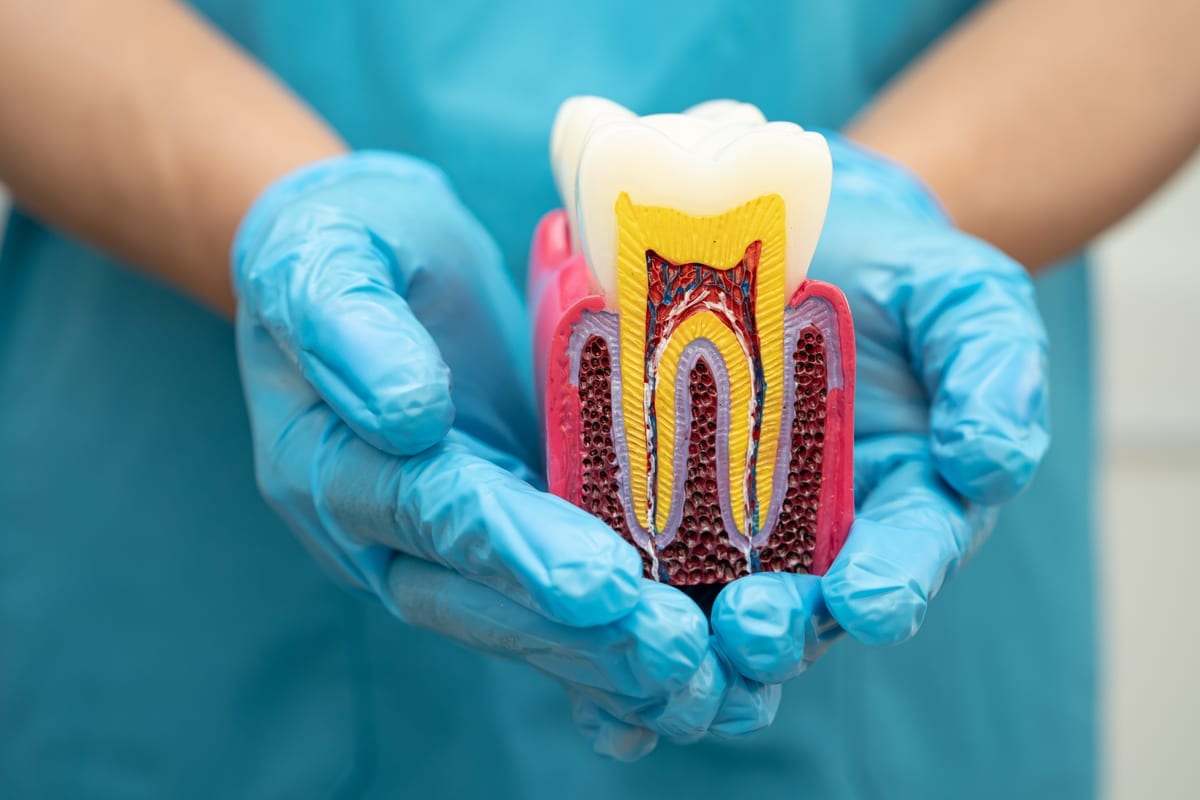
Your teeth are naturally porous. After whitening, those pores remain open and more vulnerable to staining for the first 48 hours. What you eat and drink during that window matters more than almost any other factor. Being mindful early on gives your results a much stronger start.
The Biggest Habits That Fade Your Whitening Results Fast
Understanding why your whitening results fade fast is the first step to making them last in Chicago’s busy lifestyle. Several common daily habits accelerate staining and discoloration after treatment.
- Coffee and tea: Both contain tannins that bind to enamel and cause yellowing over time.
- Red wine: A double threat — it has both tannins and dark pigments that stain quickly.
- Smoking and tobacco: Nicotine and tar create stubborn yellow and brown stains that resist most whitening agents.
- Dark sauces and berries: Soy sauce, tomato sauce, blueberries, and similar foods are surprisingly damaging.
- Acidic beverages: Sodas and citrus juices weaken enamel, making teeth more porous and stain-prone.
Chicago residents often lead active social lives — which means more coffee meetings, dinner outings, and wine at events. These moments add up. It doesn’t mean you need to avoid everything, but awareness makes a real difference.
Practical Tips to Make Your Whitening Last Longer in Chicago
You don’t have to give up your favorite foods forever. Instead, adopt smarter habits that protect your investment and keep your smile brighter for longer.
- Drink through a straw: This simple trick reduces direct contact between staining liquids and your teeth.
- Rinse after staining foods: A quick water rinse after coffee or wine flushes away surface pigments before they set.
- Brush twice daily: Use a whitening toothpaste to maintain brightness without aggressive scrubbing that damages enamel.
- Schedule touch-up treatments: A quick professional touch-up every six to twelve months keeps results fresh.
- Avoid smoking: Quitting tobacco is one of the single most effective things you can do for whitening longevity.
Dr. Siaj also recommends staying consistent with your professional cleanings. Regular cleanings remove surface stains before they become deeply embedded. This makes your whitening last significantly longer between treatments.
The Role of Professional Cleanings and Preventive Care
Routine dental cleanings do more than just freshen your breath. They physically remove tartar and surface staining that your toothbrush simply can’t reach. For whitening patients, this is especially important. Stain buildup accelerates fading — and cleanings reset the clock.
At Wicker Park Dental Group, we pair whitening consultations with preventive care recommendations tailored to your lifestyle. If you drink a lot of coffee or eat high-pigment foods regularly, we’ll suggest a more frequent cleaning schedule. This proactive approach keeps your results visibly brighter for much longer.
We also recommend asking about fluoride treatments and enamel-strengthening options. Stronger enamel is less porous. Less porous teeth stain more slowly and hold whitening results longer. It’s a simple but powerful piece of the longevity puzzle.
When to See Dr. Siaj About Your Whitening Results
Sometimes fading happens faster than expected — and that’s worth addressing with your dentist. Rapid discoloration can signal an underlying issue like enamel erosion, dry mouth, or medication side effects. These factors change how your teeth respond to whitening treatments. It’s always smart to discuss any concerns during your next visit.
If you’ve experienced a dental emergency that affected your smile, it’s also worth combining your whitening plan with a consultation. Our Emergency Dentistry Chicago team can help address any structural concerns before you pursue cosmetic treatments. Healthy teeth respond better to whitening — and hold results longer.
Dr. Siaj takes a whole-mouth approach. He doesn’t just whiten teeth — he evaluates your overall oral health to make sure your results are safe, effective, and sustainable. That’s what sets a professional consultation apart from an over-the-counter kit.
Conclusion: Keep Your Chicago Smile Bright Year-Round
Understanding why your whitening results fade fast — and how to make them last in Chicago — comes down to three things: smart daily habits, consistent preventive care, and professional guidance. Small changes like using a straw, rinsing after meals, and scheduling regular cleanings add up to a noticeably longer-lasting smile. You don’t have to choose between your lifestyle and your bright smile. You just need the right strategy to maintain both. Book Now to schedule your appointment with our team.
Frequently Asked Questions
How long does professional teeth whitening last compared to at-home kits?
Professional whitening typically lasts six months to two years, depending on your habits. At-home kits tend to fade faster — often within two to three months — because they use lower concentrations of whitening agents. In-office treatments penetrate deeper into enamel for more durable results.
Can I drink coffee after getting my teeth whitened?
It’s best to avoid coffee for the first 48 hours after whitening, when your enamel pores are most open. After that window, using a straw and rinsing with water immediately after drinking coffee helps minimize staining. Touch-up whitening treatments can also help offset the effects of regular coffee consumption.
Does smoking really affect whitening results that much?
Yes — tobacco is one of the fastest ways to reverse whitening results. Nicotine and tar create deep, stubborn stains that bond strongly to enamel. Patients who smoke often see their whitening fade within weeks rather than months. Quitting tobacco dramatically improves both the longevity of whitening and overall oral health.
How often should I schedule professional cleanings to maintain my whitening?
Most patients benefit from cleanings every six months. However, if you regularly consume staining foods or drinks, Dr. Siaj may recommend visits every three to four months. Frequent cleanings remove surface stains before they set deeply, which keeps whitening results looking fresher for longer.
Is teeth whitening safe for sensitive teeth?
Yes, whitening can be performed safely on sensitive teeth with the right approach. Dr. Siaj evaluates your enamel and gum health before recommending any whitening treatment. He may suggest lower-concentration formulas, desensitizing gels, or shorter treatment times to make the process comfortable and effective for sensitive patients.