

Welcome to the remarkable world of root canal therapy, where healthy roots are nurtured to preserve your smile. Root canal treatment is a vital dental procedure that has revolutionized the field of dentistry. By addressing issues deep within the tooth, it offers relief from pain, saves natural teeth, and restores dental health. In this article, we will delve into the intricacies of root canal therapy, exploring its benefits, procedure, and aftercare. Prepare to be amazed as we uncover the secrets of this remarkable treatment that can transform your dental health and ensure the longevity of your natural smile.
Understanding Root Canal Therapy
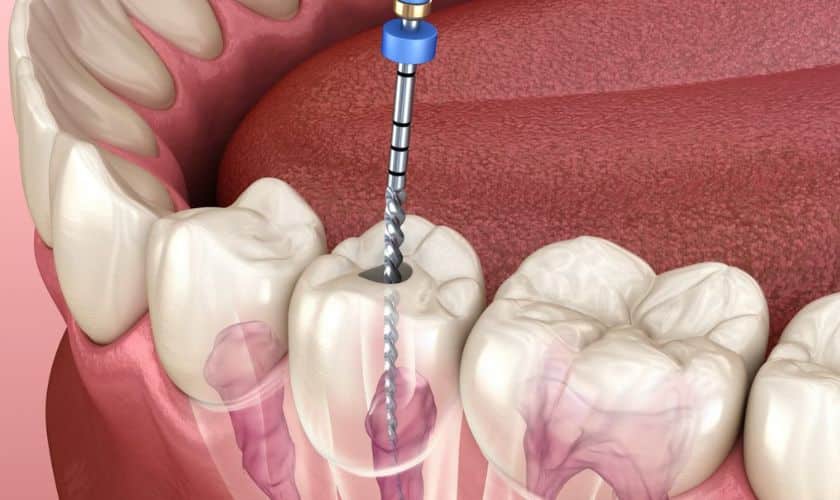
Root canal therapy is a dental procedure aimed at treating and saving a severely damaged or infected tooth. It involves removing the infected pulp from the tooth’s interior, cleaning and disinfecting the root canals, and then filling and sealing them to prevent further infection. Root canal therapy is performed to alleviate tooth pain, restore dental function, and preserve the natural tooth structure. This procedure is necessary when the tooth’s pulp becomes inflamed or infected due to deep decay, cracks, or trauma. By understanding the process and benefits of root canal therapy, individuals can make informed decisions about their dental health and seek timely treatment when needed.
The Root Canal Procedure
1. Accessing the tooth: The first step of the root canal procedure involves accessing the infected tooth by creating a small opening in the tooth’s crown. This allows the dentist to reach the tooth’s pulp and root canals.
2. Cleaning and sealing the canals: Once the pulp is exposed, the dentist uses specialized instruments to remove the infected or damaged pulp and thoroughly clean the root canals. After cleaning, the canals are filled with a biocompatible material called gutta-percha and sealed to prevent reinfection.
Note: The root canal procedure may require multiple visits depending on the severity of the infection and the complexity of the case. In some cases, a dental crown may be placed over the treated tooth to restore its strength and protect it from further damage.
Benefits of Root Canal Therapy
1. Pain relief: Root canal therapy effectively eliminates the source of tooth pain by removing the infected pulp and addressing the underlying cause of the problem. This can provide significant relief from toothache and discomfort.
2. Tooth preservation: Rather than extracting a severely damaged or infected tooth, root canal therapy allows for the preservation of the natural tooth. By removing the infected pulp and sealing the canals, the tooth can be saved and function normally, preventing the need for tooth replacement options like dental implants or bridges. This helps maintain the natural appearance and function of the smile.
Aftercare and Recovery
1. Oral hygiene: After a root canal procedure, it is important to maintain good oral hygiene to ensure proper healing and prevent future infections. This includes brushing twice a day, flossing daily, and using an antimicrobial mouthwash as recommended by your dentist.
2. Regular dental check-ups: Following a root canal, regular dental check-ups are crucial to monitor the healing process and ensure the success of the treatment. Your dentist will evaluate the treated tooth, perform any necessary adjustments, and provide guidance on maintaining long-term oral health.
It is important to follow your dentist’s instructions and attend scheduled follow-up appointments to ensure optimal recovery and long-term success of the root canal therapy.
Debunking Myths and Common Misinterpretations
1. Myth: Root canal therapy is extremely painful.
Reality: With advancements in modern dentistry and the use of local anaesthesia, root canal therapy is generally a painless procedure. The purpose of the treatment is to alleviate pain caused by an infected or damaged tooth.
2. Myth: Extraction is a better alternative to root canal therapy.
Reality: Saving your natural tooth through root canal therapy is often the preferred option. Extracting the tooth can lead to further complications, such as misalignment of adjacent teeth, difficulty chewing, and bone loss. Root canal therapy allows you to retain your natural tooth and restore its function and appearance.
It is important to consult with a dental professional to address any concerns or misconceptions you may have about root canal therapy.
In conclusion, root canal therapy is a remarkable dental procedure that can save an infected or damaged tooth from extraction. With advances in modern dentistry, root canal therapy has become a comfortable and effective treatment option. By understanding the process and dispelling myths, patients can confidently embrace this procedure to restore their oral health and preserve their natural teeth.
FAQs:
1. Is root canal therapy painful?
No, root canal therapy is not painful. Local anesthesia is used to numb the area, ensuring a comfortable experience during the procedure. Any discomfort following the treatment can usually be managed with over-the-counter pain medications.
2. How long does a root canal procedure take?
The duration of a root canal procedure can vary depending on the complexity of the case. On average, it can take about 1 to 2 hours to complete. In some cases, multiple appointments may be required.
3. What happens after a root canal procedure?
After a root canal procedure, you may experience some sensitivity and mild discomfort, which can be relieved with over-the-counter pain medications. It is important to follow your dentist’s instructions for post-treatment care and attend any follow-up appointments.
4. Are there any risks associated with root canal therapy?
Root canal therapy is a safe and effective procedure. However, in rare cases, complications such as reinfection or damage to surrounding structures may occur. Your dentist will discuss the potential risks and address any concerns you may have.
5. Will I need a crown after a root canal?
In most cases, a dental crown is recommended after a root canal procedure. A crown helps to protect and strengthen the treated tooth, preventing further damage and restoring its function and appearance. Your dentist will evaluate your specific situation and recommend the appropriate treatment plan.