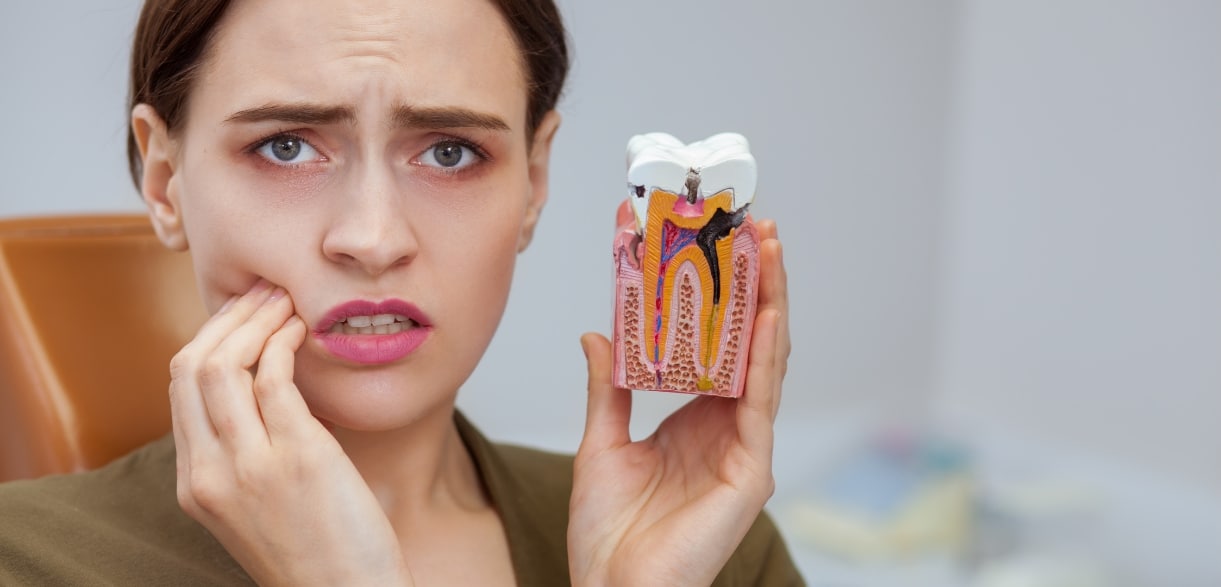


Dental emergencies can happen when you least expect them. Whether it’s a sudden toothache, a broken tooth from an accident, or an injury during sports, knowing how to respond quickly can make a huge difference in saving your tooth and preventing additional damage. In Chicago, residents are fortunate to have reliable dental practices like Wicker Park Dental Group that offer immediate care during oral emergencies. Here’s a step-by-step guide on how to handle a dental emergency until you can get professional treatment.
Step 1: Stay Calm and Assess the Situation
The first thing to do when faced with a dental emergency is to stay calm. Panicking will only make it harder to assess the situation and take the right steps. Take a deep breath and evaluate what’s happening.
- Pain Level: If you experience severe pain or mild discomfort, the intensity of the pain can help you determine how urgent the situation is.
- Visible Damage: Check for visible signs of injury, such as a broken or cracked tooth, swelling, or bleeding.
- Bleeding or Swelling: In case of bleeding, use a clean cloth or gauze to apply gentle pressure to stop it. If there’s swelling, applying a cold compress can reduce it.
Once you’ve assessed the situation, you’ll be better prepared to take action.
Step 2: Contact Your Nearby Emergency Dentist
When a dental emergency strikes, it’s crucial to contact a local emergency dentist as soon as possible. Wicker Park Dental Group offers comprehensive emergency dental services for a wide range of issues, so you can get the help you need without delay.
Step 3: Manage Pain and Control Bleeding
While waiting to visit the dentist, there are a few things you can do to manage pain and control any bleeding:
- Pain Relief: Over-the-counter medications such as ibuprofen can relieve pain. Avoid aspirin, as it can increase bleeding.
- Bleeding Control: If your gums are bleeding, rinse your mouth gently with warm saltwater. Apply pressure to the bleeding area with clean gauze or a cloth for about 10-15 minutes.
These measures will help manage your symptoms until you can receive professional care.
Step 4: Handle Common Dental Emergencies
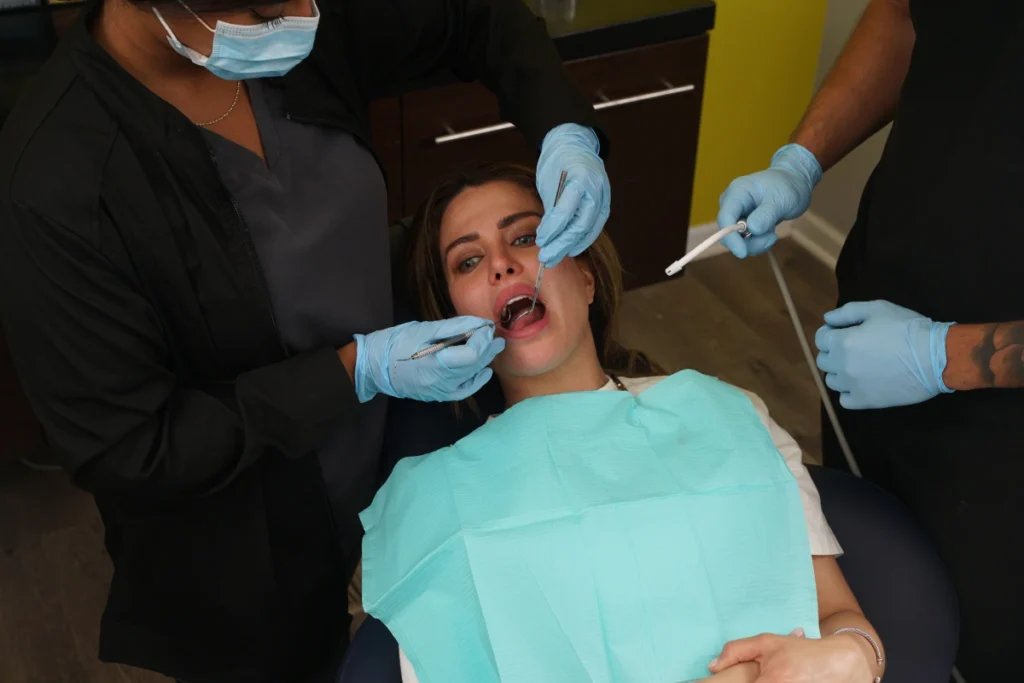
Different types of dental emergencies require different responses. Here’s what to do for some common dental issues:
- Toothache: Rinse your mouth with warm water and floss gently to remove any food particles. Apply a cold compress to the outside of your cheek to reduce swelling. Avoid putting aspirin on the painful area.
- Chipped or Broken Tooth: Save any broken pieces of the tooth. Rinse your mouth with warm water, and if there are sharp edges, cover them with a piece of sugarless gum or wax to prevent injury to your mouth. Apply a cold compress if there’s swelling.
- Knocked-Out Tooth: If a tooth is knocked out, time is crucial. Try to gently place the tooth back into its socket. If you can’t, store the tooth in milk or saline solution (not water) to preserve it. Contact Wicker Park Dental Group immediately. The sooner you act, the better the chance of saving the tooth.
Loose or Lost Filling: If a filling falls out, cover the hole with sugarless gum or wax to protect the area until you can see the dentist.
Step 5: Know When Immediate Care is Required
While many dental emergencies can wait until you see your dentist, some situations require immediate care:
- Severe Pain: If the pain is unbearable and nothing seems to alleviate it, it could indicate an infection or abscess that needs urgent treatment.
- Swelling or Pus: Swelling around the tooth or gums, especially with pus, signals an infection that should be addressed immediately.
- Fractured Jaw: If you experience difficulty moving your jaw or notice severe trauma to your jaw, seek immediate care at a hospital or urgent care center.
Tips for Handling Dental Emergencies for Chicago Residents
Living in Chicago offers its own set of advantages when it comes to handling dental emergencies. Wicker Park Dental Group is conveniently located, making it easy for local residents to access emergency care.
- Public Transit Accessibility: Chicago’s public transportation system can help you get to the dental office quickly. Whether you’re coming from the Loop, Lincoln Park, or nearby neighborhoods, the CTA is an efficient way to avoid traffic and reach our dental office.
- Nearby Landmarks: Wicker Park is a vibrant, walkable neighborhood. If you’re visiting for an emergency, you’ll find plenty of cafes and shops to make the wait a little more comfortable while you receive care.
To get the professional care you need during a dental emergency, Call at: (773) 276-5566 today to schedule your appointment.
FAQs
1. What should I do if my tooth is knocked out?
If your tooth is knocked out, try to reinsert it into its socket gently. If this isn’t possible, keep the tooth in a cup of milk or saline solution. Get to an emergency dentist immediately for the best chance of saving the tooth.
2. How soon should I see a dentist after a dental emergency?
You should see a dentist as soon as possible. The faster you act, the better the outcome. For cases like knocked-out teeth or severe pain, immediate attention is critical.
3. How can I relieve a toothache until I see my dentist?
You can relieve a toothache by rinsing your mouth with warm saltwater, applying a cold compress to your cheek, and taking over-the-counter pain relievers like ibuprofen. Avoid aspirin on the affected area.
4. Can I treat a dental emergency at home?
Some dental emergencies can be temporarily managed at home, such as using pain relievers or applying a cold compress. However, professional dental care is always necessary to ensure the best outcome.
5. Does dental insurance cover emergency visits?
Most dental insurance plans cover emergency visits, but it’s a good idea to check with your provider or the dental office beforehand to confirm your coverage.