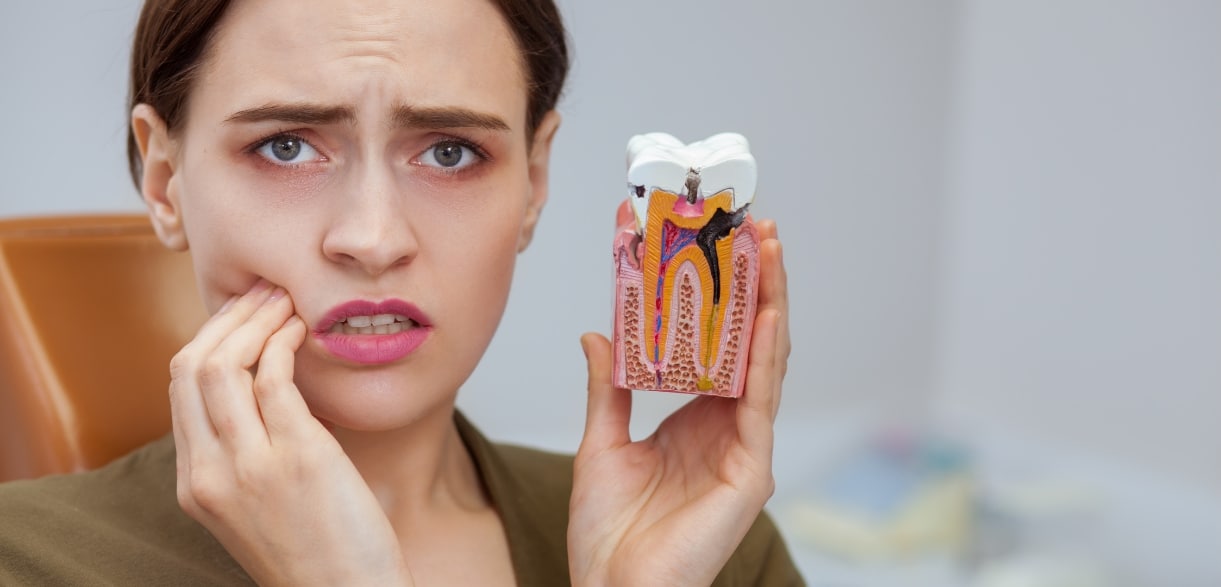


A knocked-out tooth is one of the most alarming dental emergencies you can face — and how you respond in the next 60 minutes can make the difference between saving your tooth and losing it permanently. Whether it happened during a sports game, a fall, or an accident, staying calm and acting quickly is everything.
The good news: dental avulsion (the clinical term for a completely knocked-out tooth) is treatable — and reimplantation is often possible when you get to an emergency dentist fast. At Wicker Park Dental Group, we see patients across Chicago for exactly this kind of urgent dental trauma. Here’s what you need to know.
Is a Knocked-Out Tooth a Dental Emergency?
Yes — without question. A knocked-out permanent tooth is a time-sensitive emergency. According to the American Dental Association (ADA), the window for successful tooth reimplantation is typically 30 to 60 minutes after the injury. After that, the survival rate of the tooth’s ligament cells drops sharply, making reimplantation far less likely to succeed.
Baby teeth are handled differently — a dentist will generally not reimplant a knocked-out primary tooth to avoid damaging the developing permanent tooth underneath. If you’re unsure which type was knocked out, call your dentist immediately.
Step 1: Find the Tooth and Handle It Carefully
Pick the tooth up by the crown (the white chewing surface) — never by the root. The root contains delicate periodontal ligament cells that are essential for reattachment. Touching, scrubbing, or wiping the root can destroy those cells within seconds.
If the tooth is visibly dirty, rinse it gently with clean water for no more than 10 seconds. Do not scrub it, dry it, or wrap it in tissue or cloth.
Step 2: Try to Reinsert the Tooth into the Socket
If you’re able to, gently place the tooth back into the empty socket in the correct orientation. Bite down softly on a clean cloth or gauze to hold it in place while you head to the dentist. Reimplanting the tooth yourself — even temporarily — dramatically improves the chances of successful long-term reimplantation by a dentist.
Don’t force it if it won’t go in easily. Move to Step 3.
Step 3: Store the Tooth in the Right Medium
If you can’t reinsert the tooth, keeping it moist is critical. The best options, in order of preference:
- Between your cheek and gum (saliva is an ideal short-term storage medium)
- Whole milk (the pH and protein content help preserve the ligament cells)
- Saline solution or an emergency tooth preservation kit (available at many pharmacies — look for products containing Hank’s Balanced Salt Solution)
Do not store a knocked-out tooth in tap water. The low osmolarity of plain water damages root cells quickly and reduces reimplantation success rates, according to research published in Dental Traumatology.
Do not store it in a dry container, tissue, or paper towel.
Step 4: Control Bleeding at the Socket
The empty socket will likely bleed. Fold a clean piece of gauze or cloth and bite down firmly on it for 10–15 minutes. Avoid rinsing the mouth vigorously, spitting repeatedly, or using straws — these actions can disrupt clot formation and make bleeding worse.
If bleeding doesn’t slow after 20–30 minutes or is heavy, that’s an additional reason to get to urgent dental care immediately.
Step 5: Get to an Emergency Dentist Within 60 Minutes
This is the step that matters most. Call your emergency dentist the moment the injury happens — even while you’re following the steps above. Time is the single biggest factor in whether a knocked-out tooth can be saved.
At our Chicago office, we prioritize same-day emergency appointments for situations like dental trauma, avulsed teeth, and severe oral injuries. The sooner you’re in the chair, the better your outcome.
When you arrive, your dentist will:
- Evaluate the tooth and socket for damage
- Clean the area carefully
- Reimplant the tooth and stabilize it with a splint bonded to adjacent teeth
- Discuss whether a root canal may be needed (often required within a few weeks of reimplantation)
- Schedule follow-up visits to monitor healing
For longer-term recovery, the Mayo Clinic notes that reimplanted teeth require careful monitoring and may not always survive permanently — but early, expert intervention gives the best possible prognosis.
What If the Tooth Can’t Be Saved?
Sometimes a tooth that’s been out too long, or was severely fractured, cannot be successfully reimplanted. In those cases, your dentist will discuss tooth replacement options, which may include:
- Dental implants — the gold standard for replacing a missing permanent tooth
- Fixed dental bridge — a non-surgical alternative
- Flipper or temporary partial — for short-term aesthetics while you decide on a permanent solution
A missing tooth that goes untreated can lead to bone loss, shifting of neighboring teeth, and bite changes over time. It’s worth having the conversation early, even in the aftermath of trauma.
Knocked-Out Tooth in Chicago? Don’t Wait.
If you or someone you’re with has just had a tooth knocked out, don’t search for answers — call us. Wicker Park Dental Group provides emergency dental care in Chicago for adults and children, including same-day treatment for dental avulsion, tooth fractures, and other urgent oral injuries.
Every minute counts. Call us now, bring the tooth, and let us help you save it.
FAQs
How long do you have to save a knocked-out tooth?
The ADA recommends getting to an emergency dentist within 30 to 60 minutes of the injury. The sooner the tooth is reimplanted by a dental professional, the higher the chance of long-term success. After 60 minutes, ligament cell survival decreases significantly.
Should I put a knocked-out tooth in milk?
Yes — milk is one of the best short-term storage options for an avulsed tooth. Its pH balance and protein content help preserve the delicate root cells. Store the tooth in a small container of whole milk and get to a dentist immediately. Avoid tap water, which can damage root cells.
Can a dentist put a knocked-out tooth back in?
Yes. A dentist can reimplant a knocked-out permanent tooth if it’s handled correctly and you arrive quickly. After reimplantation, the tooth is typically stabilized with a temporary splint. A root canal may be needed within a few weeks. Results vary based on how long the tooth was out and how it was stored.
Is a knocked-out tooth always a dental emergency?
For permanent (adult) teeth — yes, always. It requires immediate professional care. For baby (primary) teeth, reimplantation is generally not recommended, but you should still call your dentist promptly to assess the injury and check for damage to the developing permanent tooth.
What happens if I don’t see a dentist after a tooth is knocked out?
If the tooth is lost permanently and not replaced, the jawbone in that area can begin to deteriorate over time. Neighboring teeth may shift, bite alignment can change, and cosmetic concerns often develop. Even if the tooth can’t be saved, seeing a dentist quickly allows for evaluation and a plan for replacement options like implants or a bridge.