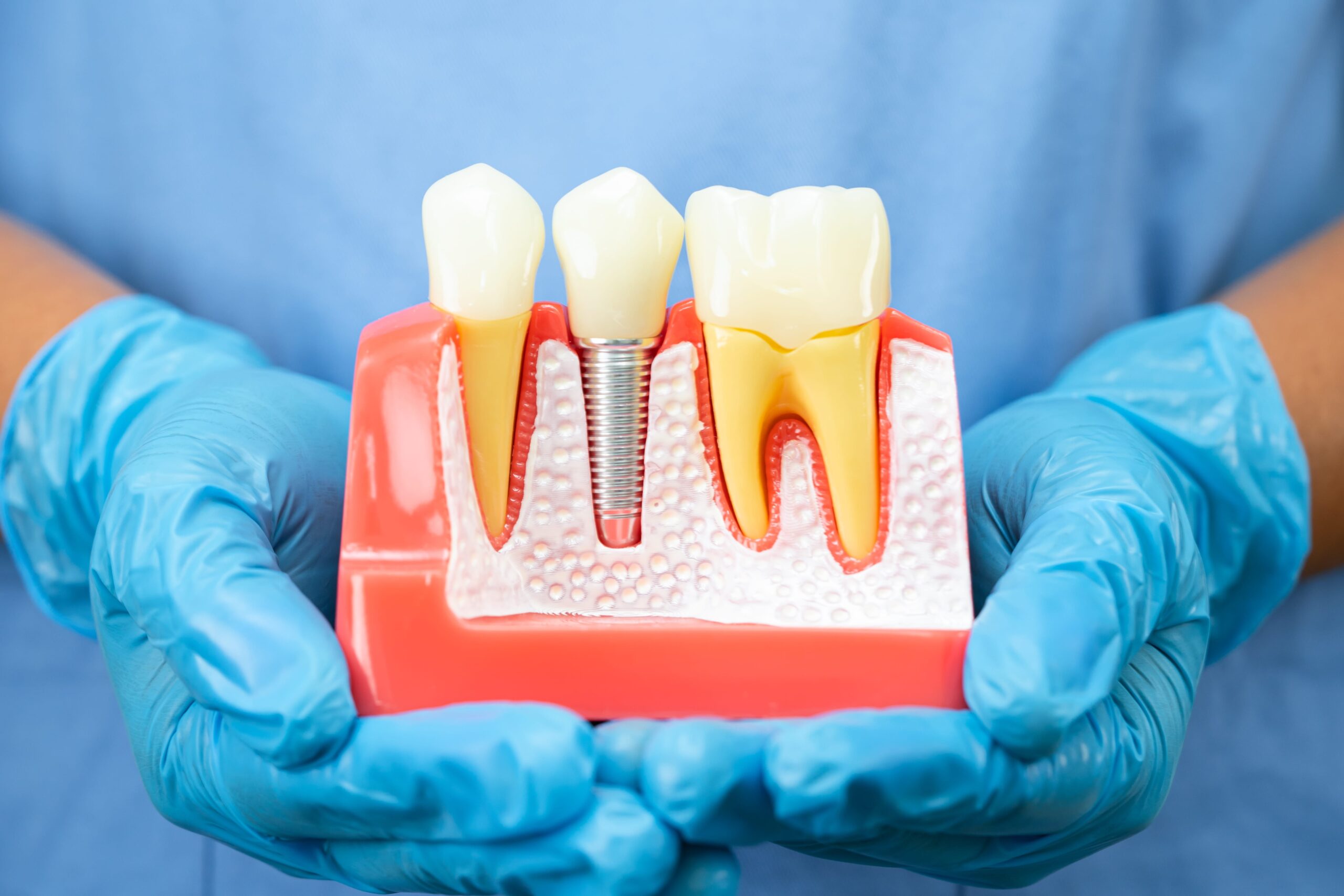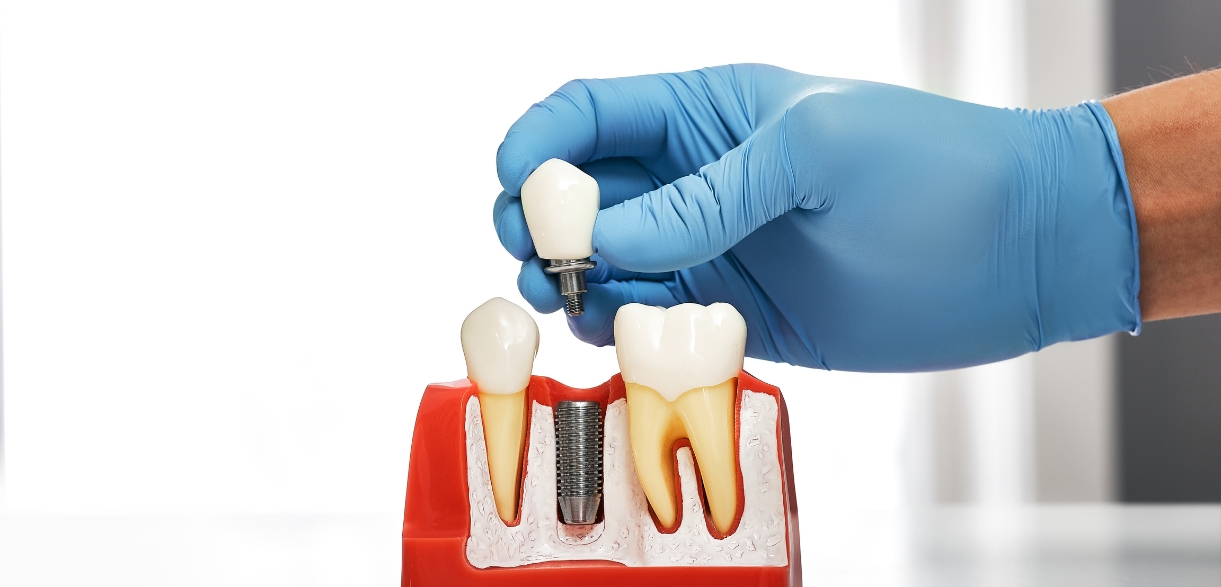

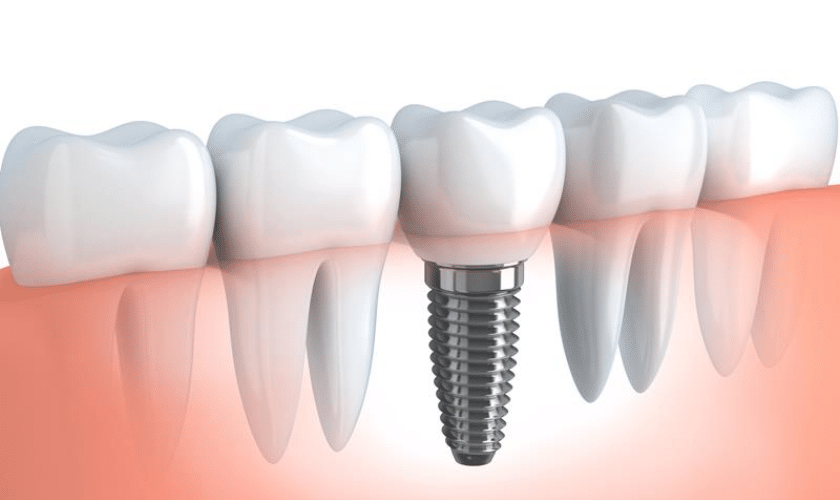
Are you tired of missing out on your favorite foods because of dental issues? Dental implants are a game-changer when it comes to restoring your smile and allowing you to enjoy all the delicious treats life has to offer. But can you eat anything with dental implants? The answer may surprise you! In this blog post, we’ll explore the world of dental implants and discover which foods are safe to indulge in, as well as some tips for maintaining proper oral hygiene. Get ready to sink your teeth into a whole new dining experience with dental implants!
Foods To Avoid Immediately After Getting Dental Implants
After getting dental implants, it’s important to be mindful of the foods you consume during the healing process. While everyone’s recovery may differ slightly, there are some general guidelines to follow when it comes to your diet.
First and foremost, avoid any hard or crunchy foods that can put unnecessary pressure on your newly placed dental implants. This includes items such as nuts, popcorn, and chips. These types of foods can potentially disrupt the healing process and even cause damage to your implants.
Additionally, try to steer clear of sticky or chewy foods that could get stuck in between or around your implants. Foods like caramel candies or chewing gum can be problematic if they adhere too tightly and become difficult to remove without damaging the implant site.
Acidic foods should also be minimized as they can irritate sensitive gum tissue and slow down the healing process. Examples of acidic foods include citrus fruits and juices, tomatoes, vinegar-based dressings, and carbonated beverages.
Hot liquids should be avoided immediately after getting dental implants as they can interfere with blood circulation in the area and increase swelling. It is best to stick with cool or lukewarm beverages until you have fully recovered.
Remember that these dietary restrictions are temporary but crucial for a successful implant recovery period. Your dentist will provide specific instructions based on your unique situation, so always consult them for guidance on what’s safe for you to eat during this time.
Foods that are safe to eat with dental implants
When it comes to eating with dental implants, certain foods are safe and won’t cause any harm or discomfort. These foods can help you maintain a healthy diet while adjusting to your new dental implants.
Soft foods such as yogurt, mashed potatoes, scrambled eggs, and cooked vegetables are great options. They require minimal chewing and won’t put too much pressure on your dental implants. Additionally, soups and broths are also safe choices as they don’t require much chewing at all.
Next, lean proteins like fish and tofu are excellent sources of nutrition that can be easily enjoyed with dental implants. Just make sure to cook them thoroughly so they’re tender enough to chew comfortably.
In terms of fruits and vegetables, opt for softer options like bananas, avocados, steamed carrots or broccoli. These provide essential vitamins without putting strain on your dental implants.
It’s important to avoid hard or sticky foods that can damage your dental implants or get stuck in between teeth. This includes nuts, popcorn, chewing gum, candy, apples, etc. Remember always to use caution when choosing what you eat until you fully adjust to your new teeth!
By following these guidelines and maintaining proper oral hygiene practices, you can enjoy a wide variety of delicious foods while still taking care of your dental implants!
The importance of proper oral hygiene with dental implants
Proper oral hygiene is crucial for maintaining the health and longevity of dental implants. While implants are designed to be durable and resistant, they still require regular care, just like natural teeth. Neglecting oral hygiene can lead to complications such as gum disease, infection, and even implant failure.
To keep your dental implants in great shape, it’s important to follow a consistent oral hygiene routine. This includes brushing your teeth at least twice a day with a soft-bristle toothbrush and fluoride toothpaste. Be sure to pay extra attention to areas around the implant where bacteria can easily accumulate.
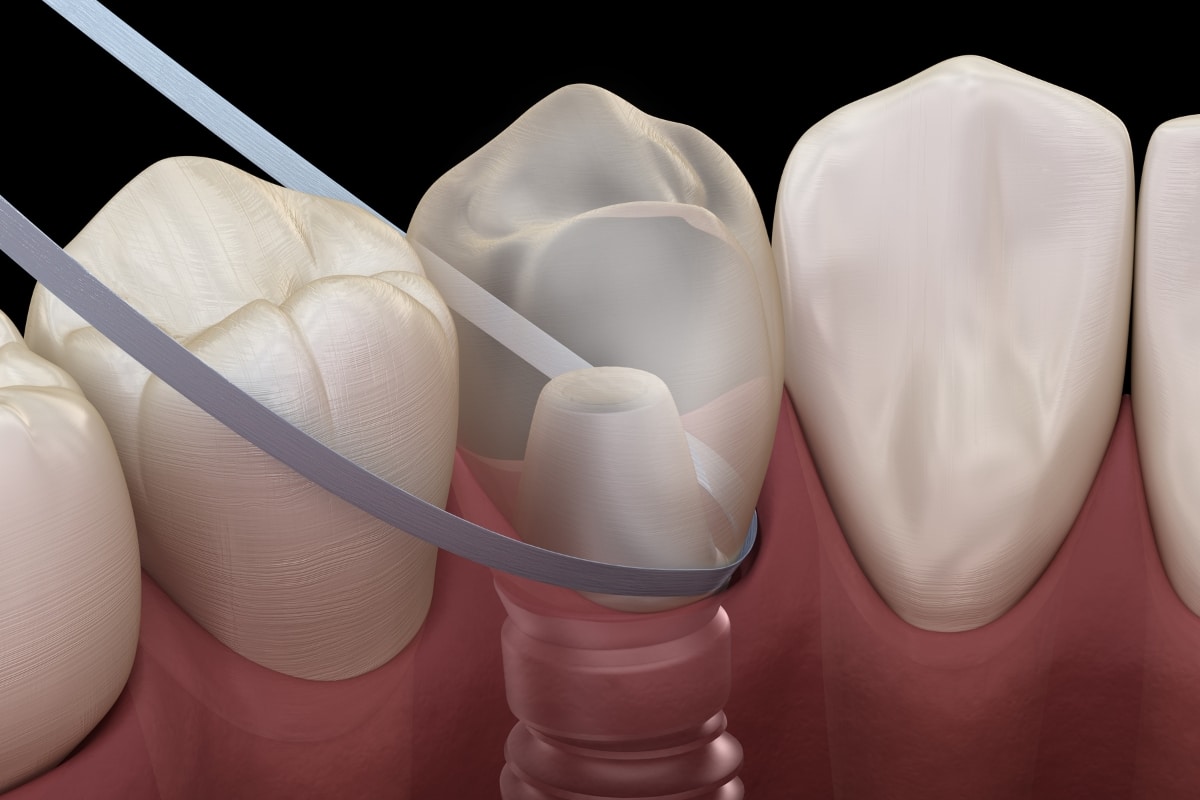
In addition to brushing, don’t forget about flossing! Using dental floss or interdental brushes helps remove plaque and food particles from between your teeth and around the implant area. Regularly visiting your dentist for professional cleanings is also essential, as they have specialized tools that can effectively clean hard-to-reach areas.
It’s worth noting that some traditional oral hygiene products may not be suitable for use with dental implants. Your dentist may recommend specific products such as antimicrobial mouthwashes or non-abrasive toothpaste formulated for implant care.
Maintaining proper oral hygiene not only promotes overall oral health but also ensures the long-term success of your dental implants. So make it a priority to take care of your new smile by following good oral hygiene practices!
Tips for maintaining a healthy diet while adjusting to dental implants
Adjusting to dental implants can initially be a bit challenging, but with the right approach, maintaining a healthy diet becomes much easier. Here are some tips to help you navigate this adjustment period and ensure your diet supports the healing process of your dental implants.
It’s important to focus on soft foods in the initial stages after getting dental implants. Foods like mashed potatoes, yogurt, smoothies, and soups can provide essential nutrients while being gentle on your implant site. Incorporating protein-rich options such as eggs or tofu will aid in tissue repair and promote faster recovery.
As you gradually progress in your healing journey, you can start introducing more solid foods into your diet. However, it is crucial to avoid hard or sticky foods that may strain or dislodge the implant. Opt for cooked vegetables instead of raw ones, and choose lean meats that are easy to chew.
To maintain optimal oral health during this time, make sure to practice good oral hygiene habits. Brush gently around the implant area using a soft-bristled toothbrush and floss carefully between teeth daily. This will prevent food particles from getting stuck near the implant site and reduce the risk of infection.
It’s also advisable to avoid excessive alcohol consumption as it can hinder proper healing by interfering with medications or causing dehydration. Instead, stay hydrated by drinking plenty of water throughout the day.
Common misconceptions about eating with dental implants
- Misconceptions about eating with dental implants can sometimes lead to unnecessary restrictions and concerns. One common misconception is that you cannot eat any solid foods with dental implants. This is simply not true! Dental implants are designed to function just like natural teeth, allowing you to enjoy a wide variety of foods.
- Another misconception is that chewing on the implant side should be avoided altogether. While it’s important to initially avoid putting too much pressure on the implant site during the healing process, once fully healed, you should feel comfortable chewing on both sides of your mouth.
- Some people believe that sticky or hard foods should be completely avoided with dental implants. While it’s wise to exercise caution with extremely sticky or hard foods as they may put undue stress on your implant, many individuals are able to enjoy these types of foods without any issues.
- There is also a belief that dental implants require special dietary changes or restrictions. In reality, there are very few limitations when it comes to what you can eat with dental implants. As long as you maintain good oral hygiene and practice regular care for your new teeth, there shouldn’t be major changes required in your diet.
- It’s important not to let misconceptions limit your enjoyment of food after getting dental implants. By following proper oral hygiene practices and listening to your dentist’s recommendations, you can continue enjoying a diverse and healthy diet while reaping all the benefits of having stable and functional teeth.
Dental implants provide a long-lasting and natural-looking solution for individuals who have lost one or more teeth. While the initial healing period may require some dietary adjustments, such as avoiding hard or sticky foods, there are still plenty of delicious options available to enjoy.
Remember to prioritize proper oral hygiene practices when caring for your dental implants. Brushing twice a day, flossing regularly, and visiting your dentist for regular check-ups are essential in maintaining the health and longevity of your implants.
With time and practice, you’ll become comfortable with eating various foods while wearing dental implants. Don’t let any misconceptions deter you from savoring all the flavors life has to offer!
If you have any concerns about specific dietary restrictions or recommendations regarding your dental implant journey, it’s always best to consult with your dentist or oral surgeon. They can provide personalized advice based on your unique situation.
So go ahead – take a bite out of life with confidence! Dental implants allow you to indulge in your favorite foods without worrying about discomfort or embarrassment. Enjoy every meal, knowing that your smile is not only restored but thriving thanks to this remarkable tooth replacement option.