
Losing a tooth can be a distressing experience, affecting not only your smile but also your confidence, ability to chew, and overall oral health. Traditional solutions such as dentures and bridges have long been used to address missing teeth, but they come with their own set of challenges and limitations. Enter dental implants—a modern, long-term solution that offers a host of benefits over traditional methods.
Understanding Dental Implants
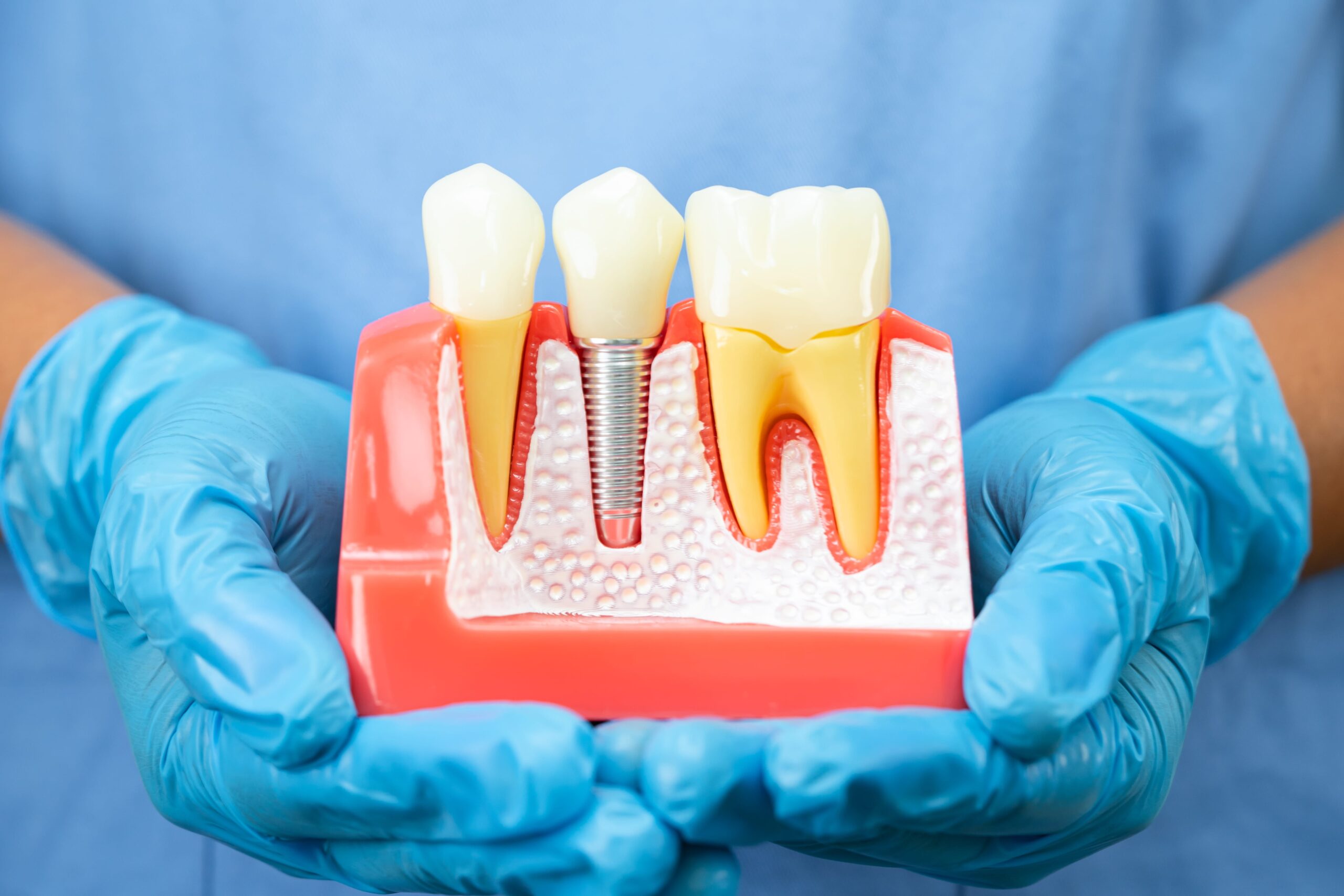
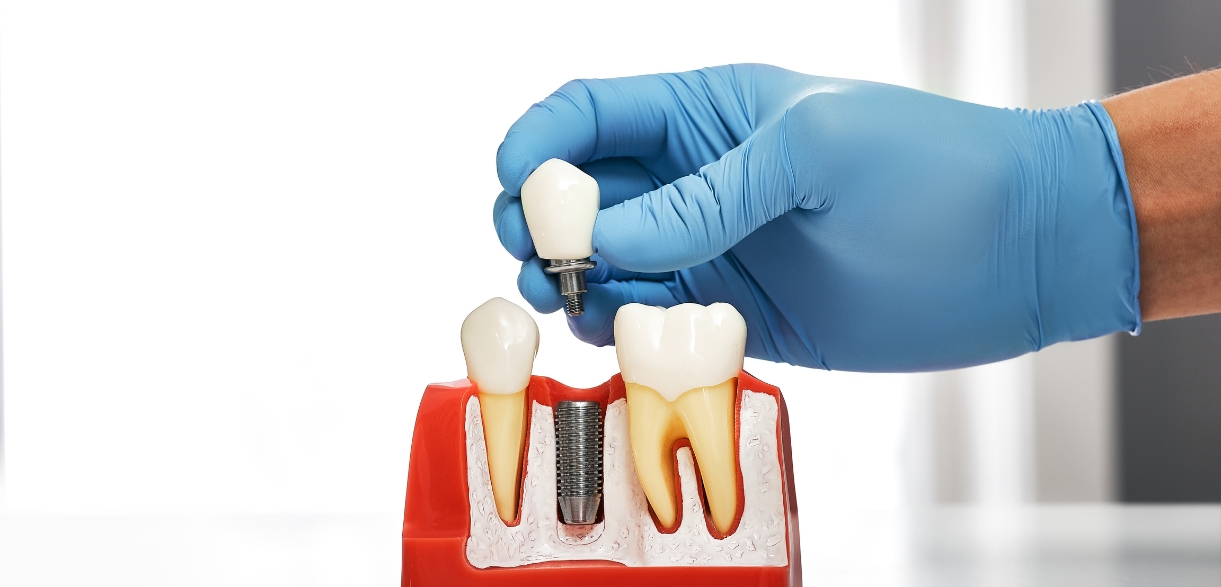
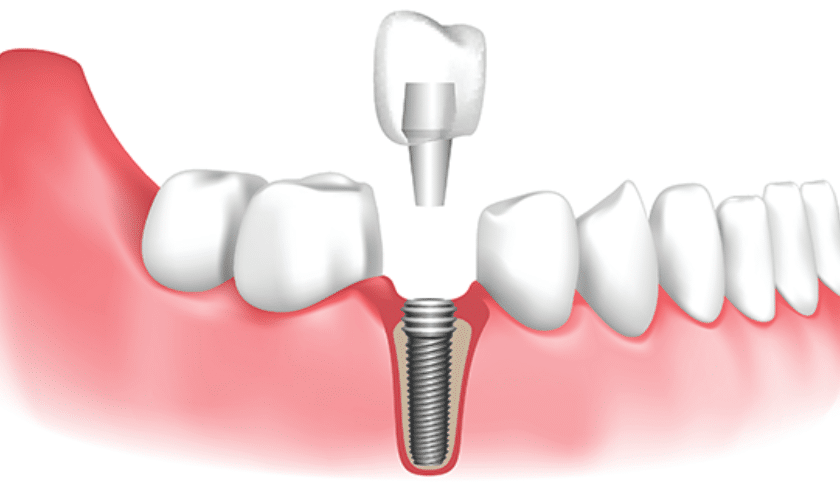
A dental implant is essentially an artificial tooth root, usually made from titanium, that is surgically placed into the jawbone. This implant serves as a sturdy foundation for a replacement tooth or bridge. The process of getting a dental implant involves several stages:
- Initial Consultation and Planning: A thorough examination, including X-rays and possibly CT scans, is conducted to assess the condition of the jawbone and plan the placement of the implant.
- Implant Placement: The implant is surgically inserted into the jawbone. This minor surgery is typically performed under local anesthesia, though sedation options are available for anxious patients.
- Osseointegration: Over the next few months, the jawbone grows around the implant, integrating it securely into the bone. This process, known as osseointegration, is crucial for the stability and longevity of the implant.
- Abutment Placement: Once osseointegration is complete, an abutment—a small connector—is attached to the implant. This will hold the replacement tooth.
- Crown Placement: Finally, a custom-made crown, designed to match the color and shape of your natural teeth, is attached to the abutment.
The Advantages of Dental Implants
1. Longevity and Durability
One of the most significant advantages of dental implants is their longevity. With proper care, dental implants can last a lifetime, making them a cost-effective solution in the long run. Unlike dentures and bridges, which may need frequent adjustments or replacements, implants are designed to be a permanent solution.
2. Natural Look and Feel
Dental implants are designed to look, feel, and function like natural teeth. The crowns are custom-made to blend seamlessly with your existing teeth, ensuring that your smile looks as natural as possible. This natural appearance boosts confidence and self-esteem, allowing you to smile, eat, and speak without worrying about noticeable gaps or artificial-looking replacements.
3. Improved Oral Health
Traditional tooth-supported bridges require the reduction of adjacent teeth, which can compromise their strength and health. In contrast, dental implants do not require altering neighboring teeth, thus preserving the integrity of your natural teeth. Additionally, implants stimulate the jawbone, preventing bone loss and maintaining the structure of your face. This is a crucial benefit, as bone loss can lead to a sunken, aged appearance over time.
4. Enhanced Comfort and Functionality
Unlike removable dentures, which can slip and cause discomfort, dental implants are securely anchored in the jawbone. This stability allows for better chewing efficiency and speech. With implants, you can enjoy your favorite foods without restriction and speak clearly without worrying about your teeth shifting or slipping.
5. Convenience and Easy Maintenance
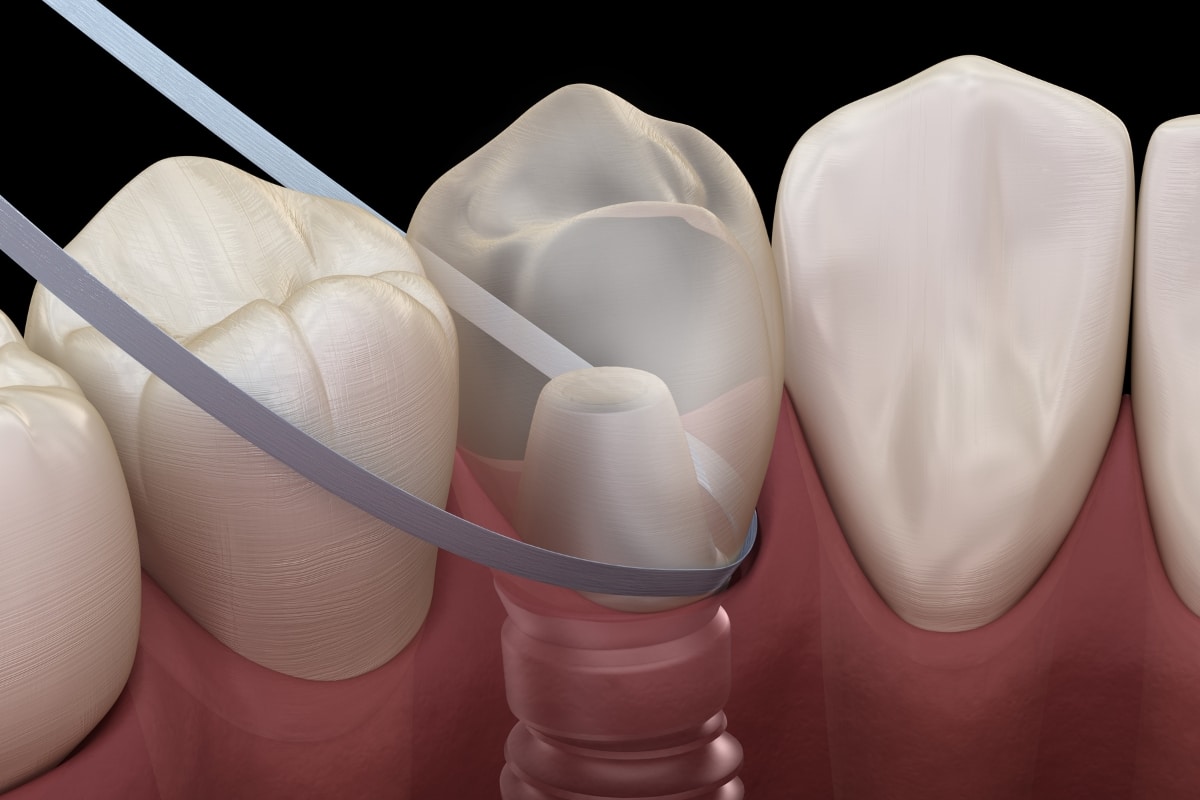
Dental implants eliminate the inconvenience of removable dentures, which require adhesives and special cleaning routines. Implants can be cared for just like natural teeth—regular brushing, flossing, and routine dental check-ups are all that’s needed to maintain their health and appearance. This ease of maintenance makes implants a hassle-free solution for missing teeth.
Who Can Benefit from Dental Implants?
Dental implants are an excellent option for most adults who are missing one or more teeth. However, certain factors must be considered to determine if a patient is a good candidate:
- Adequate Bone Density: Sufficient bone density in the jaw is necessary to support the implant. For patients with bone loss, bone grafting procedures may be required to build up the bone before implant placement.
- Good Oral Health: Healthy gums and overall oral health are essential for successful implant placement. Patients should be free of gum disease and other oral infections.
- Commitment to Oral Hygiene: Good oral hygiene practices are crucial to the long-term success of dental implants. Patients must be committed to maintaining their implants through regular brushing, flossing, and dental visits.
- Non-Smokers: Smoking can impair the healing process and increase the risk of implant failure. Non-smokers generally have a higher success rate with dental implants.
Potential Risks and Considerations
While dental implants have a high success rate (up to 98%), they are not without risks. Some potential complications include:
- Infection: As with any surgical procedure, there is a risk of infection at the implant site.
- Nerve Damage: This is rare but can occur if the implant is placed too close to a nerve, leading to pain or numbness.
- Sinus Issues: For implants placed in the upper jaw, there is a risk of sinus perforation.
To minimize these risks, it is crucial to choose a skilled and experienced dental professional to perform the procedure. Proper planning and precise execution are key to the success of dental implants.
The Future of Dental Implants
Advancements in technology continue to improve the field of dental implants. Innovations such as 3D imaging and computer-guided implant placement allow for more accurate and less invasive procedures. Additionally, research into new materials and techniques promises to make implants even more durable and cost-effective.
Regenerative medicine and stem cell research hold exciting potential for the future of dental implants. These fields aim to enhance bone growth and improve the integration of implants, potentially reducing healing times and increasing success rates.
Conclusion
Dental implants represent a significant advancement in restorative dentistry, offering a long-term, reliable solution for missing teeth. Their numerous benefits, including durability, natural appearance, improved oral health, and enhanced comfort, make them an attractive option for those seeking to restore their smile and quality of life. As technology continues to evolve, the future of dental implants looks promising, with ongoing innovations set to make them even more effective and accessible.