
Living in a busy city like Chicago, it’s easy to push dental care aside until something really starts to bother you. Maybe you’ve been dealing with missing teeth for a while, or you finally decided to go ahead with full mouth implants after years of discomfort, difficulty eating, or feeling self-conscious when you smile.
But once the procedure is done, a new question usually comes up: What happens next?
The recovery period can feel a little uncertain at first. You might notice some swelling, slight discomfort, or even wonder how long it will take before everything feels normal again. The truth is, healing after full mouth implants is a gradual process, and every stage plays an important role in getting you back to eating, speaking, and smiling with confidence.
For many patients across Chicago, especially those balancing work, commuting, and daily responsibilities, understanding this recovery journey makes a big difference. Knowing what to expect helps you stay prepared, avoid unnecessary worry, and focus on healing the right way.
What to Expect During the Healing Process?
The recovery journey after full mouth implants has distinct stages. Here’s what you need to know:
1. Immediate Recovery Phase (First Week)
- Swelling and Bruising: These are normal and typically subside within a week. Applying a cold compress during the first 48 hours helps.
- Diet Restrictions: Stick to soft foods and avoid anything spicy, crunchy, or hot.
- Pain Management: Mild discomfort is expected but can be managed with prescribed medications or over-the-counter pain relievers.
2. Mid-Healing Phase (2–6 Months)
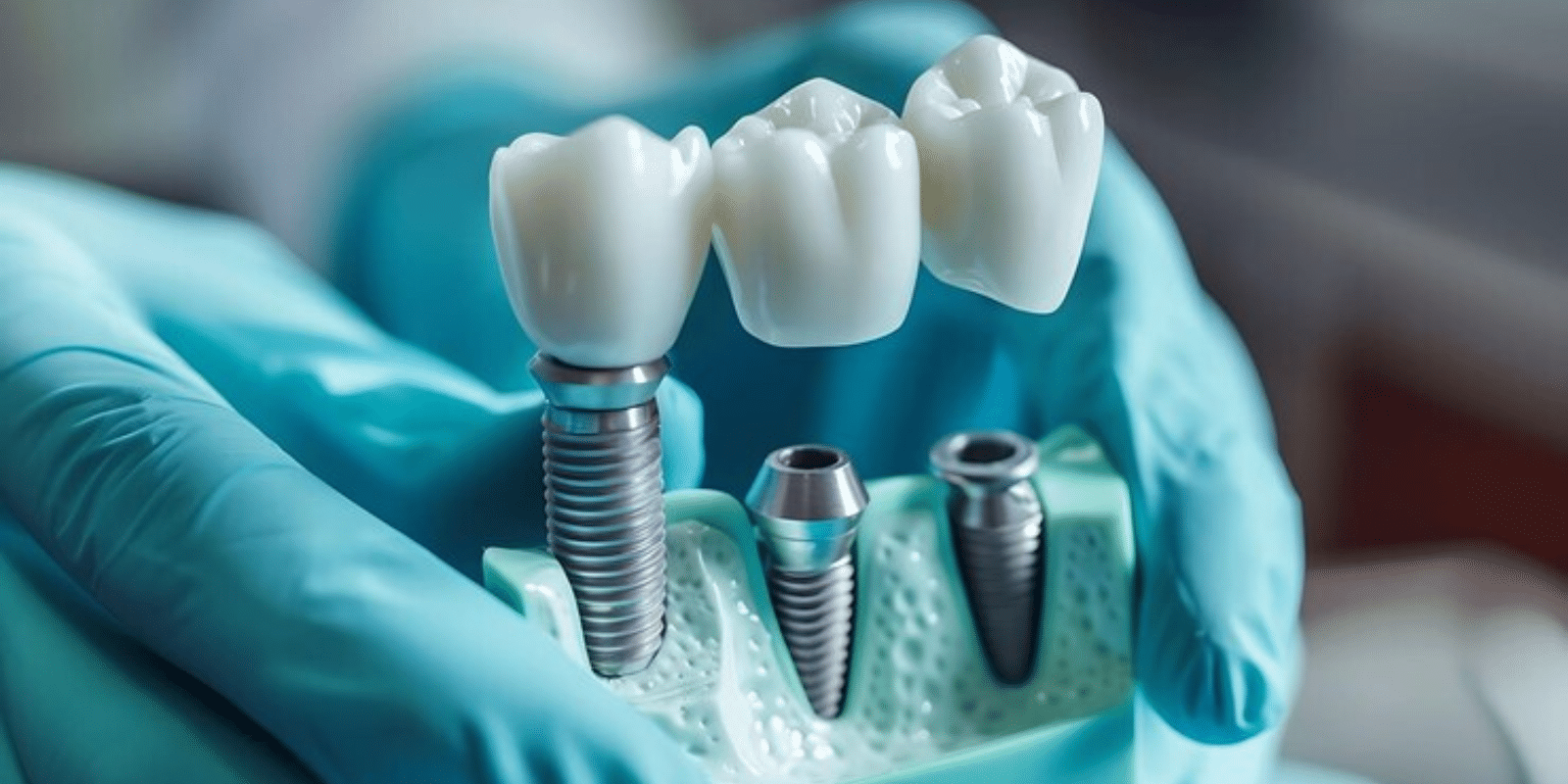
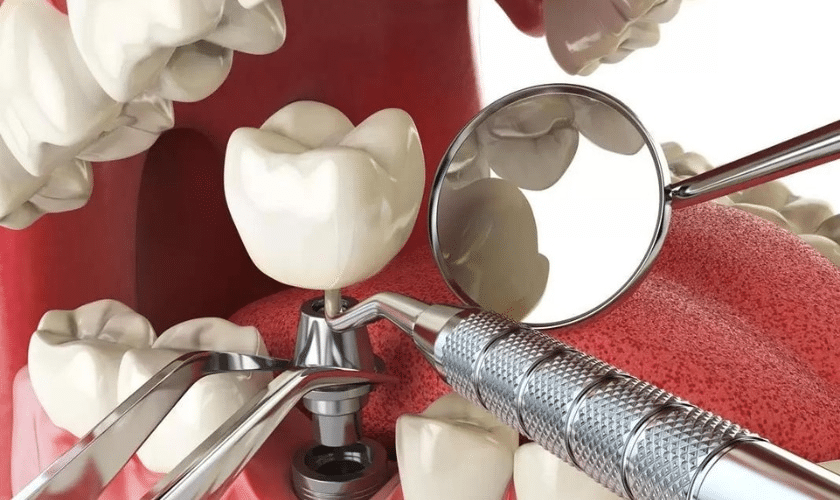
- Osseointegration: This process involves the implants fusing with your jawbone, creating a solid foundation.
- Routine Check-Ups: Regular visits to your dentist ensure everything is progressing as it should.
- Mild Discomfort: Some sensitivity may persist, but it gradually improves.
3. Final Healing Phase (After 6 Months)
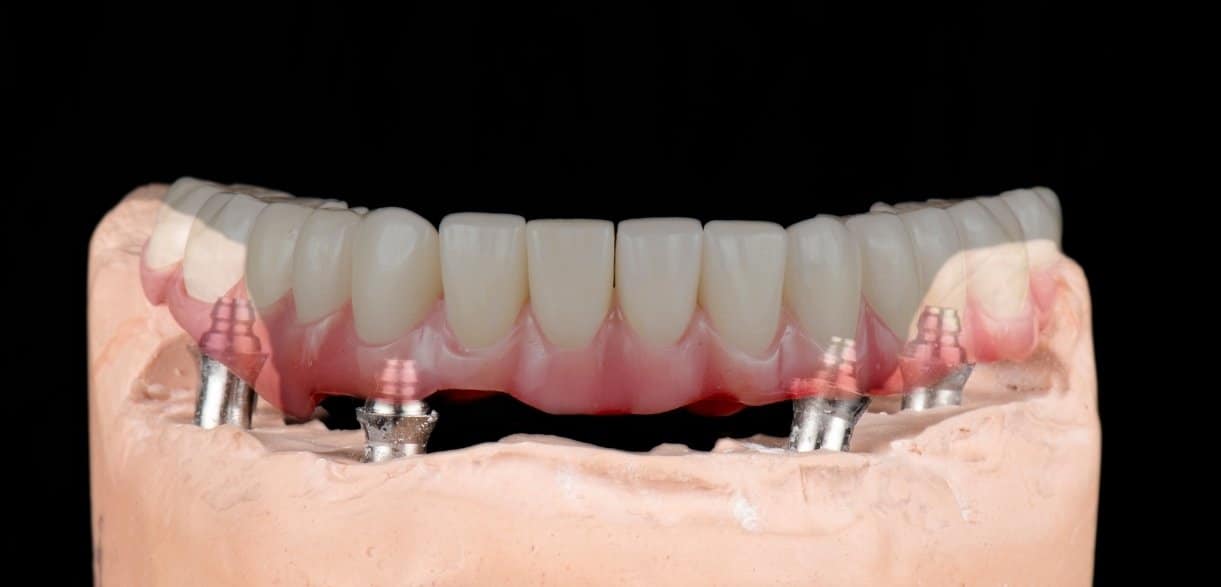
- Stabilization: By this time, your gums and implants should be fully healed.
- Adjustments: Your dentist may fine-tune the prosthetics for comfort and functionality.
Patience is crucial during each stage, but proper care will make the journey smoother.
Recovery Tips After Full Mouth Implants
Following the right recovery tips after full mouth implants can help you heal efficiently. Here are some practical guidelines:
1. Follow Your Dentist’s Instructions
- Carefully adhere to all post-procedure guidelines, including medication schedules and oral care routines.
- Avoid touching the surgical area with your fingers or tongue.
2. Manage Swelling and Pain
- Apply an ice pack to your cheeks for 15–20 minutes at a time during the first two days.
- Take prescribed painkillers or anti-inflammatory medications to ease discomfort.
3. Keep Your Mouth Clean
- Gently brush your teeth with a soft-bristled toothbrush.
- Rinse with warm salt water (1 teaspoon of salt in 8 ounces of water) twice daily to keep the area clean.
- Avoid using mouthwash with alcohol, as it can irritate healing tissues.
4. Eat Soft and Nutritious Foods
- Stick to a diet of soft foods like yogurt, mashed potatoes, scrambled eggs, and smoothies.
- Avoid hard, sticky, or crunchy foods that could disturb the implants.
- Gradually reintroduce firmer foods after consulting your dentist.
5. Stay Hydrated
- Drink plenty of water to keep your body hydrated and promote healing.
- Avoid alcohol, caffeinated beverages, and carbonated drinks during the initial recovery period.
6. Rest and Avoid Physical Strain
- Limit physical activity for at least 72 hours after surgery.
- Sleep with your head elevated to reduce swelling and improve circulation.
7. Monitor Your Progress
- Look out for signs of infection, such as excessive swelling, severe pain, or unusual discharge.
- Contact your dental office immediately if you notice anything concerning.
Long-Term Care for Full Mouth Implants
Once the initial healing phase is over, maintaining your implants is essential for their longevity. Here are some tips:
1. Maintain Good Oral Hygiene
- Brush your teeth twice daily using a non-abrasive toothpaste.
- Use an interdental brush or water flosser to clean between the implants.
2. Visit Your Dentist Regularly
- Schedule routine check-ups to monitor the health of your implants and gums.
- Professional cleanings help remove plaque buildup and maintain your oral health.
3. Avoid Harmful Habits
- Quit smoking, as it can delay healing and increase the risk of implant failure.
- Refrain from biting or chewing on hard objects like pens, ice, or nails.
4. Eat a Balanced Diet
- Include calcium-rich foods like milk, cheese, and leafy greens to strengthen your jawbone.
- Limit sugary snacks and beverages to reduce the risk of gum disease.
By following these practices, you can enjoy a healthy, functional smile for years.
Healing Takes Patience and Care
The recovery tips after full mouth implants discussed here can guide you through each stage of healing. By focusing on proper care, maintaining hygiene, and following your dentist’s advice, you can ensure a smooth recovery. A little patience and consistent care will lead to lasting results, allowing you to enjoy the benefits of your implants for years to come.
People Also Ask: Recovery After Full Mouth Implants
How long does it take to heal after full mouth implants?
Initial healing usually takes a few weeks, but full healing can take a few months.
What can I eat after getting full mouth implants?
Stick to soft foods at first, then slowly return to normal foods as healing improves.
Is swelling normal after implant surgery?
Yes, mild swelling is common for a few days after the procedure.
How do I manage pain after the procedure?
Follow your dentist’s advice and use prescribed or recommended pain relief.
When can I go back to work after full mouth implants?
Most people return within a few days, depending on how they feel.
Can I brush my teeth after implant surgery?
Yes, but gently and avoid the treated area at first.
What should I avoid during recovery?
Avoid hard foods, smoking, and heavy physical activity for a few days.
How do I know if something is wrong during healing?
Severe pain, heavy bleeding, or swelling that gets worse should be checked by your dentist.