
Getting a dental implant, particularly for just one tooth, can be surprisingly expensive, and many patients find themselves questioning the costs involved. In this blog, we’ll delve into the reasons behind the high cost of a single tooth implant, exploring factors such as the materials used, the technology involved, the expertise of the dental professionals, and the overall benefits of choosing an implant over other dental procedures.
Understanding Dental Implants
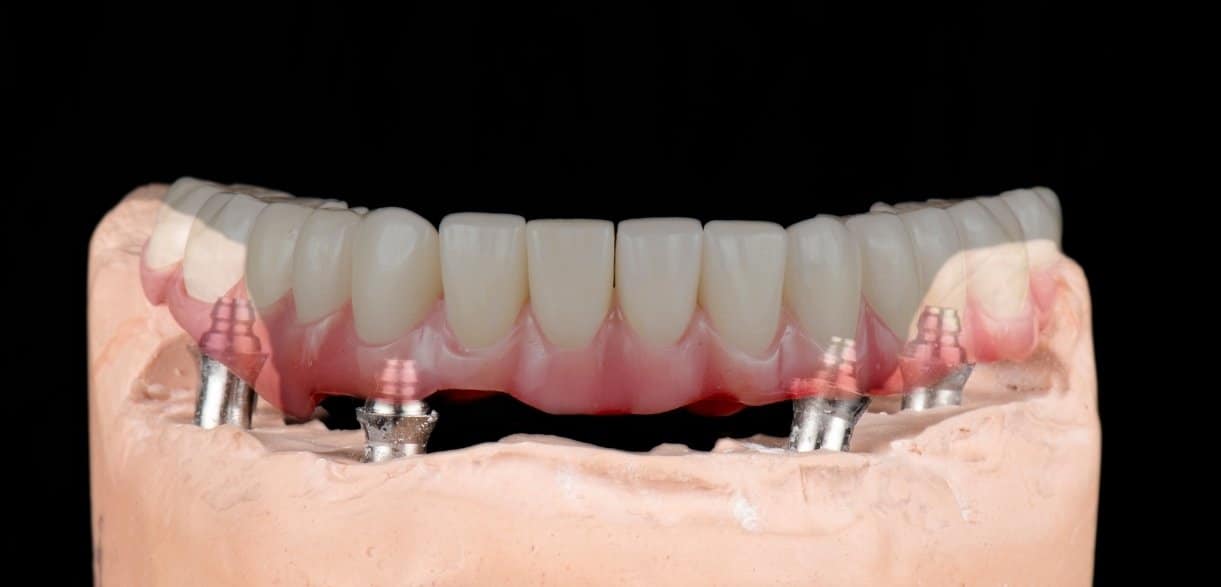
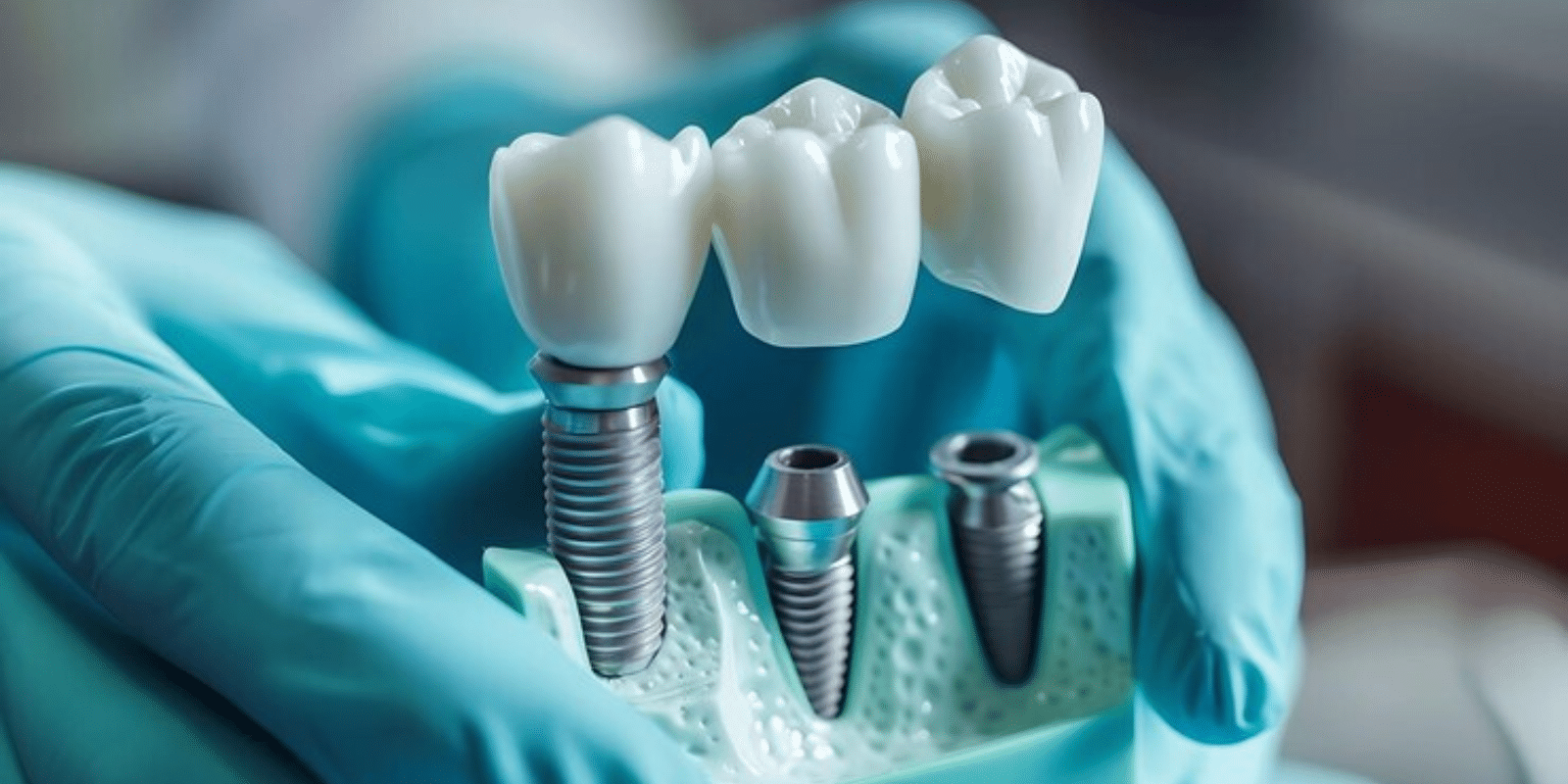
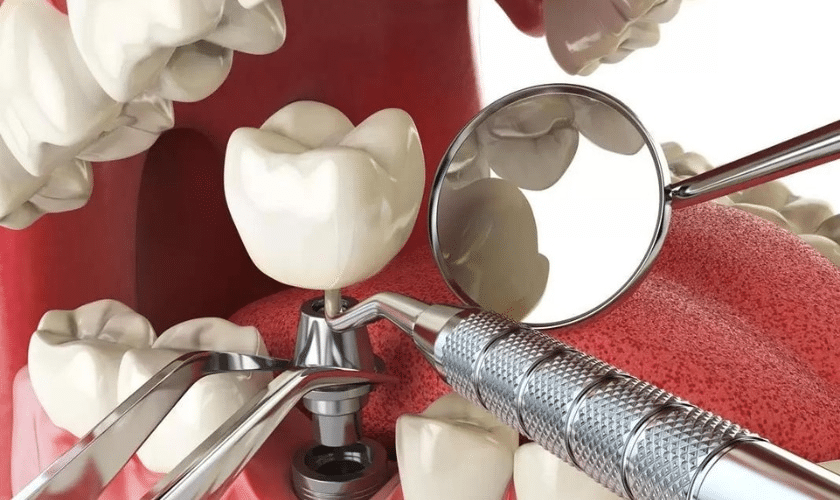
A dental implant is a high-tech solution for replacing missing teeth. It typically consists of three components: the implant itself, a metal post usually made of titanium; the abutment, which is attached to the implant and supports the crown; and the crown, which is custom-made to match your natural teeth. The process of installing a dental implant involves several stages, including surgery, healing periods, and the placement of the crown.
The Cost Factors of Dental Implants
- Materials: Dental implants are made from high-quality, biocompatible materials like titanium and zirconia. These materials are costly, but they are chosen for their durability and their ability to integrate with bone, a process known as osseointegration.
- Technology: The process of implanting a tooth requires precise technology. Advanced imaging techniques, such as 3D scans, are used to plan the implant placement meticulously. These scans ensure that the implant integrates perfectly with the jawbone, avoiding nerves and maximizing stability.
- Surgical Procedure: The procedure itself is complex and requires a sterile, surgical setting which involves additional costs. The surgery must be performed by a skilled oral surgeon or a periodontist with specialized training in implant placement.
- Expertise: Dental specialists, such as oral surgeons and periodontists, undergo many years of additional training beyond dental school. Their expertise is crucial for a successful implantation, especially in complex cases where patients may have underlying oral health issues.
- Customization: Each part of the implant is custom-made to fit perfectly in the patient’s mouth. The crown must be crafted to match the color and shape of the surrounding teeth, providing a natural appearance. This customization involves both time and labor, adding to the cost.
- Longevity and Effectiveness: Dental implants are a long-term investment in oral health. They are designed to last a lifetime with proper care, unlike dentures or bridges, which may need to be replaced every 5 to 10 years. This durability justifies the upfront cost.
- Preparatory Treatments: Some patients require additional procedures before they can receive an implant, such as bone grafts or treatment for gum disease. These treatments add to the overall cost but are essential for ensuring the long-term success of the implant.
- Insurance and Coverage: Often, dental insurance does not fully cover the cost of dental implants, considering them a cosmetic procedure. This lack of coverage means that patients must often pay a significant portion out-of-pocket.
Conclusion
While the cost of a single tooth implant may seem high, it’s important to consider the sophisticated technology, skilled professionals, and the long-term benefits involved. Dental implants offer a durable, functional, and aesthetic solution to tooth loss, which can significantly improve a patient’s quality of life. For those considering a dental implant, discussing all options with a dental professional can help in making an informed decision that balances cost with benefits.