
Dental implants are a popular and effective solution for replacing missing teeth, offering a natural look and feel that can last a lifetime. However, just like your natural teeth, dental implants require proper care and maintenance to ensure their longevity. By following the right care routine, you can protect your investment and enjoy a healthy, beautiful smile for years to come.
In this comprehensive guide, we’ll explore the essential steps for caring for your dental implants, including daily oral hygiene practices, dietary considerations, and regular dental check-ups. Whether you’re new to dental implants or looking to improve your care routine, this guide will help you maintain the health and appearance of your implants.
Understanding Dental Implants
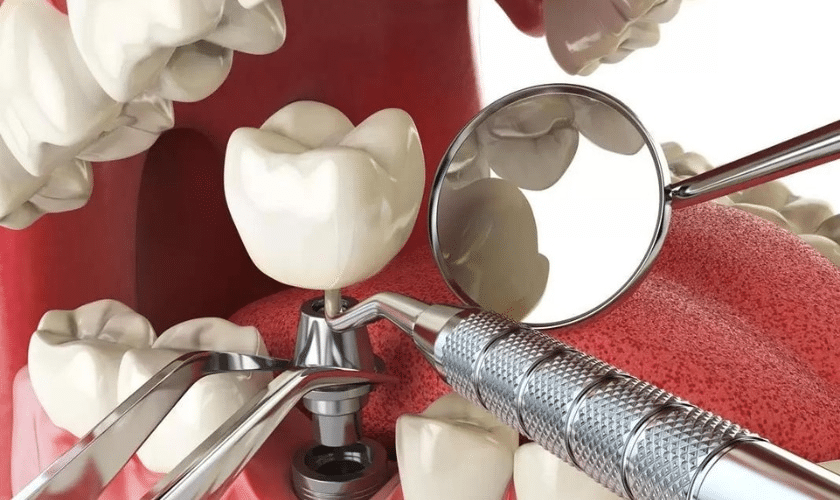
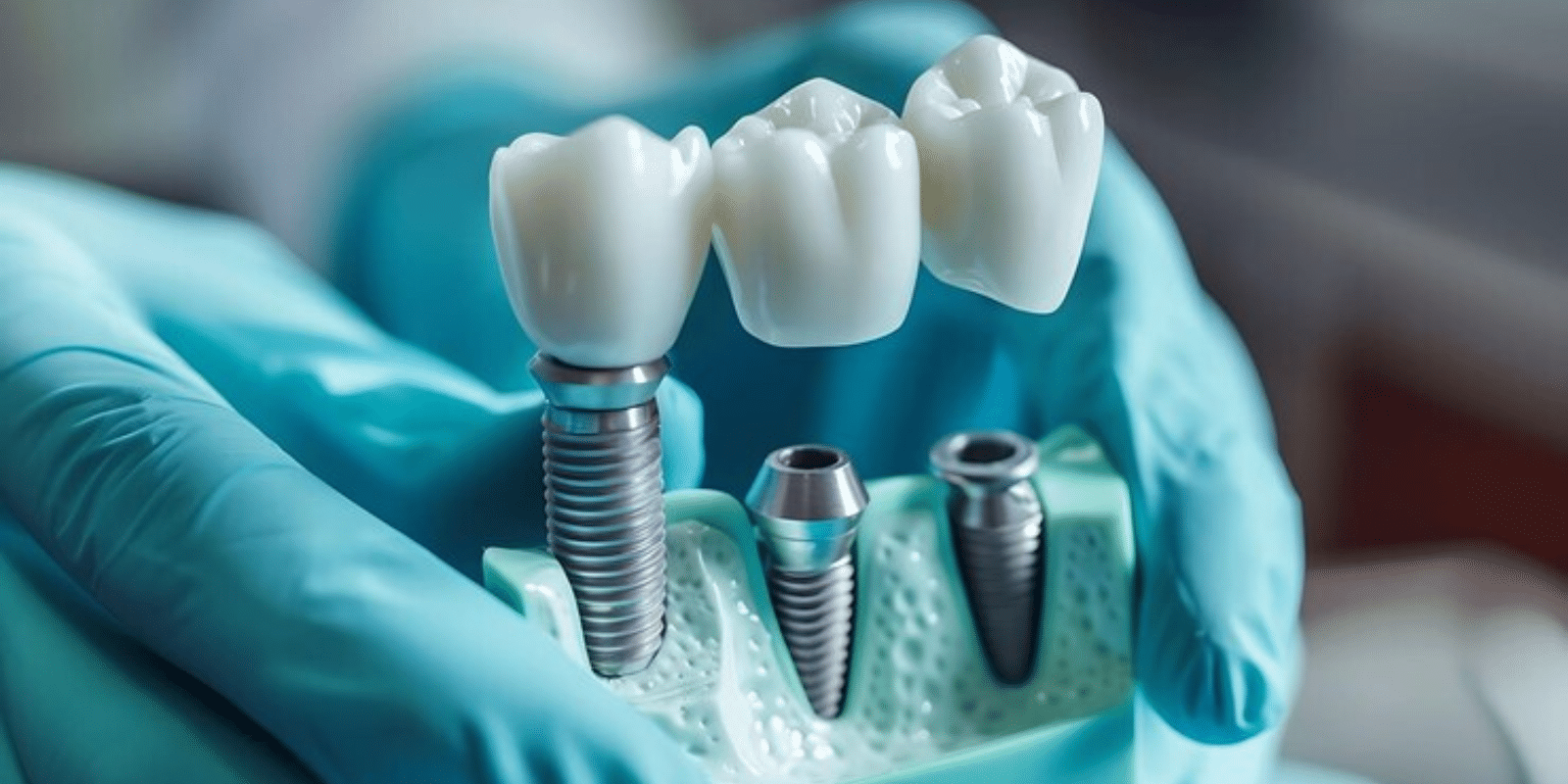
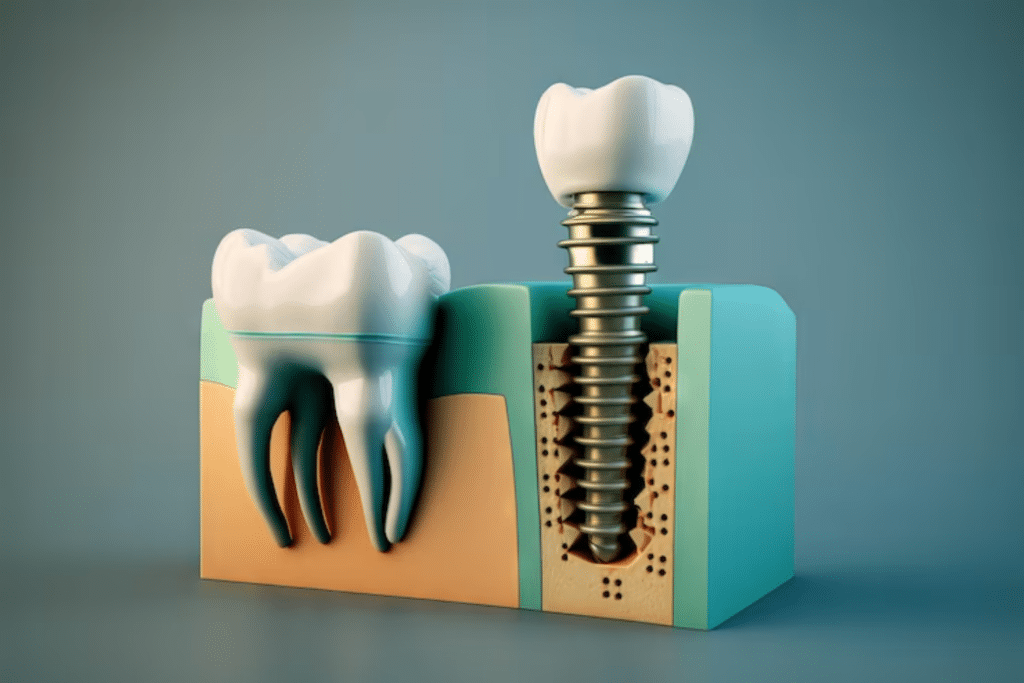
Before diving into the care tips, it’s important to understand what dental implants are and how they work. A dental implant consists of three main components:
- Implant Post: A titanium post that is surgically inserted into the jawbone, acting as a replacement for the tooth root.
- Abutment: A connector that attaches the implant post to the artificial tooth.
- Crown: The visible part of the implant that looks and functions like a natural tooth.
Dental implants are designed to be a permanent solution for missing teeth, with the implant post-fusing with the jawbone over time through a process called osseointegration. This creates a stable foundation for the crown, allowing it to function just like a natural tooth.
Why Proper Care is Crucial for Dental Implants
While dental implants are highly durable, they are not immune to issues such as peri-implantitis (a type of gum disease that affects implants) or mechanical damage. Without proper care, these issues can compromise the stability of the implant, leading to discomfort, infection, or even implant failure.
Proper care of your dental implants not only helps prevent complications but also ensures that your implants remain functional and aesthetically pleasing for many years. The following sections will outline the key aspects of implant care.
Daily Oral Hygiene for Dental Implants
Maintaining a consistent oral hygiene routine is essential for the longevity of your dental implants. Here are some key practices to incorporate into your daily routine:
1. Brush Your Teeth Twice a Day
Brushing your teeth twice a day is the foundation of good oral hygiene, and it’s just as important for dental implants as it is for natural teeth. Use a soft-bristled toothbrush to clean the surfaces of your implants, paying close attention to the gumline, where plaque and bacteria can accumulate.
Electric toothbrushes are often recommended for implant care because they provide a more thorough cleaning than manual brushes. Be sure to use a non-abrasive toothpaste to avoid scratching the surface of the implant crown.
2. Floss Daily
Flossing is crucial for removing plaque and food particles from between your teeth and around your implants. Special implant-friendly floss, such as unwaxed tape or dental floss designed for implants, can be used to clean around the abutment and under the crown.
In addition to traditional floss, interdental brushes or water flossers can be effective tools for cleaning hard-to-reach areas around your implants. These tools can help prevent the buildup of plaque and bacteria, reducing the risk of peri-implantitis.
3. Use an Antimicrobial Mouthwash
Rinsing with an antimicrobial mouthwash can help reduce the presence of harmful bacteria in your mouth, further protecting your dental implants. Choose a mouthwash that is alcohol-free, as alcohol can dry out your mouth and irritate the gums.
Regular use of mouthwash can also help prevent bad breath and keep your mouth feeling fresh throughout the day.
Dietary Considerations for Dental Implants
Your diet plays a significant role in the health of your dental implants. Certain foods and beverages can impact the longevity of your implants, so it’s important to make mindful choices.
1. Avoid Hard and Sticky Foods
While dental implants are strong and durable, they are not indestructible. Hard foods like ice, hard candies, and popcorn kernels can potentially damage the implant crown or abutment. Similarly, sticky foods like caramel and chewing gum can pull on the implant crown and increase the risk of it becoming loose.
Instead, opt for softer foods that are easier to chew and less likely to cause damage. If you do indulge in harder foods, be sure to chew carefully and avoid putting excessive pressure on your implants.
2. Limit Sugary and Acidic Foods
Sugary and acidic foods and drinks can contribute to the development of plaque and bacteria in your mouth, increasing the risk of gum disease around your implants. To protect your implants, limit your intake of sugary snacks, sodas, and acidic beverages like citrus juices and coffee.
When you do consume these foods and drinks, rinse your mouth with water afterward to help neutralize the acids and wash away any lingering sugars.
3. Stay Hydrated
Drinking plenty of water is essential for maintaining a healthy mouth and supporting the longevity of your dental implants. Water helps rinse away food particles and bacteria, keeping your mouth clean and reducing the risk of infection.
Staying hydrated also promotes healthy saliva production, which is important for neutralizing acids and preventing dry mouth—a condition that can increase the risk of implant complications.
Regular Dental Check-Ups and Professional Cleanings
Routine dental visits are a critical component of implant care. Even with diligent at-home care, regular check-ups and professional cleanings are necessary to monitor the health of your implants and prevent potential issues.
1. Schedule Regular Check-Ups
Your dentist will recommend a schedule for regular check-ups, typically every six months, to assess the condition of your dental implants. During these visits, your dentist will examine the implant site, check for signs of peri-implantitis or other issues, and ensure that your implants are functioning properly.
These check-ups also provide an opportunity for your dentist to clean around the implants and remove any plaque or tartar buildup that may have accumulated.
2. Get Professional Cleanings
Professional dental cleanings are essential for maintaining the health of your gums and implants. Your dental hygienist will use special tools to clean around the implant post and crown, removing any plaque and tartar that may have formed.
If you have any concerns about your implants or notice any signs of discomfort, bleeding, or swelling, be sure to bring them up during your dental visit. Early detection and treatment of issues can prevent more serious complications down the line.
Lifestyle Tips for Long-Lasting Dental Implants
In addition to daily oral hygiene and regular dental visits, certain lifestyle habits can help ensure the longevity of your dental implants.
1. Avoid Smoking and Tobacco Use
Smoking and tobacco use can have a detrimental effect on the health of your dental implants. Tobacco products can impair the healing process after implant surgery, increase the risk of gum disease, and contribute to implant failure.
If you smoke or use tobacco, consider quitting to protect your implants and improve your overall oral health. Your dentist can provide resources and support to help you quit.
2. Wear a Mouthguard for Sports
If you participate in contact sports or activities that pose a risk of injury to your mouth, wearing a mouthguard is essential for protecting your dental implants. A custom-fitted mouthguard can help prevent damage to your implants, as well as your natural teeth and gums.
Talk to your dentist about getting a mouthguard that is specifically designed to accommodate your dental implants and provide the best protection.
3. Manage Teeth Grinding and Clenching
Teeth grinding (bruxism) and clenching can put excessive pressure on your dental implants, potentially leading to damage or implant failure. If you grind your teeth at night or during stressful situations, talk to your dentist about getting a custom nightguard to protect your implants.
In some cases, stress management techniques or orthodontic treatment may be recommended to address the underlying causes of teeth grinding.
Caring for your dental implants is essential for maintaining their longevity and ensuring that your smile remains healthy and beautiful. By following a consistent oral hygiene routine, making mindful dietary choices, and scheduling regular dental check-ups, you can protect your investment and enjoy the benefits of your dental implants for many years to come.
Remember, your dental implants are a long-term investment in your oral health and confidence. With the right care and attention, you can keep them functioning and looking their best, allowing you to smile with confidence.