
Welcome to our blog post on dental implants! If you’re considering getting dental implants or have recently undergone surgery, you might be wondering how long it will take for a full recovery. Well, you’ve come to the right place! In this article, we’ll walk you through everything you need to know about recovering from dental implant surgery and provide some helpful tips along the way. So sit back, relax, and let’s delve into the world of dental implant recovery together!
What are dental implants?
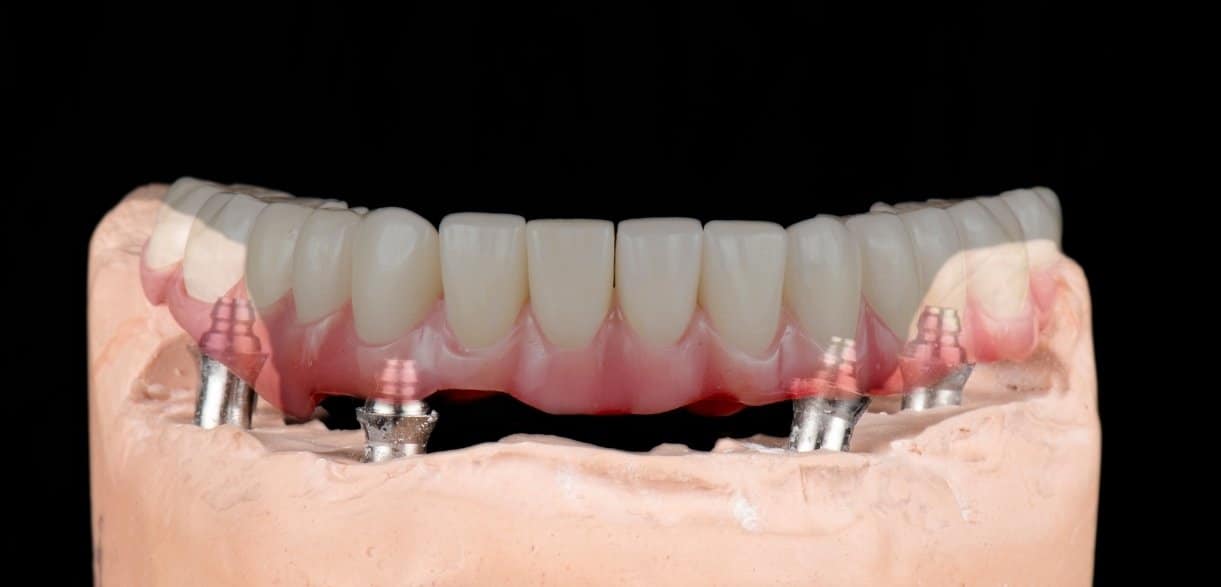
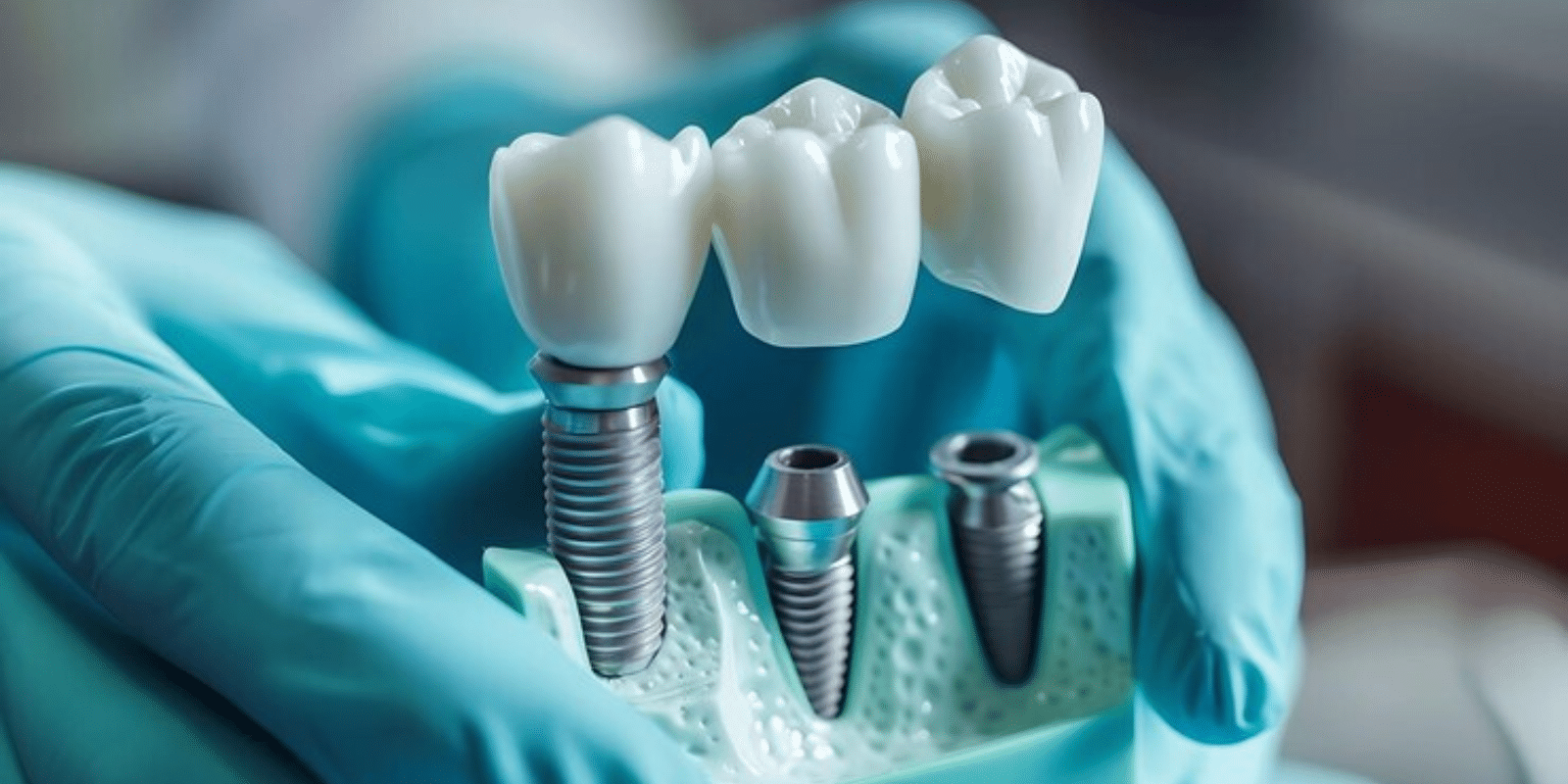
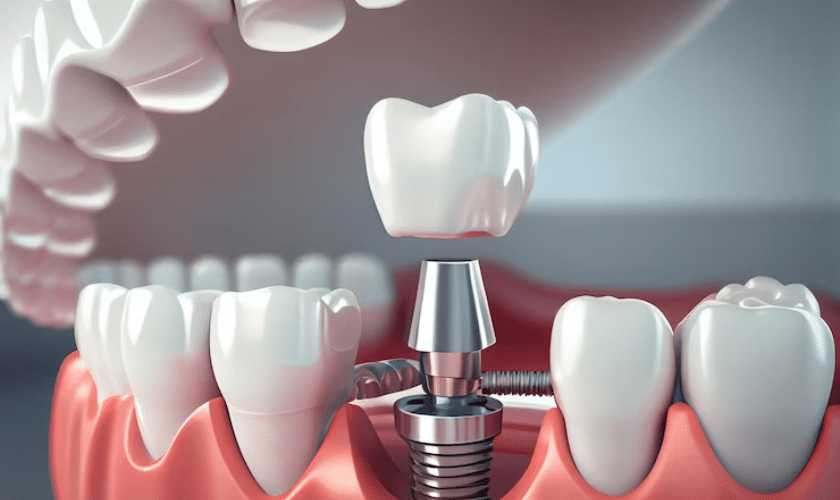
Dental implants are a modern and effective solution for replacing missing teeth. They are artificial tooth roots that are surgically placed into the jawbone to provide a stable foundation for replacement teeth.
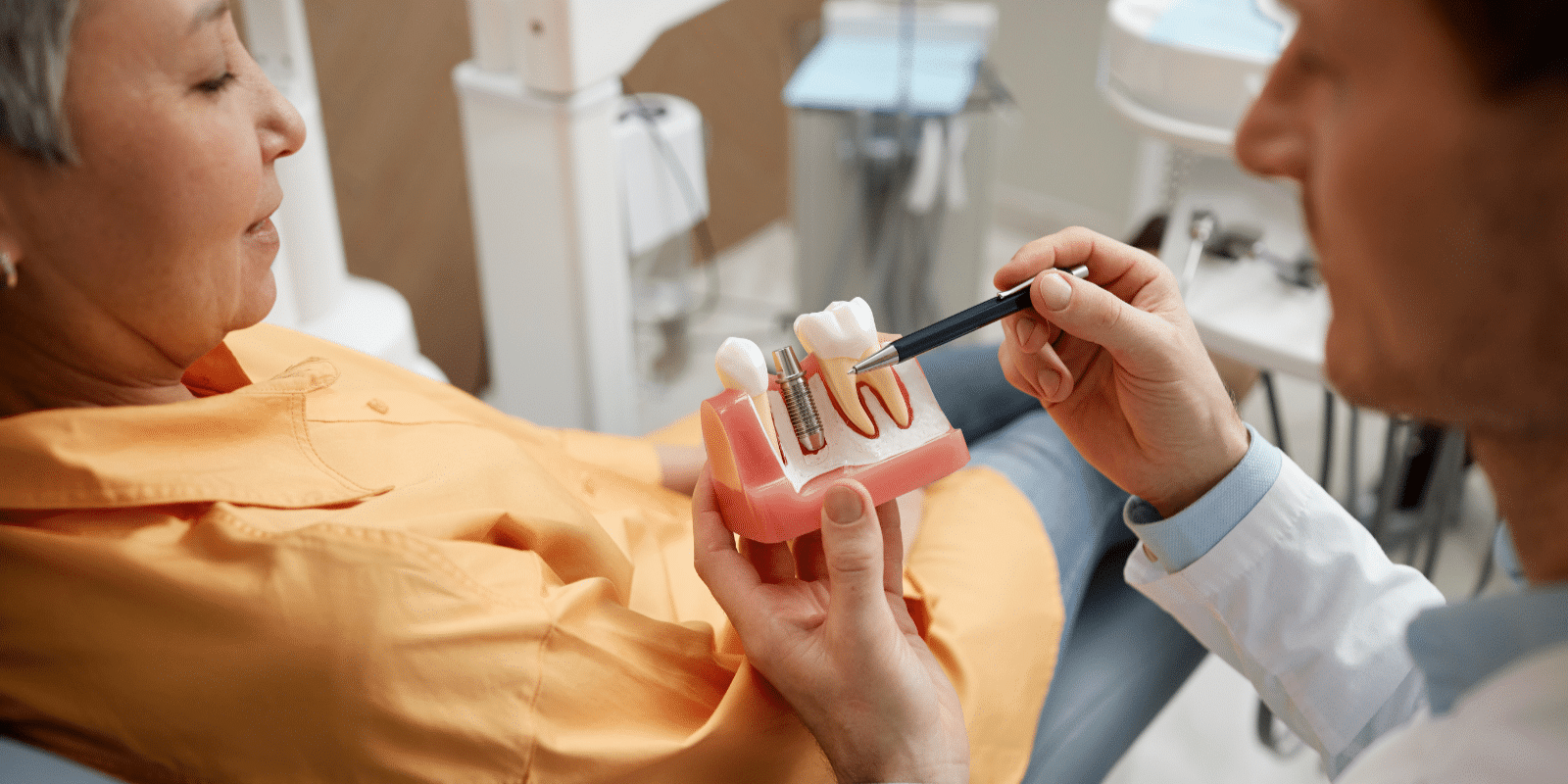
The process begins with a thorough examination of the patient’s mouth, including X-rays and impressions. This helps the dentist determine if dental implants are suitable for the individual.
During surgery, the dentist will make an incision in the gum to expose the bone. Then, small holes are drilled into the jawbone where the implants will be placed. The implants are carefully inserted and covered with temporary caps while they heal.
Over time, usually several months, osseointegration occurs. This is when the implant fuses with the surrounding bone, creating a strong and durable anchor for replacement teeth.
Once healing is complete, abutments or connectors are attached to each implant to support prosthetic teeth. These custom-made crowns or dentures match natural teeth in colour and shape, providing a seamless appearance.
Dental implants offer numerous benefits compared to traditional dentures or bridges. They look and feel like real teeth and can improve speech and chewing abilities. With proper care, they can last a lifetime!
If you’re considering dental implants in Chicago as an option for tooth replacement concerns consult your dentist who specializes in this procedure!
The surgery process
The surgery process for dental implants is a crucial step towards achieving a beautiful and functional smile. Before the procedure, your dentist will carefully evaluate your oral health to determine if you are a suitable candidate for implants.
Once you have been cleared for surgery, the first step involves numbing the area with local anesthesia to ensure a comfortable experience. If necessary, sedation options may also be available to help ease any anxiety or discomfort.
Next, an incision is made in the gum tissue to expose the underlying bone where the implant will be placed. The implant itself is typically made of titanium and acts as an artificial tooth root that fuses with the jawbone over time. This process is known as osseointegration and provides a sturdy foundation for your new tooth restoration.
After placing the implant, sutures are used to close and protect the surgical site during healing. In some cases, temporary crowns or dentures may be attached immediately after surgery while waiting for permanent restorations.
Dental implant surgery typically takes about 1-2 hours per implant placement depending on individual circumstances. It’s important to note that this timeframe can vary based on factors such as the number of implants needed and any additional procedures required.
Remember, each patient’s journey is unique so it’s essential to consult with your dentist who can provide personalized guidance throughout every step of the surgery process.
Recovery timeline
After undergoing dental implant surgery, it’s natural to wonder how long it will take to fully recover. While each person’s healing process may vary, there is a general timeline that can give you an idea of what to expect.
Immediately after the surgery, you may experience some discomfort and swelling in the treated area. This is normal and should subside within a few days. Over-the-counter pain medication can help manage any pain or discomfort during this initial stage.
In the first week following surgery, your gums will begin to heal, and any stitches may be removed. It’s important to follow your dentist’s instructions for oral hygiene during this time to ensure proper healing.
Within two weeks, most people are able to resume their regular activities and eat a wider variety of foods. However, it’s still essential to avoid putting excessive pressure on the implant site.
Over the next several months, osseointegration occurs – this is when the implant fuses with your jawbone. During this period, you’ll have periodic check-ups with your dentist or oral surgeon to monitor your progress.
After about three-six months post-surgery (depending on individual factors), you’ll receive a custom-made crown or bridge that will be attached securely to the implant(s). This marks the completion of your dental implant procedure.
Remember that everyone heals at their own pace and complications can arise; therefore it’s crucial not to rush through recovery but instead follow all instructions provided by your dental professional diligently.
Tips for a successful recovery
1. Follow post-operative instructions: Your dentist will provide you with specific instructions to follow after your dental implant surgery. It is crucial to adhere to these instructions carefully, as they are designed to promote proper healing and minimize complications.
2. Take prescribed medications: Your dentist may prescribe pain medication or antibiotics following the surgery. Make sure to take them as directed, even if you feel minimal discomfort. These medications help prevent infection and manage any discomfort during the recovery period.
3. Maintain good oral hygiene: While it’s important not to brush or floss directly over the surgical site immediately after surgery, it is still essential to maintain overall oral hygiene by gently brushing your teeth twice a day and using an antibacterial mouthwash recommended by your dentist.
4. Eat soft foods: In the initial days following the procedure, stick to a soft food diet that won’t put excessive pressure on the implant site. Opt for foods like mashed potatoes, yogurt, smoothies, soups, and scrambled eggs until your dentist gives you clearance for regular eating habits.
5. Avoid smoking and alcohol consumption: Smoking can significantly impede healing due to decreased blood flow in the mouth area while alcohol can interfere with medication effectiveness and increase bleeding risks post-surgery.
6. Rest and limit physical activity: Give yourself ample time to rest after dental implant surgery; avoid strenuous activities that could disrupt healing or cause injury at least for a few days following the procedure.
Remember that every individual heals differently; therefore, it’s essential not only to follow these general guidelines but also to consult closely with your dentist throughout the recovery process.
Recovering from dental implant surgery is a process that requires time, patience, and proper care. While each individual’s healing timeline may vary, it typically takes around 2-6 months for the implants to fully integrate with the jawbone.
During this recovery period, it is important to follow your dentist’s post-operative instructions closely. This includes maintaining good oral hygiene by regularly brushing and flossing your teeth, avoiding hard or chewy foods that can put stress on the implant site, and attending follow-up appointments as scheduled.
Additionally, taking steps to promote overall health can aid in the recovery process. Eating a balanced diet rich in vitamins and minerals can support healing, while avoiding smoking and excessive alcohol consumption will help prevent complications.
If you experience any unusual symptoms or have concerns about your recovery progress, do not hesitate to reach out to your dental professional for guidance and support. They are there to ensure that you have a successful outcome from your dental implant surgery.
In conclusion (without using these words), remember that although recovering from dental implant surgery takes time, the benefits of having a fully restored smile are well worth it. With proper care during the recovery phase and regular maintenance thereafter, your dental implants can last for many years – providing you with confidence in both your appearance and oral function.
So why wait? If you’re considering dental implants in Chicago, IL or anywhere else for that matter, don’t let fear hold you back! Consult with an experienced dentist who specializes in dental implants today!