
Dental implants have revolutionized the field of dentistry, providing a long-lasting solution for individuals with missing teeth. Whether you’ve recently undergone dental implant surgery or are considering it in the future, understanding how to maintain your dental implants is crucial for ensuring their longevity and your oral health. In this comprehensive guide, we’ll delve into everything you need to know about caring for your dental implants, from proper oral hygiene practices to lifestyle adjustments.
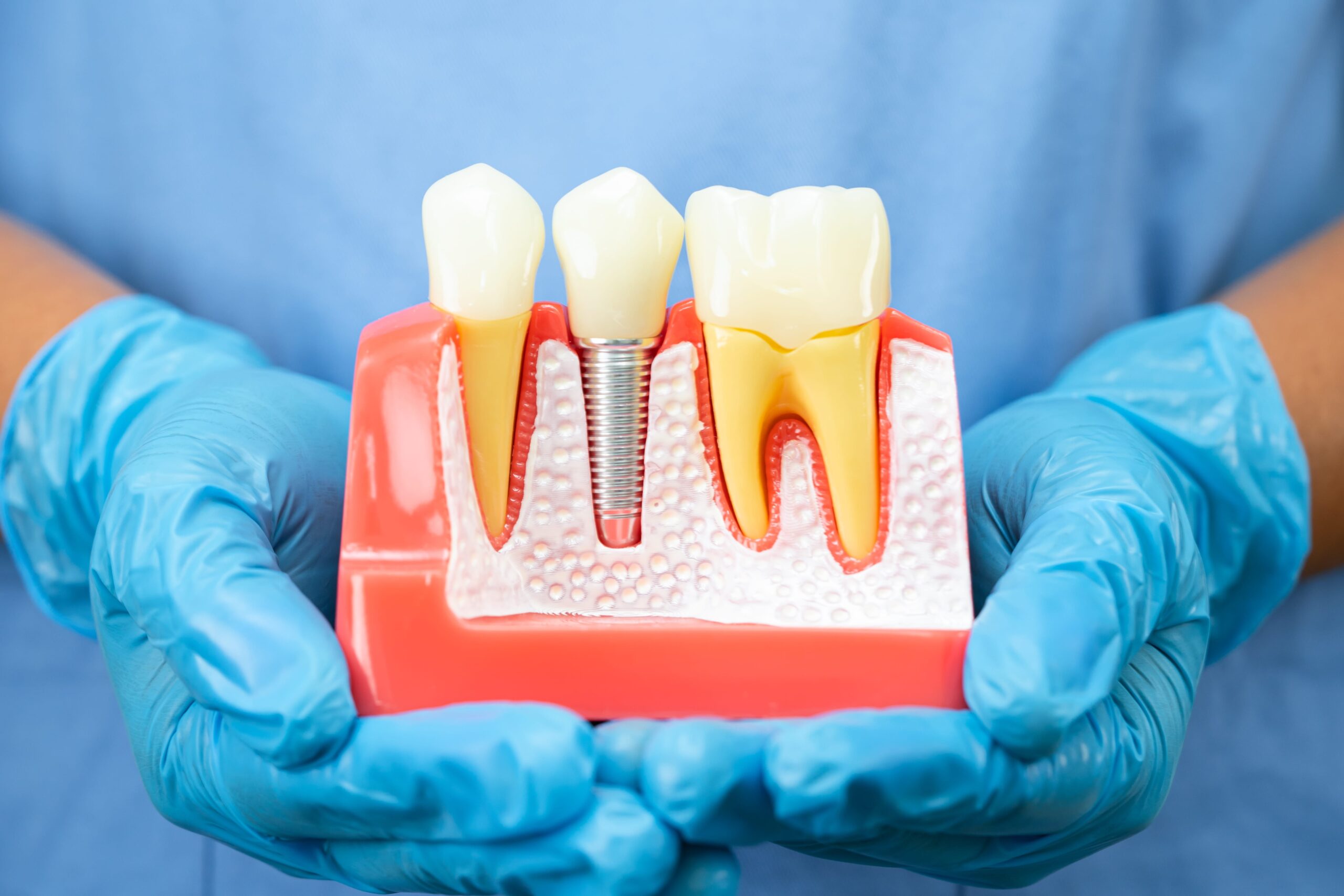
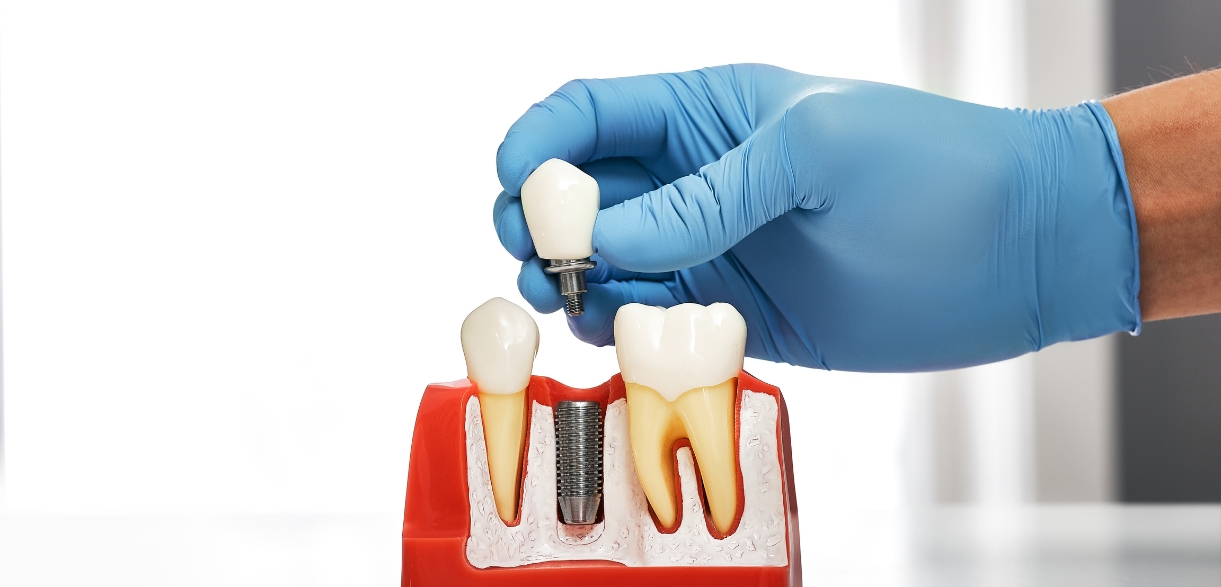
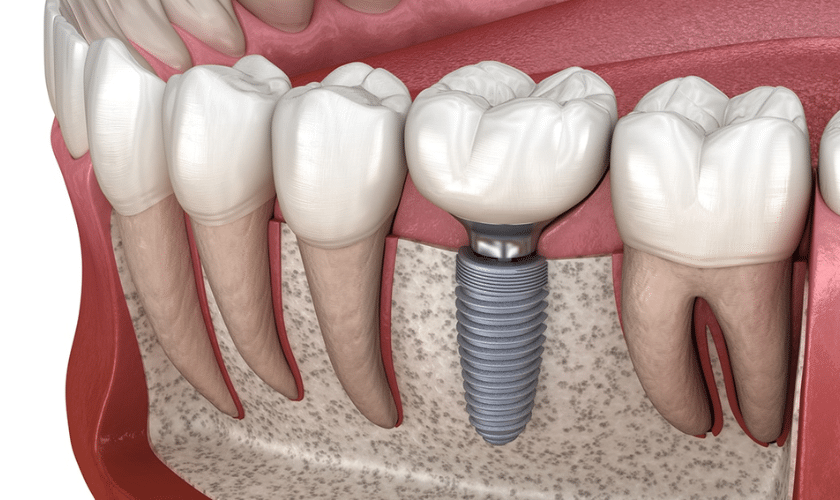
Understanding Dental Implants: Before delving into maintenance tips, let’s briefly understand what dental implants are and how they function. Dental implants are artificial tooth roots made of biocompatible materials such as titanium that are surgically placed into the jawbone to support replacement teeth, such as crowns, bridges, or dentures. Unlike traditional dentures or bridges, dental implants offer a permanent and stable solution for missing teeth, mimicking the natural structure and function of real teeth.
Importance of Maintenance: Maintaining your dental implants is essential for several reasons:
- Longevity: Proper maintenance can extend the lifespan of your dental implants, ensuring they last for many years, if not a lifetime.
- Oral Health: Good oral hygiene habits prevent complications such as gum disease and peri-implantitis, which can compromise the stability of dental implants.
- Aesthetic Appeal: Regular maintenance helps preserve the appearance of your dental implants, keeping your smile bright and natural-looking.
- Cost-Effectiveness: By taking care of your dental implants, you can avoid costly repairs or replacements down the line.
Now that we understand why maintenance is crucial let’s explore the practical steps you can take to care for your dental implants effectively:
- Oral Hygiene Practices: Maintaining proper oral hygiene is paramount for the health of your dental implants. Here are some essential practices to incorporate into your daily routine:
- Brushing: Use a soft-bristled toothbrush and non-abrasive toothpaste to brush your teeth and dental implants at least twice a day. Pay special attention to areas around the implants where plaque and bacteria can accumulate.
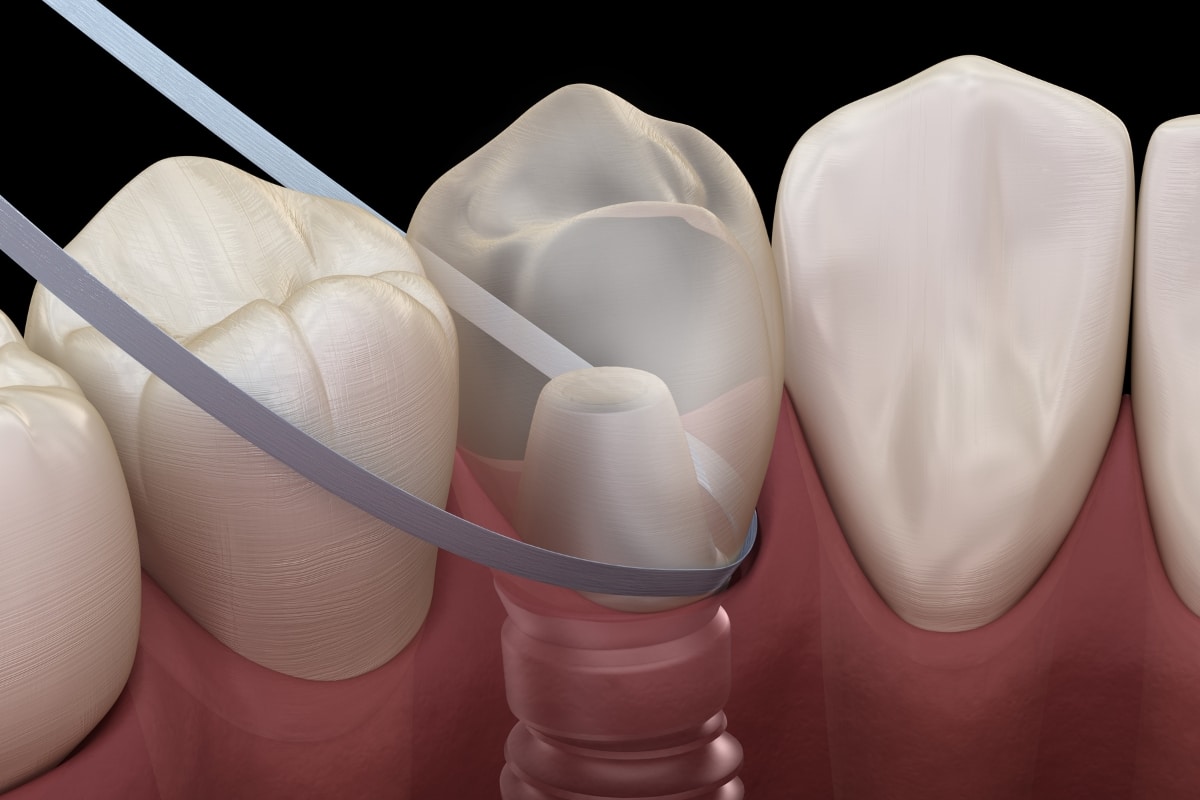
- Flossing: Flossing is essential for removing food particles and plaque from between teeth and around the base of dental implants. Use a floss threader or interdental brushes to clean hard-to-reach areas.
- Antimicrobial Mouthwash: Rinse with an antimicrobial mouthwash to reduce bacteria and promote gum health. Choose a mouthwash specifically formulated for dental implants, or ask your dentist for recommendations.
- Regular Dental Checkups: Schedule regular checkups with your dentist or periodontist for professional cleanings and examinations. These appointments allow your dental care provider to monitor the health of your implants and address any issues promptly.
- Dietary Considerations: Your diet plays a significant role in maintaining the health and longevity of your dental implants. Here are some dietary considerations to keep in mind:
- Avoid Hard or Sticky Foods: Hard and sticky foods can put excessive pressure on dental implants and may damage them over time. Avoid chewing on ice, hard candies, or sticky snacks like caramel.
- Limit Sugary Foods and Beverages: Sugary foods and drinks can contribute to plaque buildup and increase the risk of gum disease around dental implants. Limit your consumption of sugary treats and opt for healthier alternatives.
- Stay Hydrated: Drinking plenty of water helps keep your mouth hydrated and flushes away food particles and bacteria that can accumulate around dental implants.
- Lifestyle Adjustments: Certain lifestyle habits can impact the health and stability of your dental implants. Consider the following adjustments to protect your investment:
- Quit Smoking: Smoking is linked to a higher risk of implant failure and complications such as gum disease. If you smoke, consider quitting or reducing your tobacco use to improve the longevity of your dental implants.
- Avoid Teeth Grinding: Teeth grinding or bruxism can exert excessive force on dental implants, leading to damage or loosening. Wear a nightguard while sleeping to protect your implants and natural teeth from the effects of bruxism.
- Exercise Caution During Physical Activities: If you participate in contact sports or activities that pose a risk of facial trauma, wear a mouthguard to protect your dental implants from injury.
- Monitoring for Signs of Complications: Despite your best efforts, complications can still arise with dental implants. It’s essential to monitor for signs of potential issues and seek prompt treatment if necessary. Common signs of implant problems include:
- Persistent pain or discomfort around dental implants
- Swelling, redness, or bleeding of the gums
- Loosening or movement of dental implants
- Pus or discharge around the implant site
- Changes in the fit or stability of implant-supported restorations
If you experience any of these symptoms, contact your dentist or periodontist immediately for evaluation and treatment.
Conclusion: Proper maintenance is key to ensuring the success and longevity of your dental implants. By incorporating good oral hygiene practices, dietary considerations, lifestyle adjustments, and vigilant monitoring, you can protect your investment and enjoy a healthy, beautiful smile for years to come. Remember to work closely with your dental care provider to develop a personalized maintenance plan tailored to your specific needs and circumstances. With the right care and attention, your dental implants can provide a lifetime of confidence and functionality.