
Congratulations, you have just received dental implants and can now confidently smile! Dental implants are a great investment in oral health, but like any investment, they require proper maintenance to keep them healthy and beautiful. In this blog post, we’ll discuss the essential steps for dental implant maintenance so that you can maintain your new teeth for years to come. So please sit back, and let’s dive into some tips on how to keep those pearly whites shining bright!
What are Dental Implants?
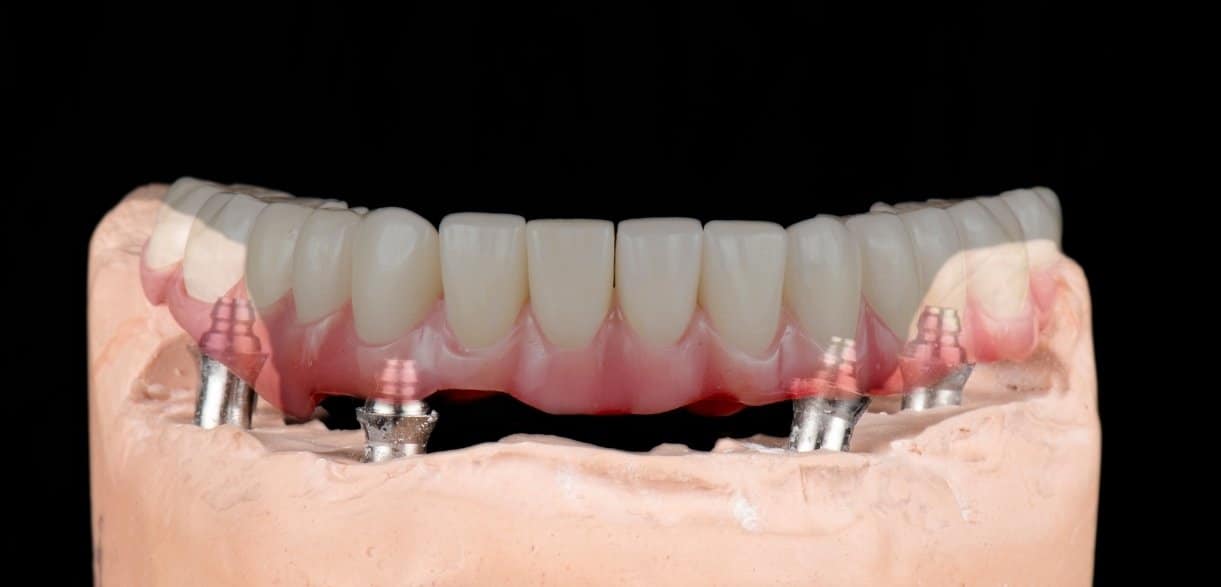
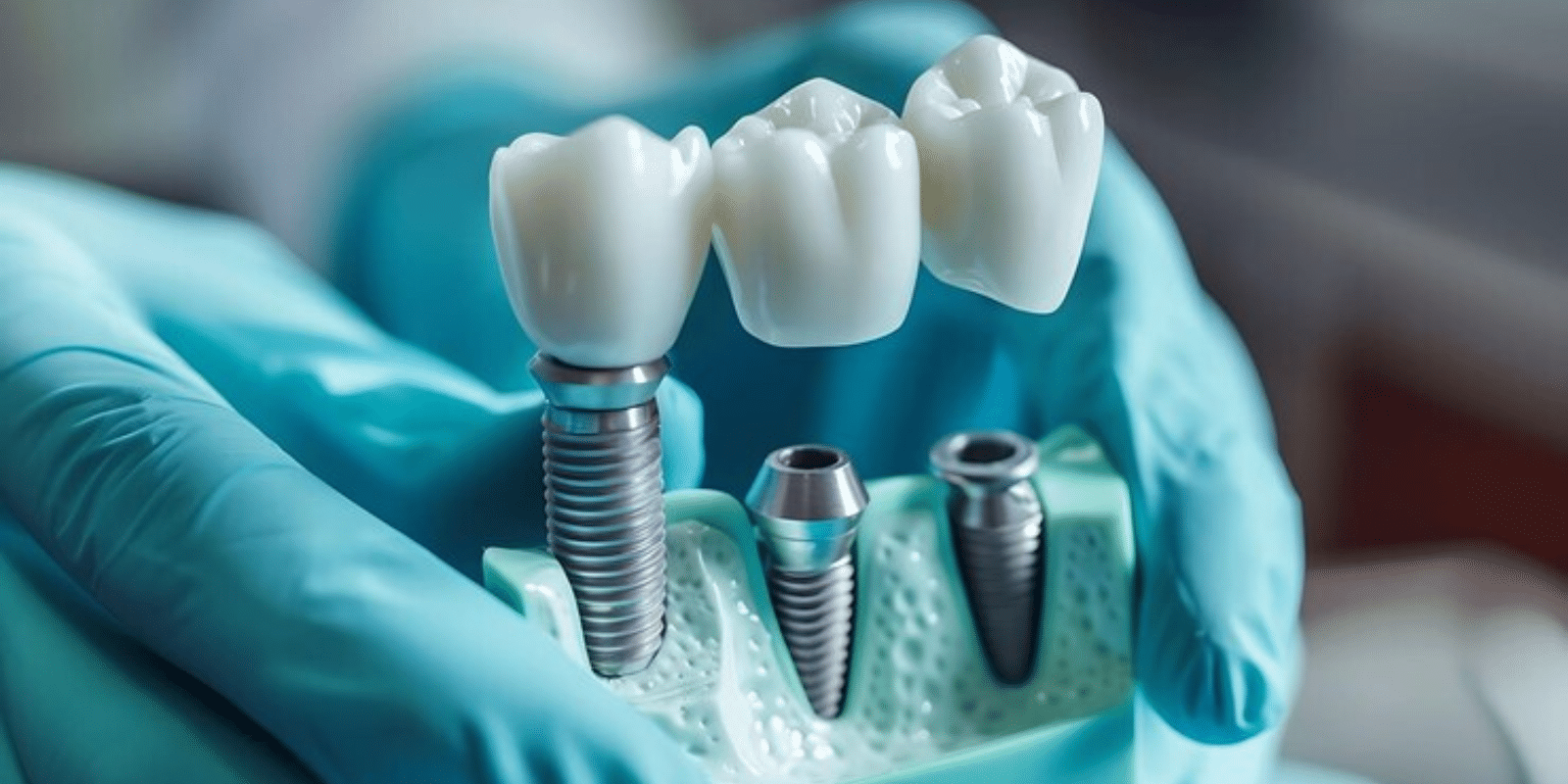
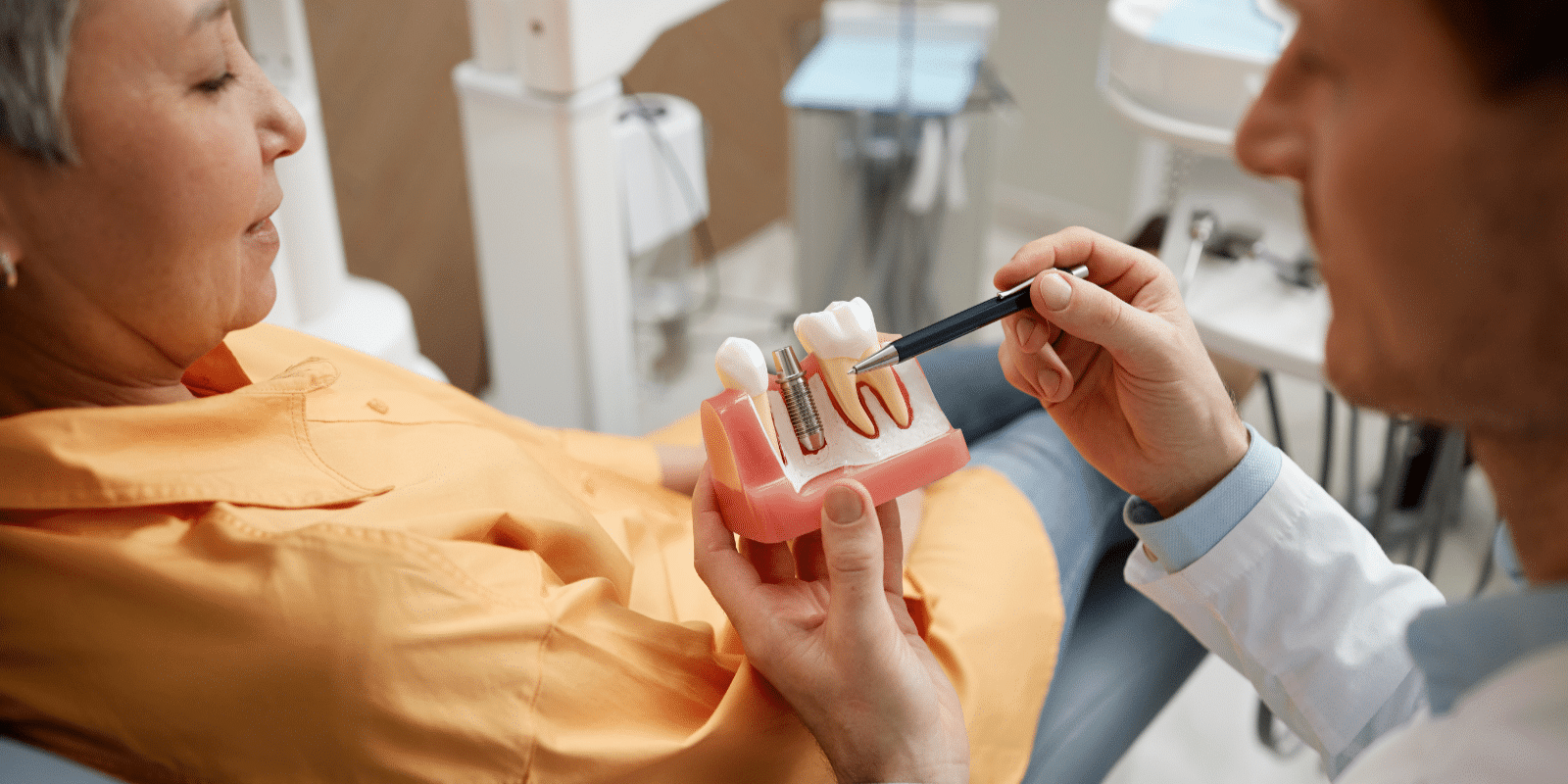
Dental implants are a type of artificial tooth that is inserted into the jawbone. The implant is usually made from titanium and has an integrated abutment, or anchoring mechanism, which helps it to hold onto the surrounding bone. Over time, the implant will gradually dissolve and may need to be replaced.
There are a few things you can do to help maintain your dental implants:
- Regularly clean your teeth and gums: Clean your teeth and gums with a mild soap and water solution twice a day. It will help remove bacteria and plaque buildup that can lead to cavities.
- Clean your teeth and gums with a mild soap and water solution twice daily. It will help remove bacteria and plaque buildup that can lead to cavities. Avoid smoking: Smoking can damage your teeth and increase your risk of developing oral cancer.
- Smoking can damage your teeth and increase your risk of developing oral cancer. Instead, eat healthy foods: Eating healthy foods will help improve your oral health. Still, it’s especially important for people with dental implants since unhealthy eating habits can affect the integrity of the implant materials. Include plenty of fruits, vegetables, whole grains, nuts, legumes, low-fat dairy products, fish, and poultry.
- Eating healthy foods will help improve your oral health in general. Still, it’s especially important for people with dental implants since unhealthy eating habits can affect the integrity of the implant materials. Include plenty of fruits in your diet.
Types of Dental Implants
There are many types of dental implants. There are a set of benefits and drawbacks of Implants. Here’s a look at the four main types:
1. Full Denture Implants: These are the most common type of dental implant, consisting of a metal stem inserted into the jawbone. The stem can be made from either titanium or stainless steel, and it holds the implant in place by screwing it into the jawbone. Full dentures have two main advantages: they’re easier to wear and usually look more natural than other types of implants. However, they also have some disadvantages. First, they can be more difficult to replace if something goes wrong, and second, they may not last as long as other types of implants.
2. Partial Denture Implants: Partial dentures replace only part of a person’s teeth – one or two on either side of the mouth. This type of implant consists of a metal post inserted directly into the jawbone behind those missing teeth. The post is secured using screws or pins, providing stability for partial dentures while allowing you to chew normally. Partial dentures are less expensive than full dentures, but they also require more maintenance – specifically by removing any food particles that get stuck on the post.
3. Denture Bridges: A denture bridge is a type of implant that replaces both your upper and lower teeth at once.
How are Dental Implants Maintained?
One of the best ways to keep your dental implant healthy and beautiful is to have regular checkups with your dentist. Dental implants are a long-term investment, so it’s important to ensure they stay in good condition over time. Here are some common problems and how to prevent them:
1. Problems with the implant itself: If you notice any changes in the colour, shape, or feel of your implant, be sure to bring it to your attention right away. It could mean that there’s something wrong with the implant itself, and you need to get it fixed as soon as possible.
2. Damage caused by oral hygiene products: Be especially careful when using toothpaste and toothbrushes on your implants. These products can cause damage if they get into the implant canal and onto the surrounding teeth. Try using a soft brush and gentle soap instead.
3. Brittle teeth: If your teeth are brittle or breaking easily, this could be a sign that they’re not getting enough calcium intake, which could also lead to problems with dental implants. Ensure you’re getting enough vitamin D from sunlight or supplements, and eat a balanced diet that includes plenty of calcium-rich foods like milk products, cheese, yoghurt, and almonds.
4. Teeth grinding: Grinding your teeth can wear down dental implants over time – especially if you do it frequently in areas near the implant sites.
What to Expect When Getting a New Dental Implant
If you are considering getting a dental implant, there are a few things to expect when it comes to maintenance. The most important thing is to keep your implant clean and free of plaque and bacteria. If needed, brush your teeth twice daily with fluoride toothpaste and use an antibacterial mouthwash. In addition, it would help to visit your dentist every six months for a checkup and cleanings. If you have any questions about maintaining your implant, ask your dentist.
After the Installation: Tips for Maintaining Your New Teeth
Once your dental implant is in, it’s important to maintain it to last as long as possible. Here are some tips for maintaining your new teeth:
- Brush and floss regularly. It is especially important to have a removable prosthesis like a denture or partial denture. It is because the plaque and other food particles on your teeth can accumulate over time and damage the implant.
- It is especially important to have a removable prosthesis like a denture or partial denture. It is because the plaque and other food particles on your teeth can accumulate over time and damage the implant. Also, avoid excessive drinking and eating. Too much drinking or eating can cause bacteria to form on your teeth, leading to decay.
- Too much drinking or eating can cause bacteria to form on your teeth, leading to decay. Don’t smoke. Smoking can increase the risk of tooth decay and loss by up to 50%.
- Smoking can increase the risk of tooth decay and loss by up to 50%. Be sure to visit your dentist or dental specialist every six months for a checkup. At this time, they can remove any built-up plaque or calculus (hardened plaque) from around the implant, clean the area around the implant with an antimicrobial agent, check for any signs of infection, and adjust any dental implants as needed.
It can be daunting when you first get dental implants, but with a little effort, they can last a lifetime and look great while doing it! Here are some tips to help keep your dental implant healthy and beautiful:
- Weigh yourself every day. If you notice any weight or body composition changes, contact our office immediately. We want to ensure you get the best care for your new teeth!
- Brush and floss daily. Not only will this help keep your gums healthy, but it will also remove any plaque or food that may have built up around the implant site.
- Avoid eating high-sugar foods and drink plenty of water. These items can lead to tooth decay and inflammation, damaging the surrounding bone and tissue around the implant.