
What Are Dental Implant ?
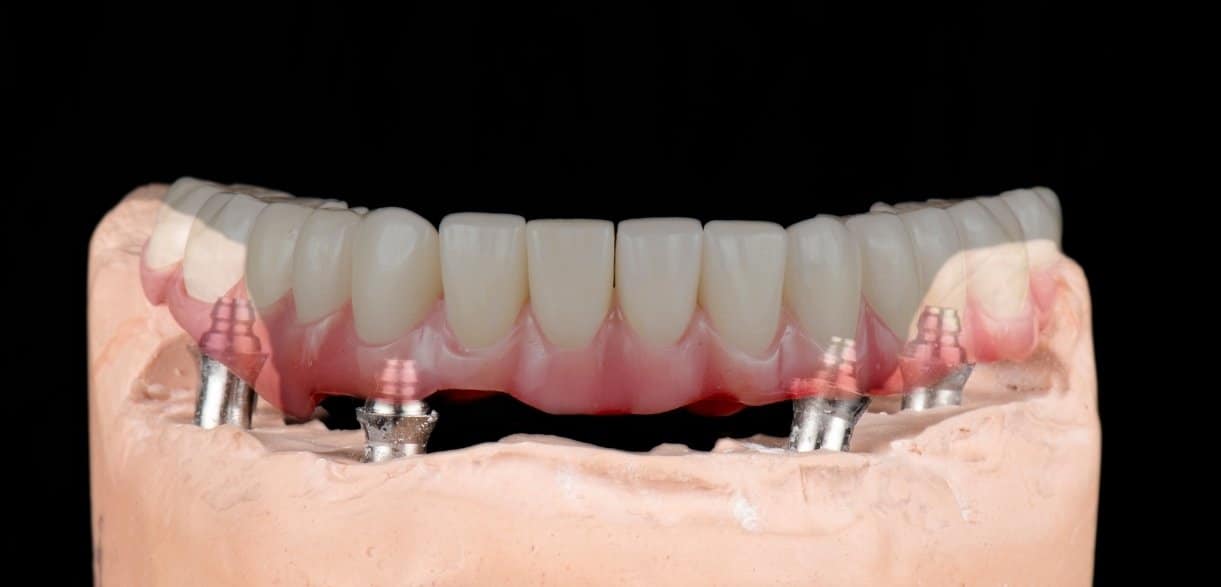
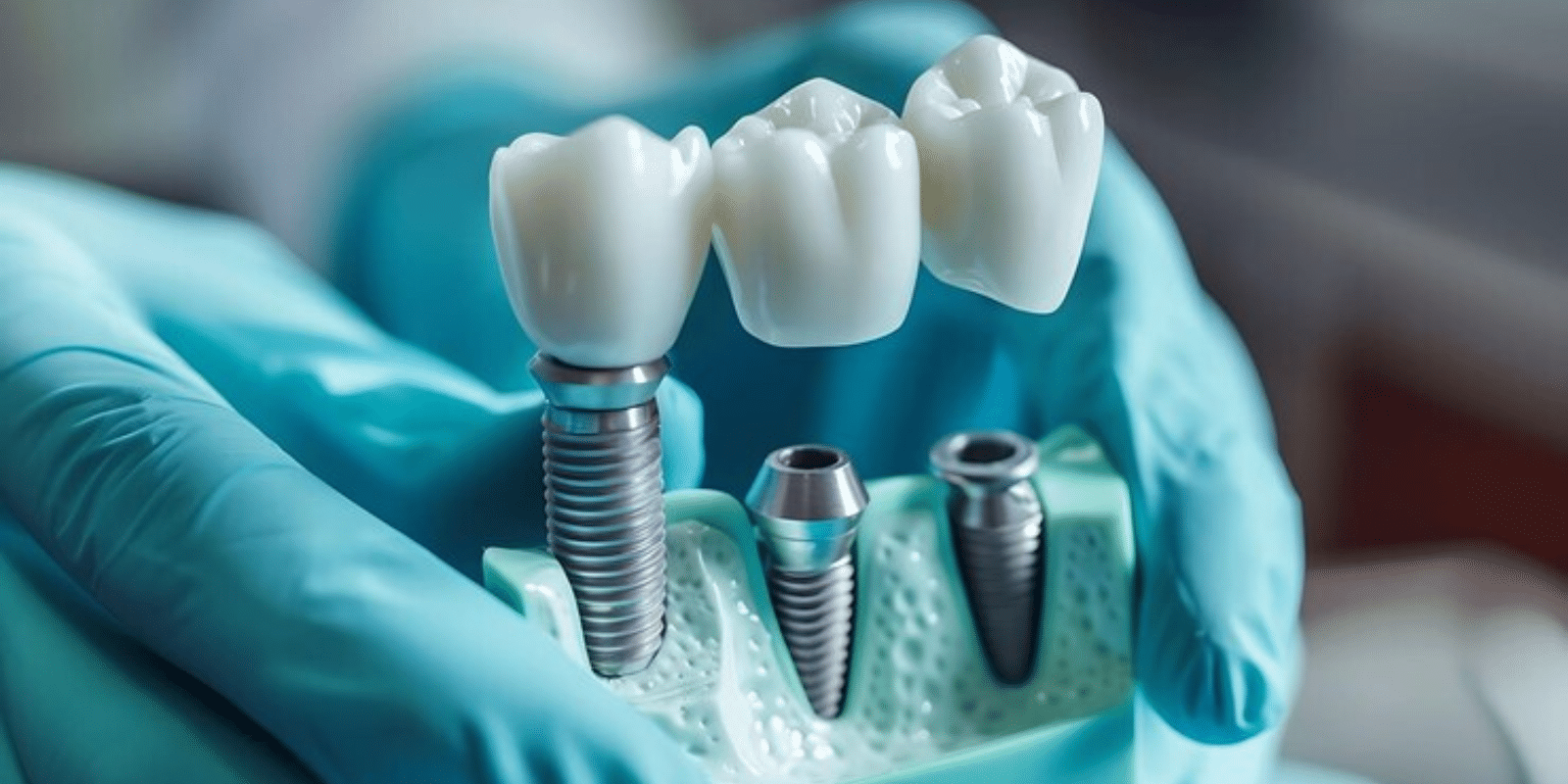
Dental implants are artificial tooth roots that are surgically placed into the jawbone to replace missing teeth. They are a long-term solution for restoring the function and aesthetics of a natural smile. Dental implants are made of titanium and are designed to fuse with the bone, creating a strong and durable foundation for a replacement tooth. They can be used to replace a single tooth or multiple teeth, and they can also be used to support a dental bridge or denture. Dental implants are a popular choice for tooth replacement because they look and feel like natural teeth and can last a lifetime with proper care.
Benefits of dental implants include:
– Improved appearance: Dental implants look and feel just like your natural teeth.
– Improved speech: With dental implants, you won’t have to worry about your teeth slipping or moving when you talk. This can improve your speech.
– Improved comfort: Dental implants eliminate the discomfort of wearing dentures. They also don’t require special cleaning solutions or adhesives.
– Easier eating: Dental implants function just like your natural teeth, so you can eat all of your favorite foods with ease.
– Increased self-esteem: Dental implants can give you back your smile and help you feel good about yourself again.
Types of Dental Implants
- Dental implants are a popular and effective solution for missing teeth. There are many different types of dental implants, each with its own benefits and drawbacks.
- The most common type of dental implant is the endosteal implant. This type of implant is placed directly into the jawbone. Endosteal implants are the strongest and most durable type of dental implant, but they require a longer recovery time than other types of implants.
- Another common type of dental implant is the subperiosteal implant. This type of implant is placed under the gum tissue but above the jawbone. Subperiosteal implants are less invasive than endosteal implants and have a shorter recovery time, but they are not as strong or durable as endosteal implants.
- The last type of dental implant is the transosseous implant. This type of implant is placed through the gum tissue and into the jawbone. Transosseous implants are the least invasive type of dental implant, but they have a longer recovery time than other types of implants.
How to Prepare for a Dental Implant Procedure
Dental implants are a popular solution for missing teeth and with good reason. They are strong, durable, and look just like your natural teeth. If you’re considering dental implants, there are a few things you should know about the procedure.
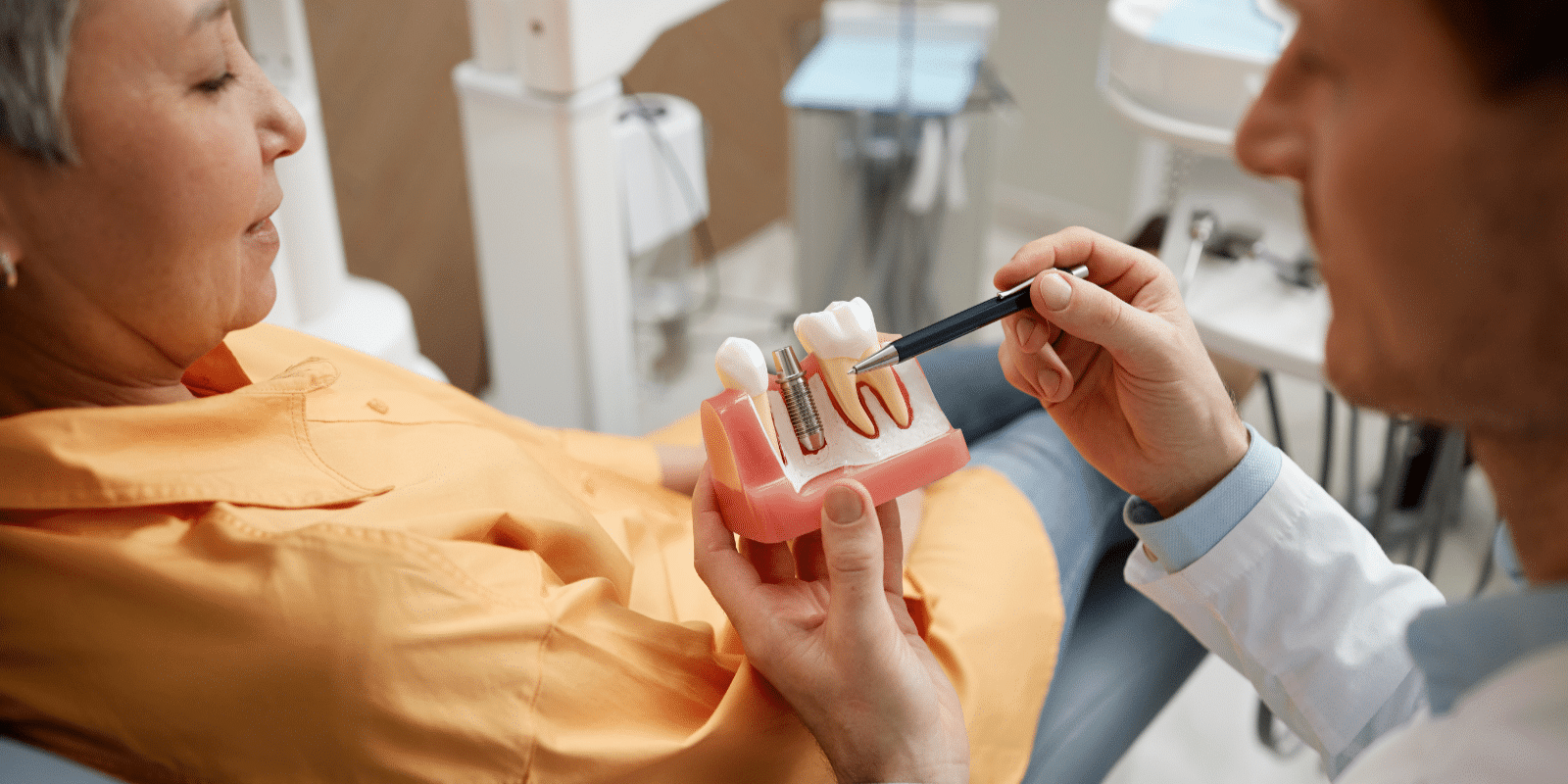
- First, you’ll need to meet with a dentist or oral surgeon to see if you’re a good candidate for dental implants. This is because not everyone’s jawbone is strong enough to support an implant. If your jawbone is too weak, you may need to undergo a bone graft before getting an implant.
- Once it’s determined that you’re a good candidate for dental implants, the next step is to have the implant placed. This is typically done under local anesthesia, so you won’t feel any pain during the procedure. During surgery, a small metal post will be placed into your jawbone where your tooth is missing. Once the post has healed and bonded with your jawbone (this can take several months), then the artificial tooth (or teeth) can be attached to the post.
- After your dental implant surgery, it’s important to take care of your mouth and avoid any habits that could damage the implants (such as smoking or chewing on hard objects). With proper care, dental implants can last a lifetime!
Aftercare Tips for Maintaining Your New Teeth
If you’ve recently had dental implants placed, congratulations! You’ve made a great decision that will improve your smile and your oral health. Now that your new teeth are in place, it’s important to take care of them so they last for many years to come. Here are some aftercare tips for maintaining your new teeth:
1. Brush and floss regularly: Just like your natural teeth, your dental implants need to be brushed twice a day and flossed once a day. Be sure to use a soft-bristled toothbrush and gentle strokes when brushing around your implants.
2. Avoid hard foods: Your dental implants are strong, but they can be damaged by hard foods like nuts or candy. So, be sure to cut up hard foods into small pieces before eating them.
3. Quit smoking: Smoking is bad for your overall health, but it’s especially harmful to dental implants. That’s because smoking increases the risk of implant failure and infection. If you smoke, quitting is the best thing you can do for your new teeth.
4. See your dentist regularly: It’s important to see your dentist at least once a year for a cleaning and checkup. During these appointments, your dentist will check on the health of your implants and make sure they are still securely in place
Conclusion
Dental implants are fast becoming the go-to solution for people who have lost teeth or need to replace one or more of their natural teeth. With advances in dental technology and materials, dental implants can now provide patients with a safe, reliable and long lasting solution to missing teeth that looks and feels just like natural teeth. There are several types of dental implants available so it is important to discuss your options with your dentist in order to find the best solution for you. With proper care, these modern solutions can provide you with years of improved oral health and confidence.